
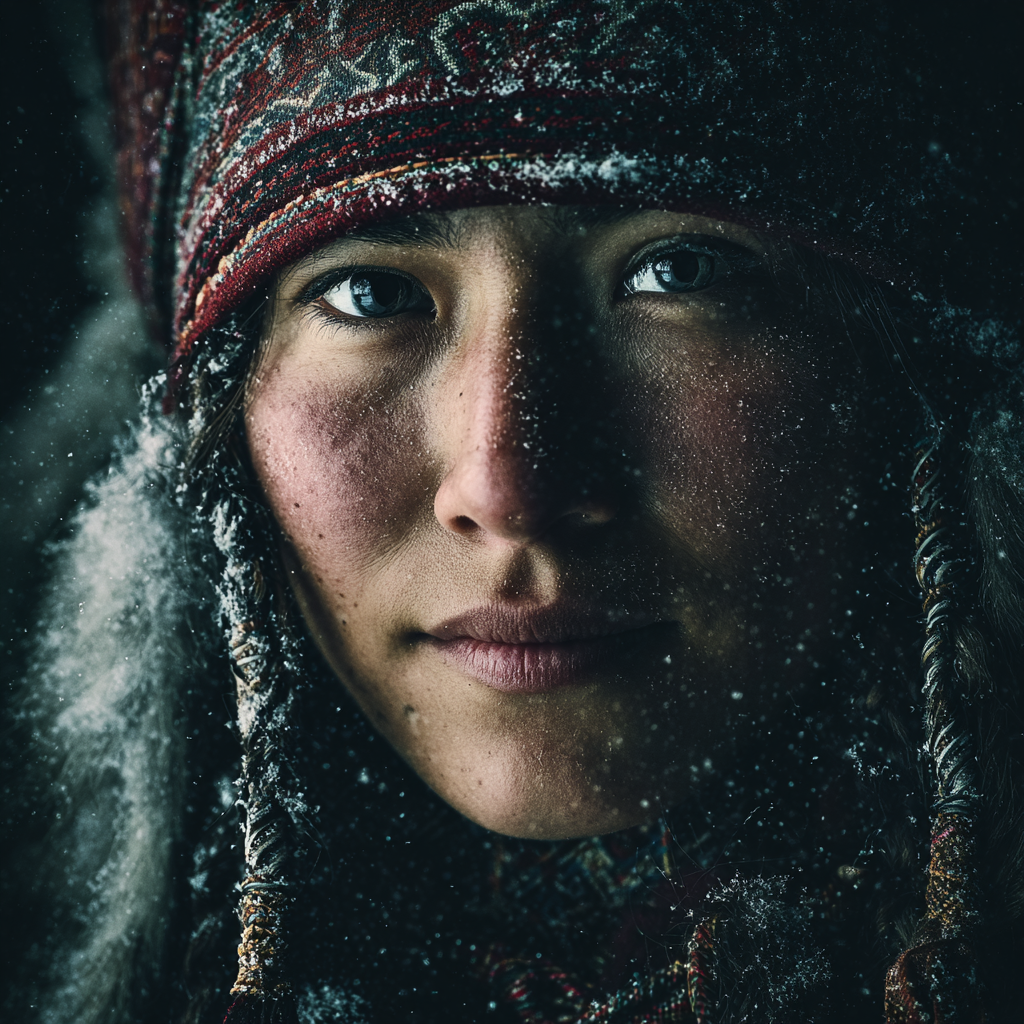
Sámi People are one of the most important cultural threads running through northern Norway, yet many travelers arrive focused mainly on landscapes, Arctic light, and remote roads. A deeper journey through the region begins with understanding Sápmi — the ancestral homeland of the Sámi across northern Norway, Sweden, Finland, and Russia — and the traditions shaped by land, migration, storytelling, craft, and survival in a demanding climate.
A strong journey through the north becomes far more meaningful when it includes that cultural layer. Learning about Sámi life is not about treating tradition like a museum display or a tourist extra. It is about understanding how identity, memory, language, and seasonal rhythms still shape the region today. From reindeer herding and duodji handicrafts to yoik singing and community festivals, Sámi culture offers one of the most distinctive and important cultural experiences in Northern Europe.
Related: Unveiling Norway’s Viking Past
A People of the North: Origins and Identity
The Sámi have inhabited northern Scandinavia for thousands of years, long before modern borders divided the region. Their identity is rooted not in nations but in land — forests, tundras, fjords, and endless winter skies that guide their seasonal migrations. Unlike many Indigenous cultures whose traditions were largely absorbed into empires, the Sámi maintained their lifeways despite pressures from Nordic states. Today, they represent linguistic, cultural, and regional diversity: North Sámi, South Sámi, Skolt Sámi, Inari Sámi, and more — each with its own dialects, stories, and artistic forms.

But Sámi identity is not defined solely by history. It is deeply modern, resilient, and evolving. Traditional reindeer herding coexists with contemporary art, fashion, film, and political movements. Sámi youth speak their ancestral languages on TikTok, perform yoiks on festival stages, and create modern designs inspired by ancient patterns. Sámi culture thrives because it adapts — without losing its roots.
The Yoik: A Song Older Than Time
Among the most mesmerizing elements of Sámi culture is the yoik, one of Europe’s oldest continuous musical traditions. A yoik is not “about” something — it is that thing. A person, an animal, a mountain, a memory. When a Sámi sings a yoik for someone, they are expressing the essence of that being, not describing it.
Its melodies are circular, hypnotic, often built on chants, breath, vibrato, and vocal ornamentation that mirror the natural rhythms of wind and water.

Sitting in a lavvu (traditional tent) as a yoik rises from the firelight is unforgettable. The singer might close their eyes, swaying gently, while the melody emerges like a living creature. Sometimes it is soft and haunting; other times wild and energetic. Many Sámi say the yoik chooses the moment — it is sung when the spirit calls for it.
Modern artists have fused yoik with electronic music and rock, bringing Sámi soundscapes to global audiences while preserving the emotion and purpose behind the tradition.
Life on the Tundra: Reindeer Herding as Culture and Identity
Reindeer herding is not just an occupation — it is a worldview. The rhythm of Sámi life has followed the migrations of reindeer herds for centuries. Families move with the seasons: from winter grazing lands deep in the forest to summer pastures near the mountains and coast. Every aspect of reindeer herding reflects skill, patience, and deep environmental knowledge.
Sámi herders understand snow like a language — its hardness, layers, smell, sound. They can read winds, recognize tracks, sense storms, and navigate routes passed down through generations.
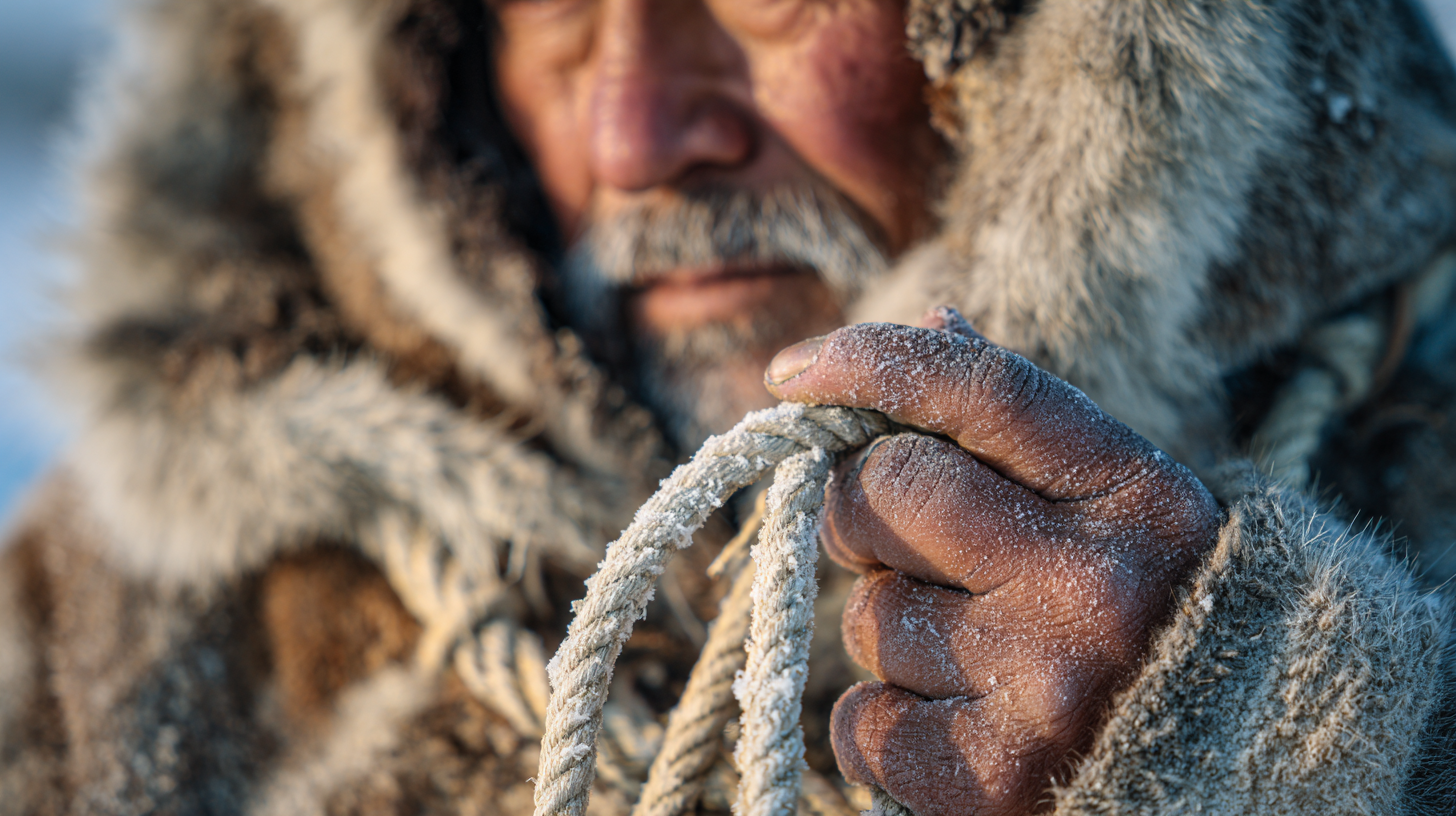
Visitors to reindeer camps witness a lifestyle that feels timeless. Fresh snow crunches under sled runners, dogs bark in excitement, and reindeer bells chime softly as the herd shifts. Herders work with rope lassos, wooden sleds, and snowmobiles — blending old techniques with modern tools.
The reindeer provide food, clothing, transport, and materials for handicrafts. Traditionally, every part of the animal was used, reflecting a philosophy of gratitude and balance. Even today, reindeer bind the Sámi to land, community, and ancestral tradition.
Duodji: The Sámi Art of Craftsmanship and Memory
Sámi handicrafts — known as duodji — are among the most meaningful cultural expressions in the Arctic. These are not decorative items; they are functional works of art infused with knowledge and symbolism. Crafted from natural materials like reindeer antler, birch root, leather, tin thread, and bone, duodji reflects a lifestyle where creativity and practicality merge gracefully.
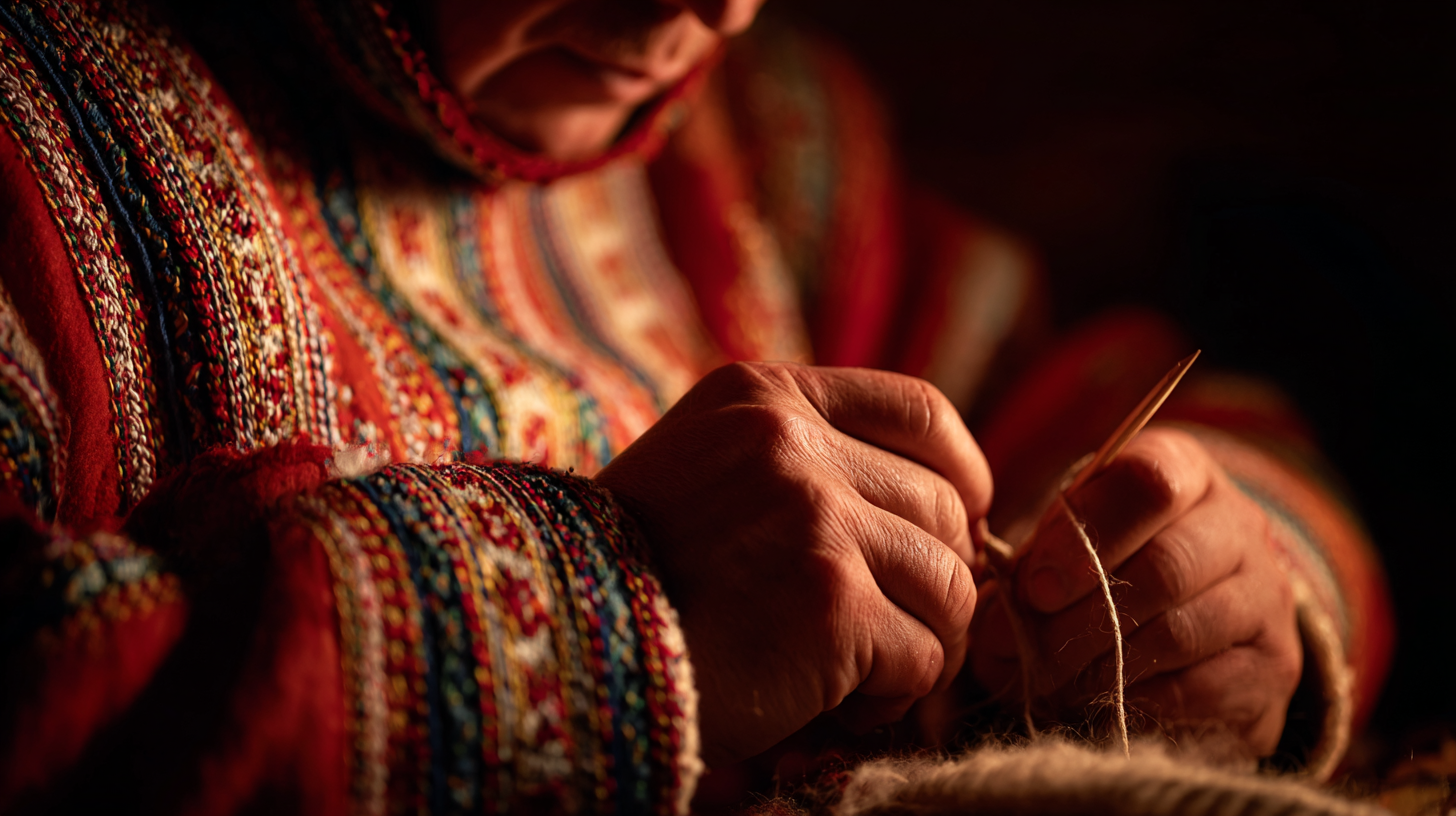
Carved knives with patterned sheaths, wooden cups called guksi, embroidered belts, silver brooches, and handsewn clothing tell stories of family, region, and skill. Each piece is shaped patiently — stitched, carved, polished — often over weeks. The designs are geometric, rhythmic, and rooted in nature.
To purchase duodji from a Sámi artisan is to bring home a fragment of Arctic heritage. But more importantly, it supports a cultural practice threatened by mass production and cultural appropriation. Authentic duodji is alive because people continue to pass the craft from generation to generation.
Traditional Clothing: Colors of the Arctic
Nothing symbolizes Sámi identity quite like their traditional clothing, gákti. Its bright colors — deep blue, red, green, and gold — stand out brilliantly against winter snow. But gákti is more than ceremonial attire; it is a cultural map.
The patterns, colors, and accessories tell where a person is from, their family line, whether they are married or single, and even their social role within the community.

A North Sámi gákti differs dramatically from a South Sámi one. Clothing from Kautokeino is distinct from Karasjok. Women’s hats and men’s belts each have meanings shaped by centuries of tradition. Silver jewelry protects against misfortune, fringes symbolize life’s pathways, and tin thread embroidery shines like ice under northern light.
Watching a festival where hundreds of Sámi wear gákti is like witnessing a living rainbow dancing across snow — a celebration of identity, pride, and color in a land of winter white.
The Lavvu: A Home Built from Wind and Fire
The lavvu, the traditional Sámi tent, represents the heart of nomadic life. Designed for endurance, stability, and warmth, it resembles a tipi but differs in structure and purpose. Built from wooden poles and covered with fabric or hides, the lavvu withstands storms and Arctic winds with surprising grace.
Inside, the smell of woodsmoke lingers, reindeer skins soften the floor, and a fire crackles at the center, creating a warm, communal space in the frozen wilderness.
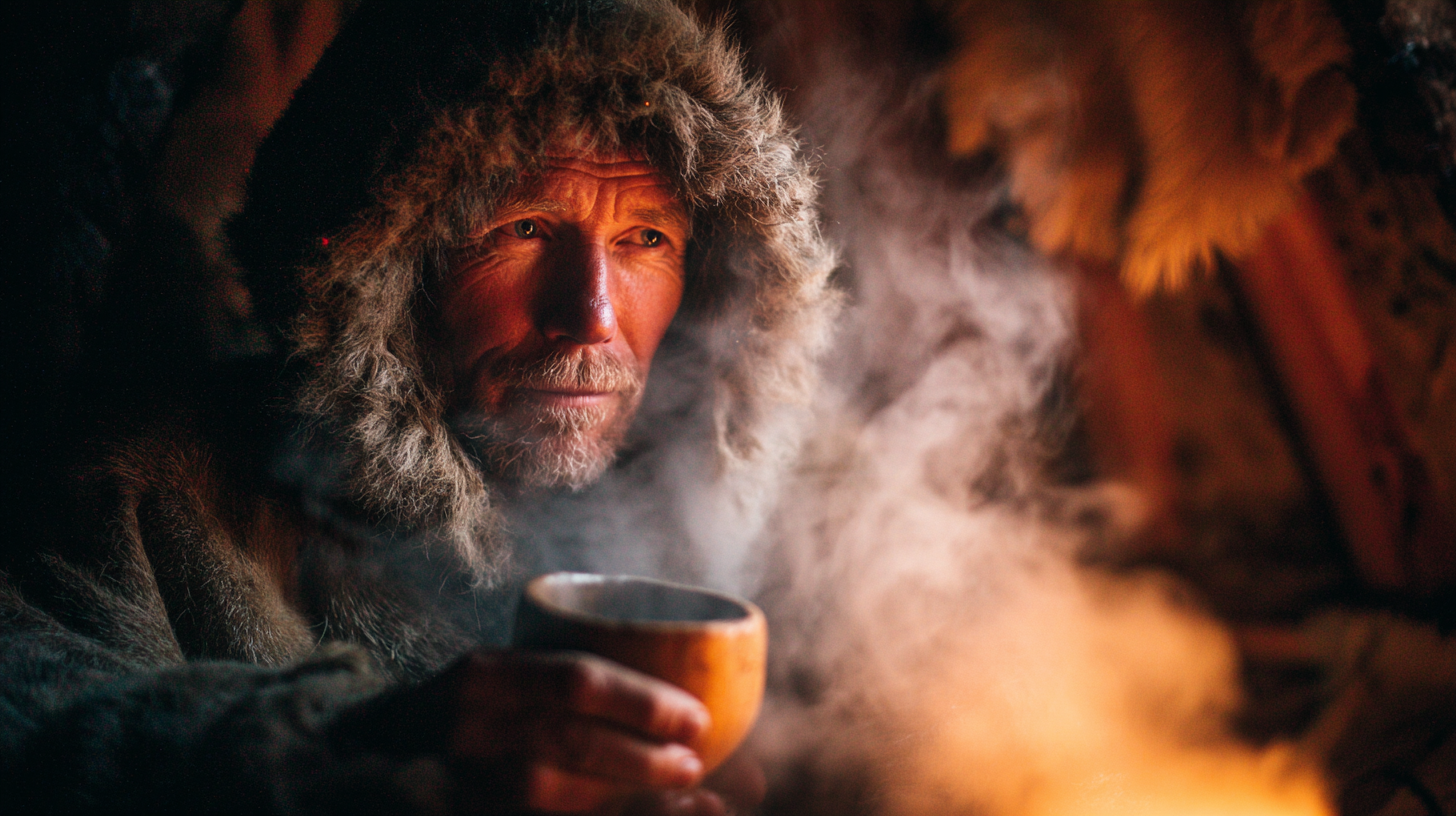
Visitors who step inside a lavvu often describe an immediate sense of calm. Stories are shared, coffee boils over the fire, yoik melodies fill the air, and the northern lights shimmer outside like green flames in the sky. The lavvu is more than a shelter — it is a place where Sámi history, spirituality, and daily life converge.
Even modern herders keep lavvus during migrations, honoring a structure that has served their people for countless generations.
Sámi Language: A Voice Carved from Ice and Wind
The Sámi languages — there are at least ten distinct ones — carry knowledge that cannot be translated literally. Words describe snow in dozens of forms, reindeer behavior in astonishing detail, and emotions with poetic precision.
For decades, Sámi languages were suppressed by Scandinavian governments, and many children were forced to abandon their mother tongue. But today, language revitalization is one of the strongest cultural movements in the Arctic.

Schools, universities, radio stations, children’s books, and tech apps have revived pride and fluency. Young Sámi mix traditional speech with modern slang, proving that a language grows as long as it is used.
Hearing a Sámi grandparent speak to a child in Northern Sámi feels like listening to the land itself — tones shaped by wind, rivers, and migrating herds.
Spiritual Traditions: Between Earth, Sky, and the Reindeer Spirit
Before Christianity reached the Arctic, the Sámi practiced an animistic religion centered on nature, ancestors, and the cosmic balance between worlds. Some of these ideas survive today, woven quietly into cultural practices.
Sámi shamans — known as noaiddit — once used drums to enter trance states, seeking guidance, healing, and connection with the spirit world. Their drums, painted with symbols of animals, mountains, and celestial forces, are treasured cultural artifacts today.

Although most Sámi today are Christian, many retain a profound spiritual connection to land. Mountains, rivers, and certain stones are treated with respect, believed to hold memory and power.
This worldview emphasizes responsibility: humans must live in balance with nature, never taking more than they need. In a world facing climate change, this philosophy feels more relevant than ever.
Modern Sámi Renaissance: Art, Film, Fashion, Identity
Today, Sámi culture is experiencing a vibrant renaissance. Filmmakers, musicians, designers, and writers reinterpret their heritage with modern voices.
Sámi pop artists blend yoik with electronic beats; designers transform duodji patterns into high-fashion pieces; filmmakers explore themes of identity, land rights, and reclaiming history.
Festivals like Riddu Riđđu celebrate Indigenous culture from the Arctic and beyond, drawing visitors from all over the world.

This cultural revival is powerful because it is grounded in authenticity. Sámi youth are shaping their future without letting go of their past — a rare balance that gives their art depth, pride, and global resonance.
Conclusion
To understand the Sámi is to understand a culture built on harmony with nature, deep-rooted tradition, and extraordinary resilience. From haunting yoiks to the shimmer of tin-thread embroidery, from vast reindeer migrations to the warmth of a lavvu in winter, the Sámi bring the Arctic to life with color, movement, and meaning.
Visiting Sápmi is not just a trip — it is an invitation to witness a living culture that has endured for millennia and continues to evolve with strength and beauty. In the quiet snowfields and under the dancing northern lights, the spirit of the Sámi endures — a reminder that identity thrives when it is carried with pride, protected with courage, and shared with open hearts.
Learn more from the Sámi Parliament: https://sametinget.se