
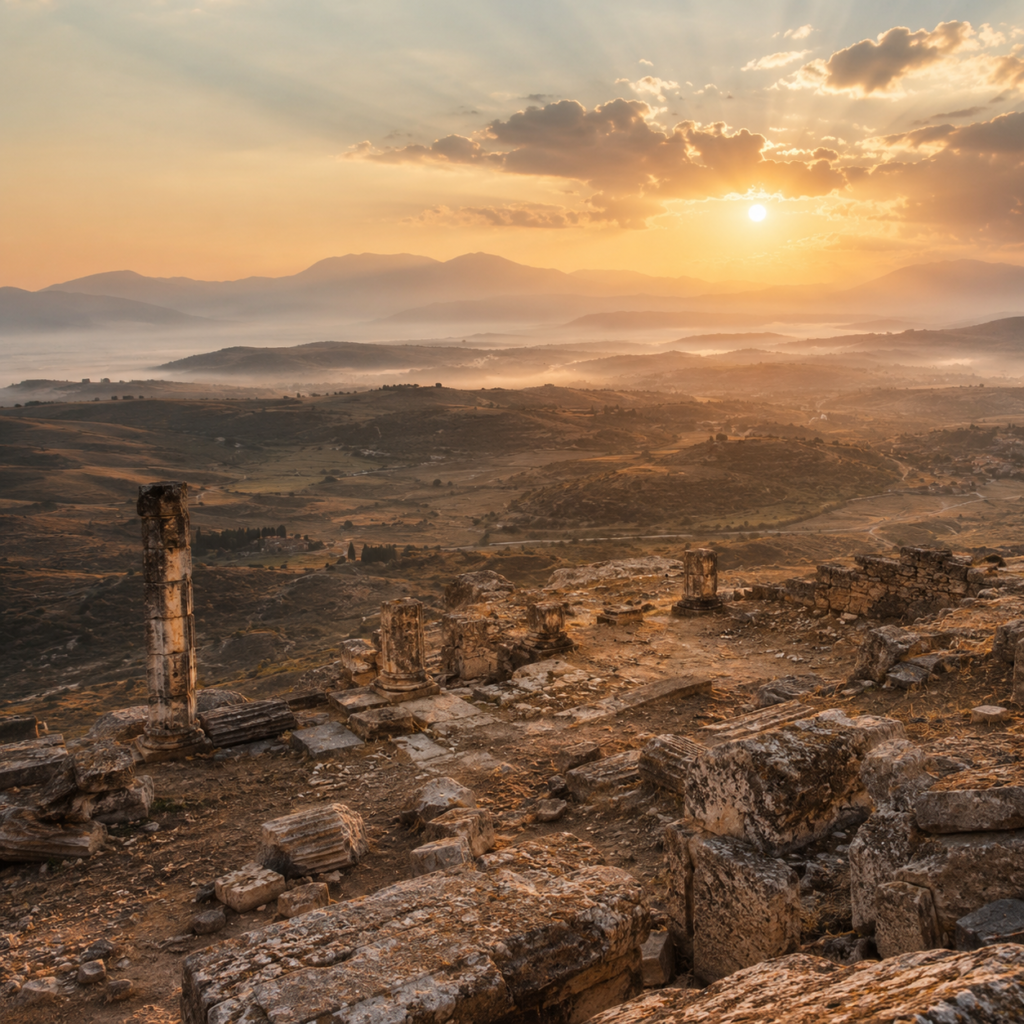
Turkey is one of the few places in the world where history does not feel like a straight line. It feels layered. Beneath modern cities, coastal resorts, mountain roads, bazaars, mosques, churches, theaters, and ruins, there are thousands of years of human movement, belief, conflict, trade, and creativity. This is what makes Anatolian civilizations so fascinating: they did not simply replace one another. They overlapped, borrowed, transformed, resisted, and left traces behind.
Ancient Anatolia was never just a bridge between Europe and Asia. It was a world of its own, shaped by empires, kingdoms, sacred sites, ports, caravan routes, and cultural crossroads. A traveler moving across Turkey today can still feel those layers: Neolithic ritual centers in the southeast, Hittite capitals on the central plateau, Greek and Roman cities on the Aegean coast, Byzantine churches in Istanbul and Cappadocia, Seljuk caravanserais across inland routes, and Ottoman monuments woven into daily life.
Why Anatolia Became a Cradle of Civilizations
Anatolia’s geography explains much of its history. The peninsula sits between the Mediterranean, the Aegean, the Black Sea, the Caucasus, Mesopotamia, the Balkans, and the Iranian plateau. That position made it a meeting point for traders, armies, migrants, pilgrims, scholars, craftsmen, and religious ideas. Over time, this constant movement turned Anatolia into one of the most culturally dense regions in the world.
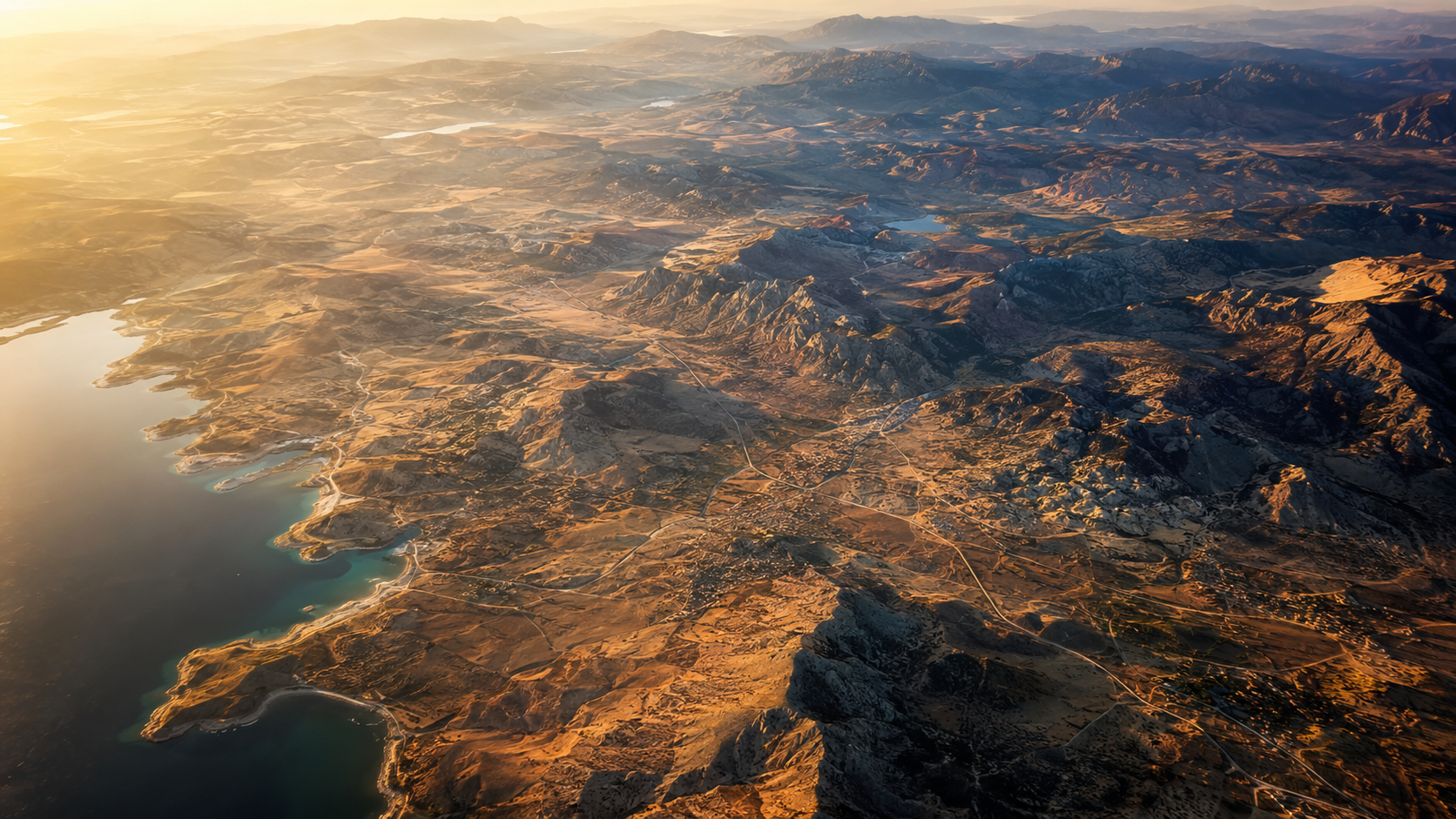
The land itself also encouraged diversity. Coastal plains supported maritime trade and port cities, while central plateaus favored fortified capitals and overland routes. River valleys connected agricultural communities, mountain passes controlled military movement, and volcanic regions created unusual forms of settlement. This is why Anatolian civilizations cannot be understood through one city or one empire. They belong to a wider story of geography, adaptation, survival, and exchange.
Göbekli Tepe and the Deepest Roots of Ancient Anatolia
Long before the Hittites, Greeks, Romans, Byzantines, or Ottomans, southeastern Anatolia was already home to monumental human creativity. Göbekli Tepe, near Şanlıurfa, changed the way many people think about early human history. Its carved stone pillars and ritual spaces suggest that complex symbolic life existed far earlier than once assumed, before the familiar rise of cities, kings, and written states.
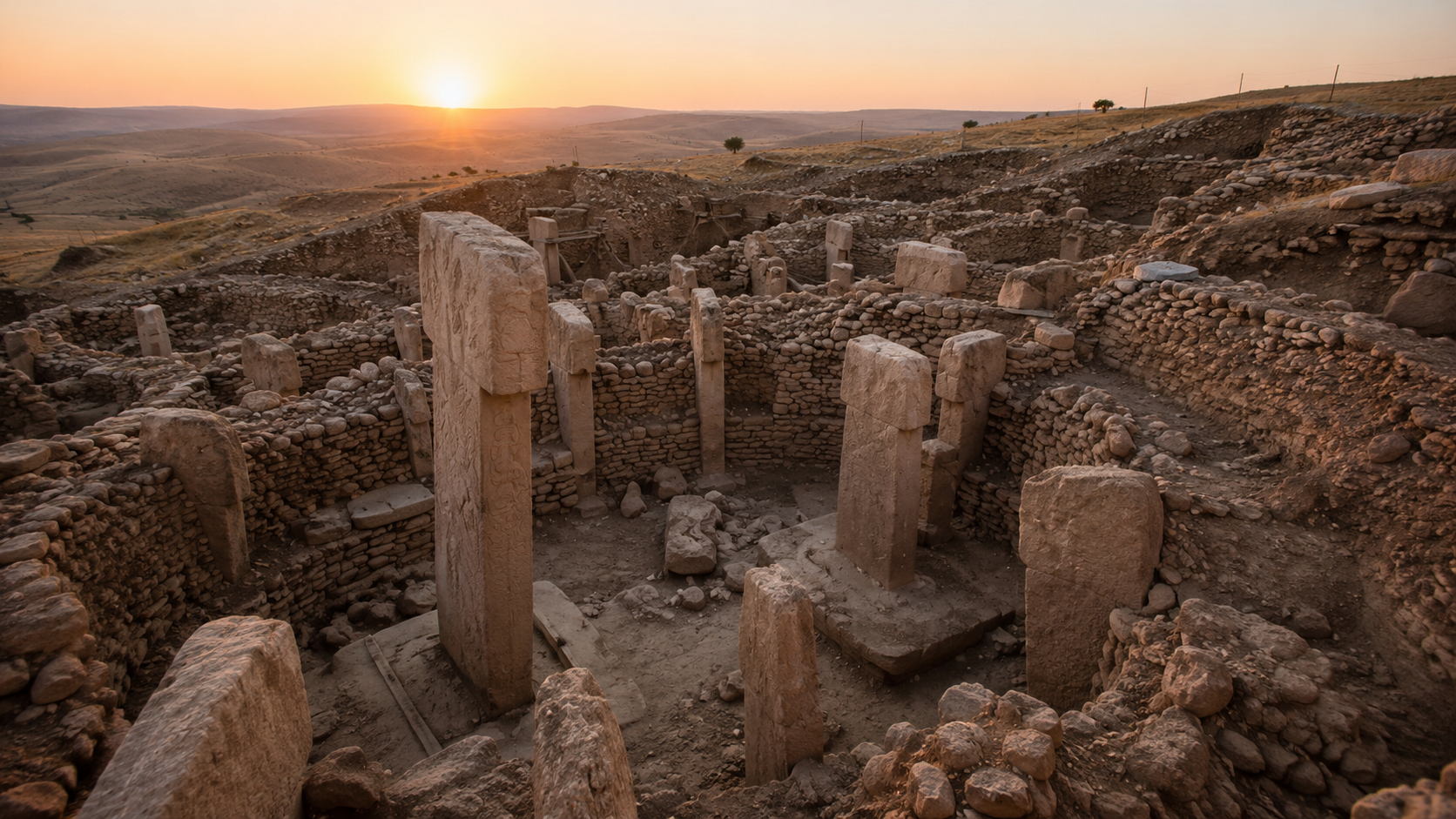
For travelers, Göbekli Tepe feels different from classical ruins. There are no marble columns, no grand theater, and no imperial inscriptions. Instead, the site invites a more mysterious kind of attention. It belongs to a time when communities were beginning to organize around ritual, memory, and shared belief in ways archaeologists are still working to understand. As a starting point for ancient Anatolia, it gives the journey a deeper beginning than most historical routes in the world can offer.
The Hittites in Anatolia: Power on the Central Plateau
The Hittites were one of the great powers of the Bronze Age, and their story is essential to understanding Anatolian civilizations. Their capital, Hattusha, was located in central Anatolia, surrounded by walls, gates, temples, and royal spaces. This was not a minor kingdom on the edge of history. It was a major political force that interacted with Egypt, Mesopotamia, Syria, and other powers of the ancient Near East.
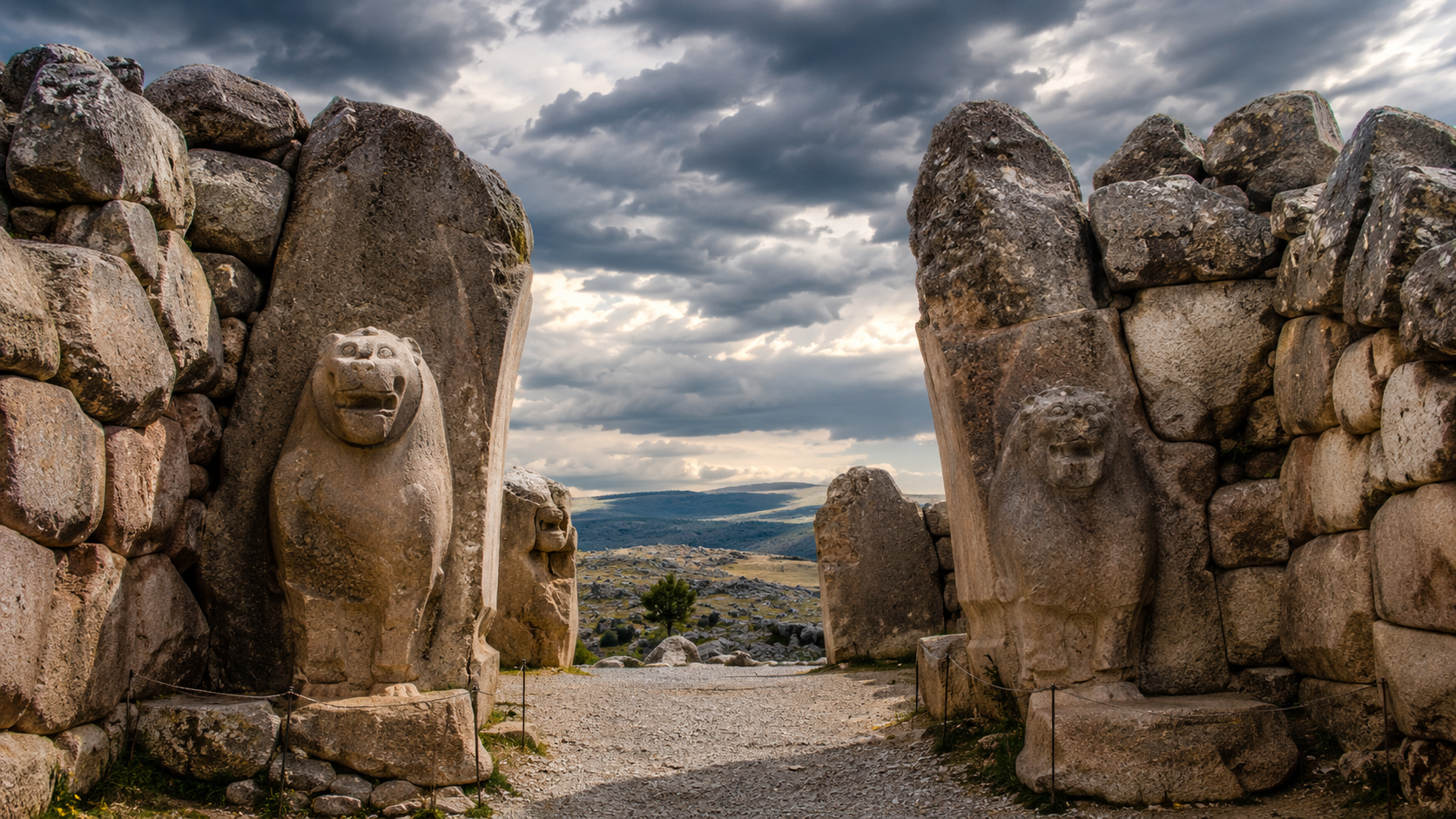
The ruins of Hattusha still feel impressive because they reveal a civilization built on strategy, administration, religion, and military strength. The Lion Gate, the King’s Gate, temple remains, defensive walls, and cuneiform archives all suggest a society that understood both symbolism and bureaucracy. UNESCO recognizes Hattusha: the Hittite Capital as a World Heritage Site, highlighting its importance as the former capital of the Hittite Empire. For travelers, Hattusha is not only a ruin, but proof that central Anatolia once stood at the heart of international Bronze Age politics.
Troy, Legend, and the Western Edge of Anatolia
Western Anatolia has long been connected with myth, memory, and conflict. Troy is the most famous example, partly because of its association with Homeric legend and partly because the site itself reveals multiple layers of settlement. Whether travelers arrive because of literature, archaeology, or curiosity, Troy shows how myth and material history can exist side by side without fully explaining each other.
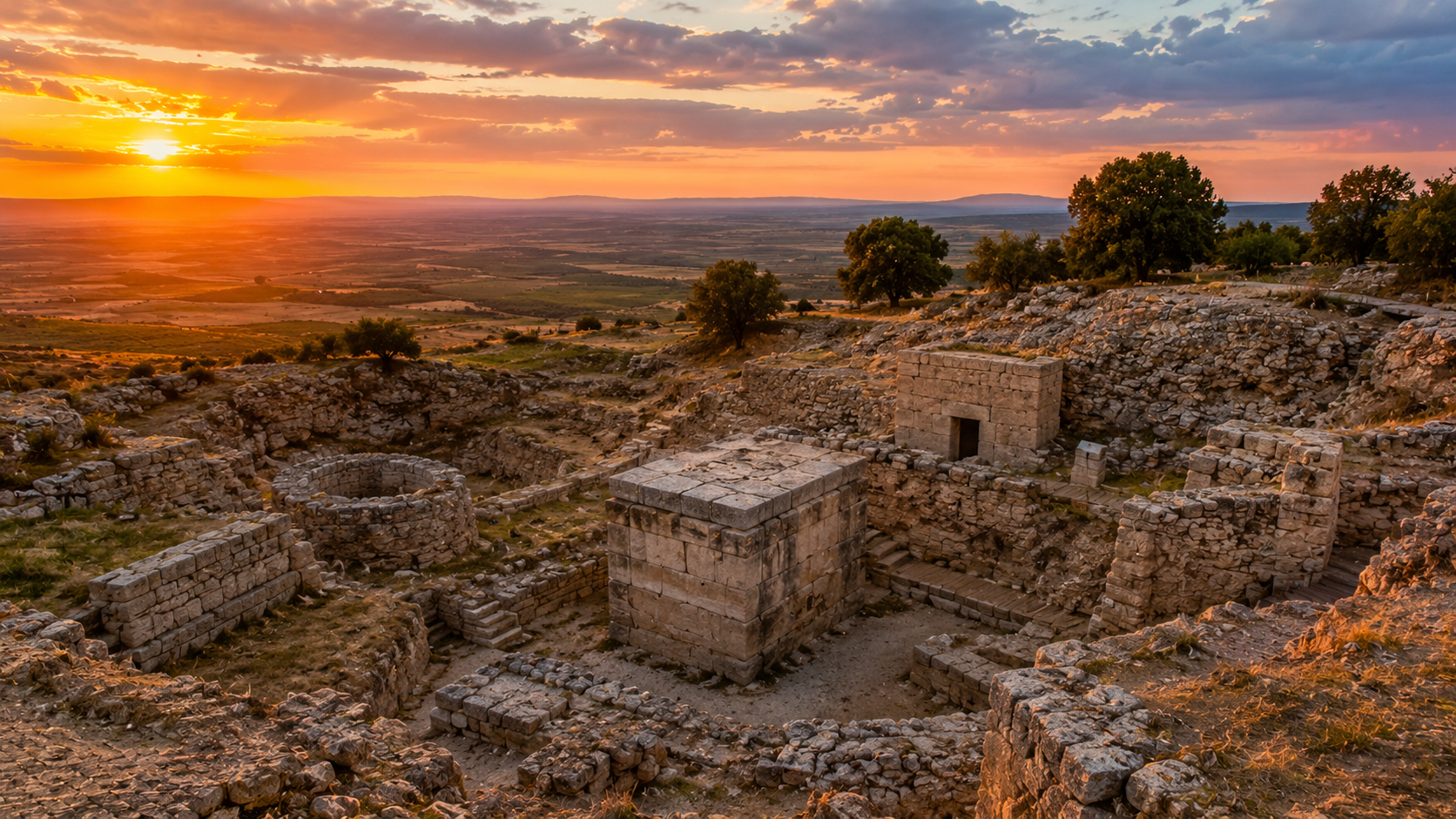
The appeal of Troy is not only in what is visible today. It is in the idea of a place repeatedly rebuilt, remembered, reinterpreted, and debated. Archaeological layers show that people returned to this site across different periods, while stories transformed it into one of the most famous names in world literature. That makes Troy a useful symbol for ancient Anatolia as a whole. Many sites in Turkey are not simple ruins with one clear meaning. They are palimpsests, places where different ages wrote over each other without fully erasing what came before.
Greek Cities and Roman Ruins in Turkey
The Aegean coast of Turkey is one of the richest regions for travelers interested in ancient cities. Places such as Ephesus, Pergamon, Miletus, Priene, and Didyma reveal the Hellenistic and Greek-influenced layers of Anatolian history. These cities were connected to trade, philosophy, religion, theater, urban planning, and maritime life. They were not isolated outposts, but active participants in the wider Mediterranean world.
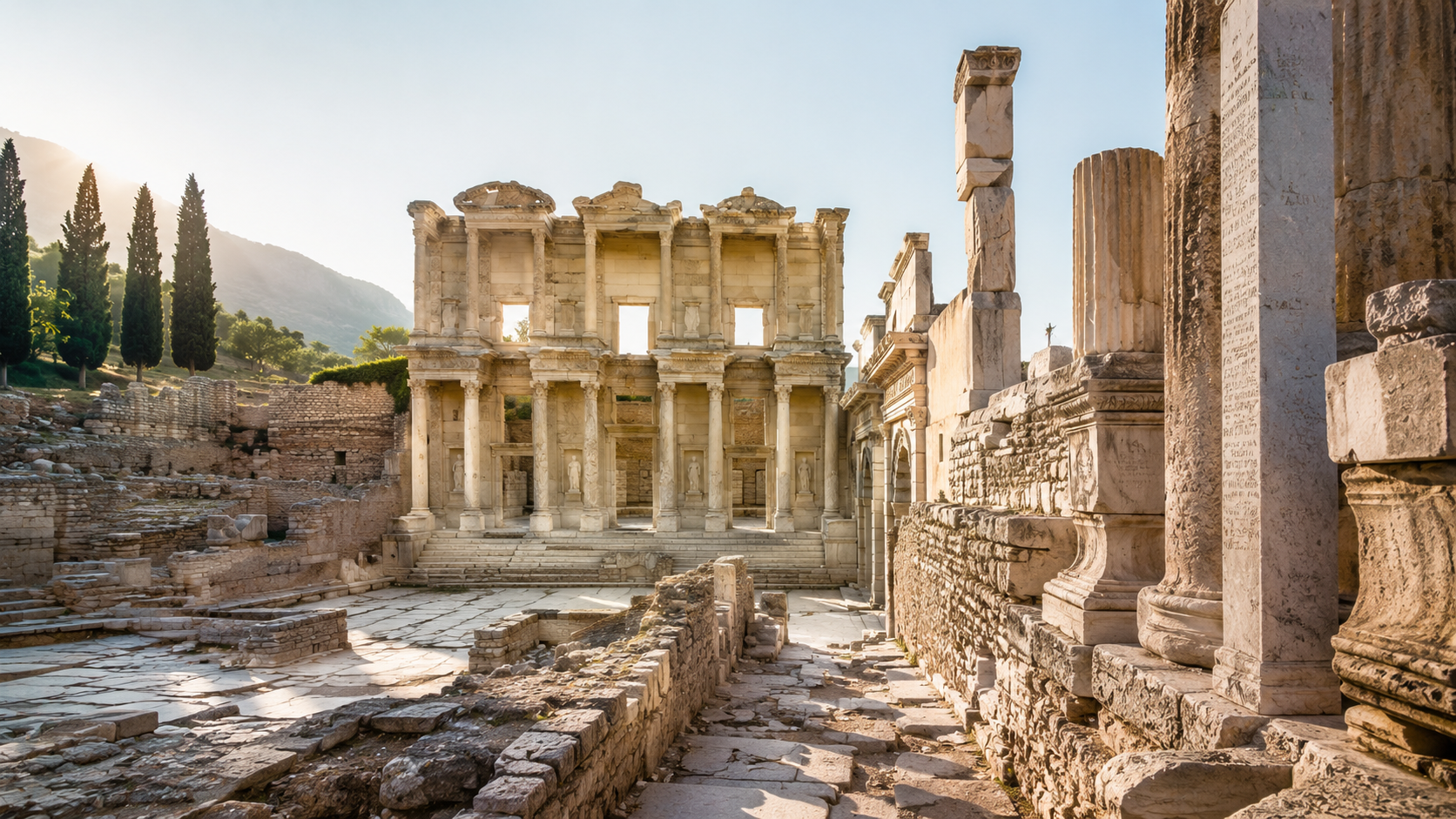
Roman rule added another powerful layer. Across the country, Roman roads, theaters, baths, temples, bridges, aqueducts, and city gates show how deeply ancient Anatolia was integrated into the Roman world. Ephesus is the best-known example, and UNESCO describes Ephesus as an exceptional testimony to Hellenistic, Roman Imperial, and early Christian traditions. For a more site-focused route through famous monuments, this broader history connects naturally with Turkey’s magnificent landmarks.
Cappadocia and the Christian Landscape
Cappadocia adds a completely different chapter to the story. Its volcanic landscapes, cave dwellings, underground cities, and rock-cut churches reveal how geography and faith shaped one another. Early Christian communities used the region’s soft stone to create hidden spaces for worship, shelter, storage, and monastic life. The result is a landscape where architecture seems to grow out of the earth itself.
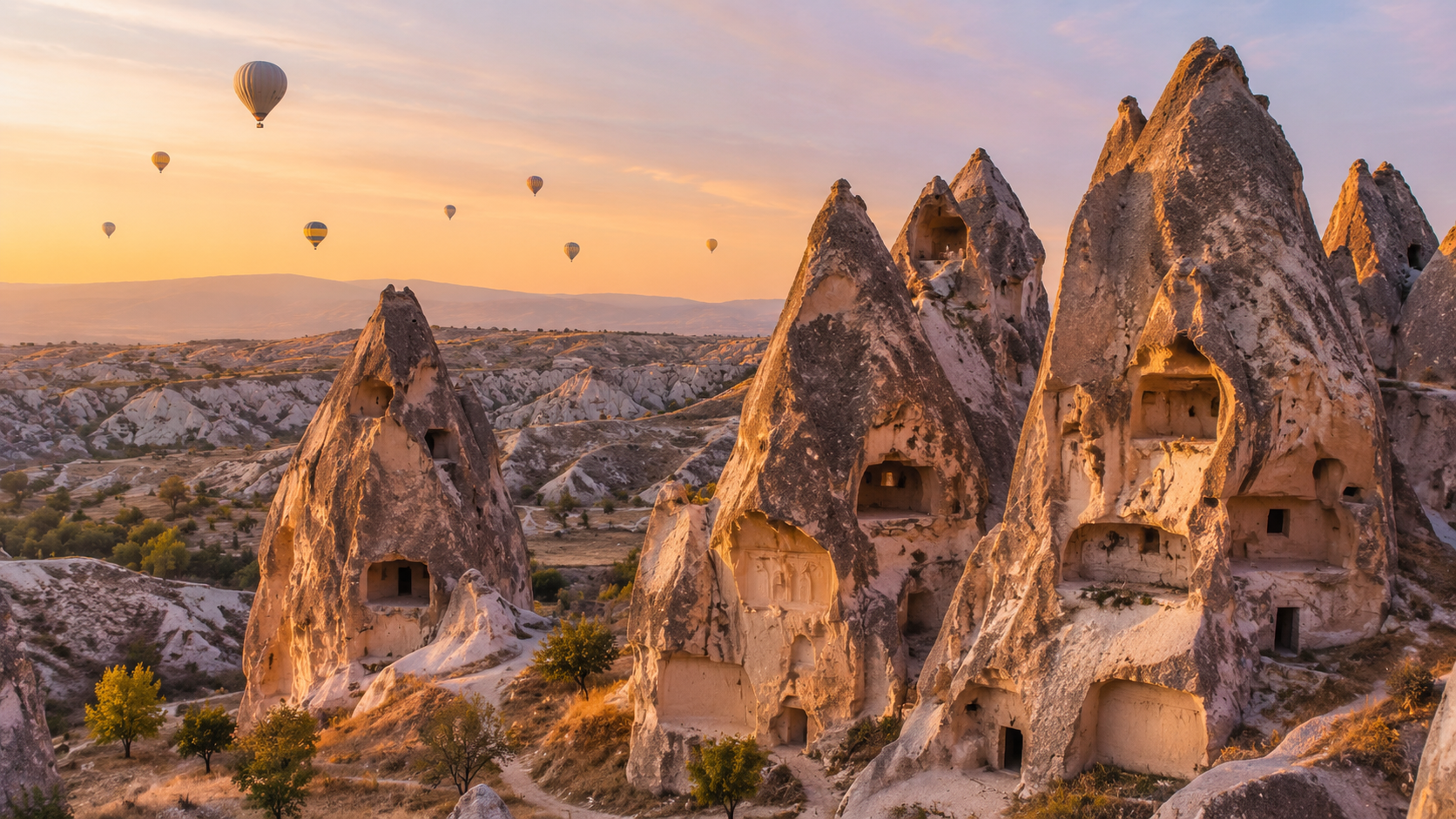
The painted churches of Göreme are especially important because they show Byzantine religious art in a setting unlike anywhere else. Frescoes, chapels, tunnels, cave rooms, and underground settlements make Cappadocia feel both spiritual and surreal. This is one of the best places to understand Byzantine heritage Turkey outside Istanbul, because its sacred spaces are not monumental in the usual imperial sense. They are intimate, carved, protected, and deeply connected to the land.
Byzantine Heritage in Istanbul
Istanbul is one of the great cities of world history because it carries so many identities at once. As Constantinople, it was the capital of the Byzantine Empire and a center of politics, religion, art, and trade for more than a thousand years. Its location on the Bosphorus made it a hinge between continents and seas, giving it enormous strategic and symbolic power.
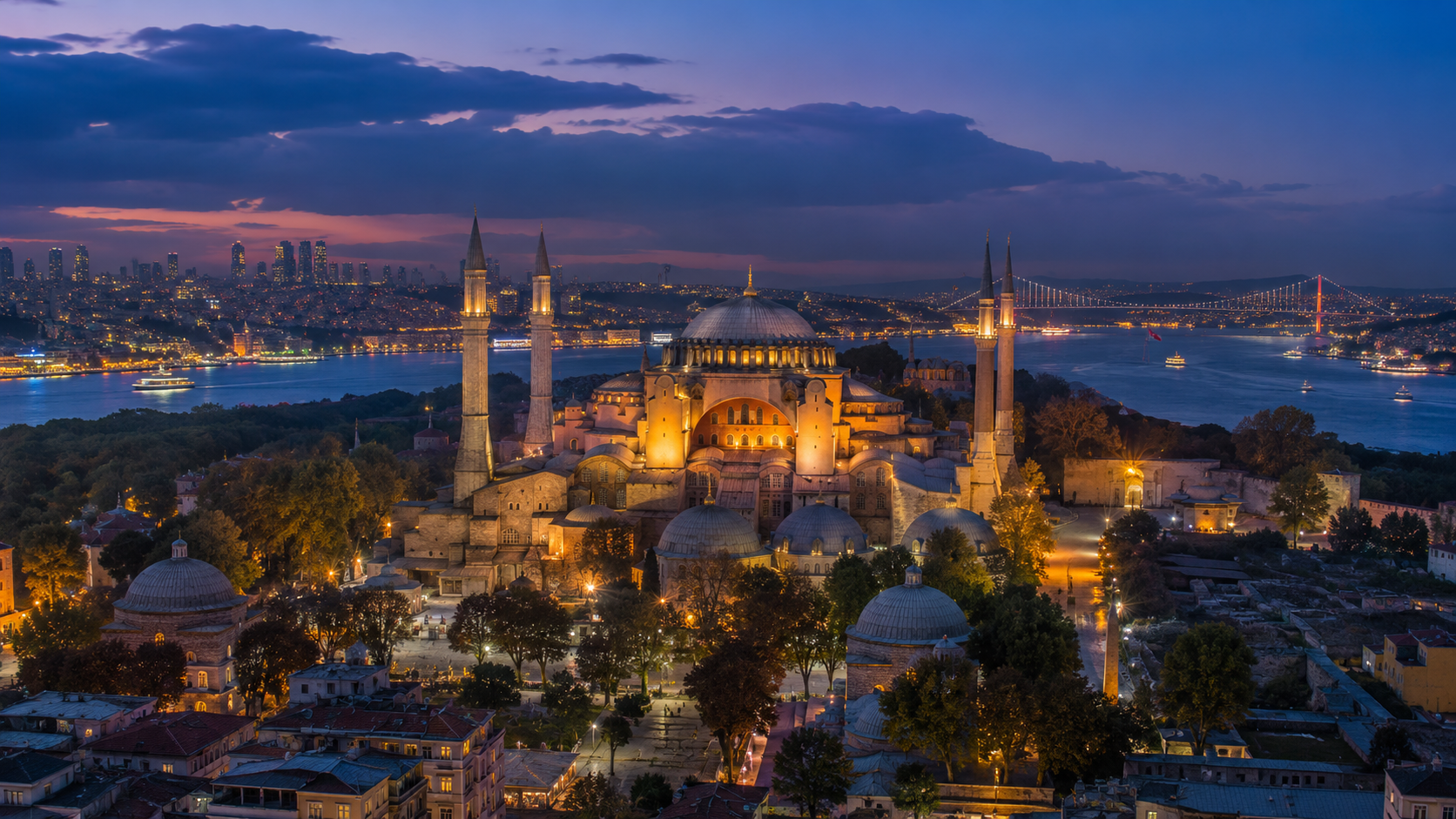
Byzantine heritage in Istanbul can be seen in Hagia Sophia, the Theodosian Walls, underground cisterns, mosaics, churches, and the old urban fabric of the historic peninsula. But the city is not only Byzantine, and that is exactly what makes it powerful. Ottoman mosques, bazaars, palaces, hammams, and neighborhoods later transformed the city again. Istanbul is one of the best places in Turkey to see how one civilization can reshape the remains of another without completely erasing it.
Seljuk Routes, Caravanserais, and the Silk Road Spirit
Between the Byzantine and Ottoman worlds, the Seljuk period left a distinctive mark on Anatolia. The Seljuks built mosques, madrasas, bridges, caravanserais, and decorative stone portals that still shape many towns and routes today. Their architecture often feels more intimate than Roman or Byzantine monuments, but it is rich in detail, geometry, calligraphy, and symbolism.
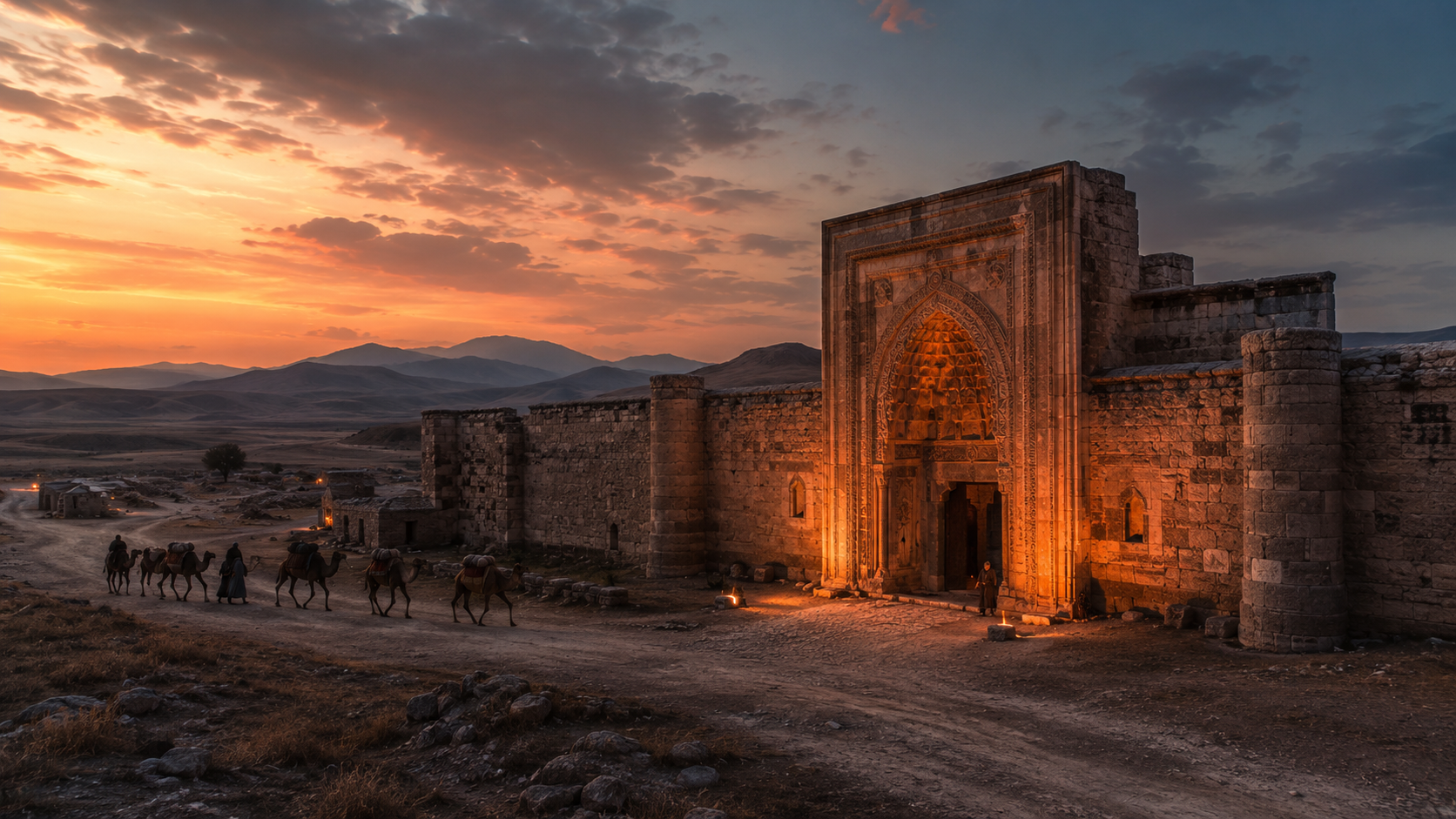
Konya is especially important because of its connection to the Seljuks and to the spiritual legacy of Rumi. Caravanserais across central Anatolia also remind travelers that the region was tied to long-distance trade. These fortified roadside inns served merchants, animals, and travelers moving across difficult terrain. That world of exchange still echoes in Turkey’s markets, making bazaars and shopping in Turkey more than a colorful travel experience. They are part of a much older culture of trade, craft, negotiation, and movement.
Ottoman Culture: Food, Baths, Crafts, and Daily Life
The Ottoman story began in northwestern Anatolia before expanding into one of the most influential empires in world history. Bursa, Edirne, and Istanbul are especially important for understanding this transformation. Ottoman architecture, urban planning, cuisine, crafts, baths, markets, and religious institutions all reshaped the cultural landscape of Turkey. Unlike some ancient layers, Ottoman heritage often feels close because it still influences daily routines.
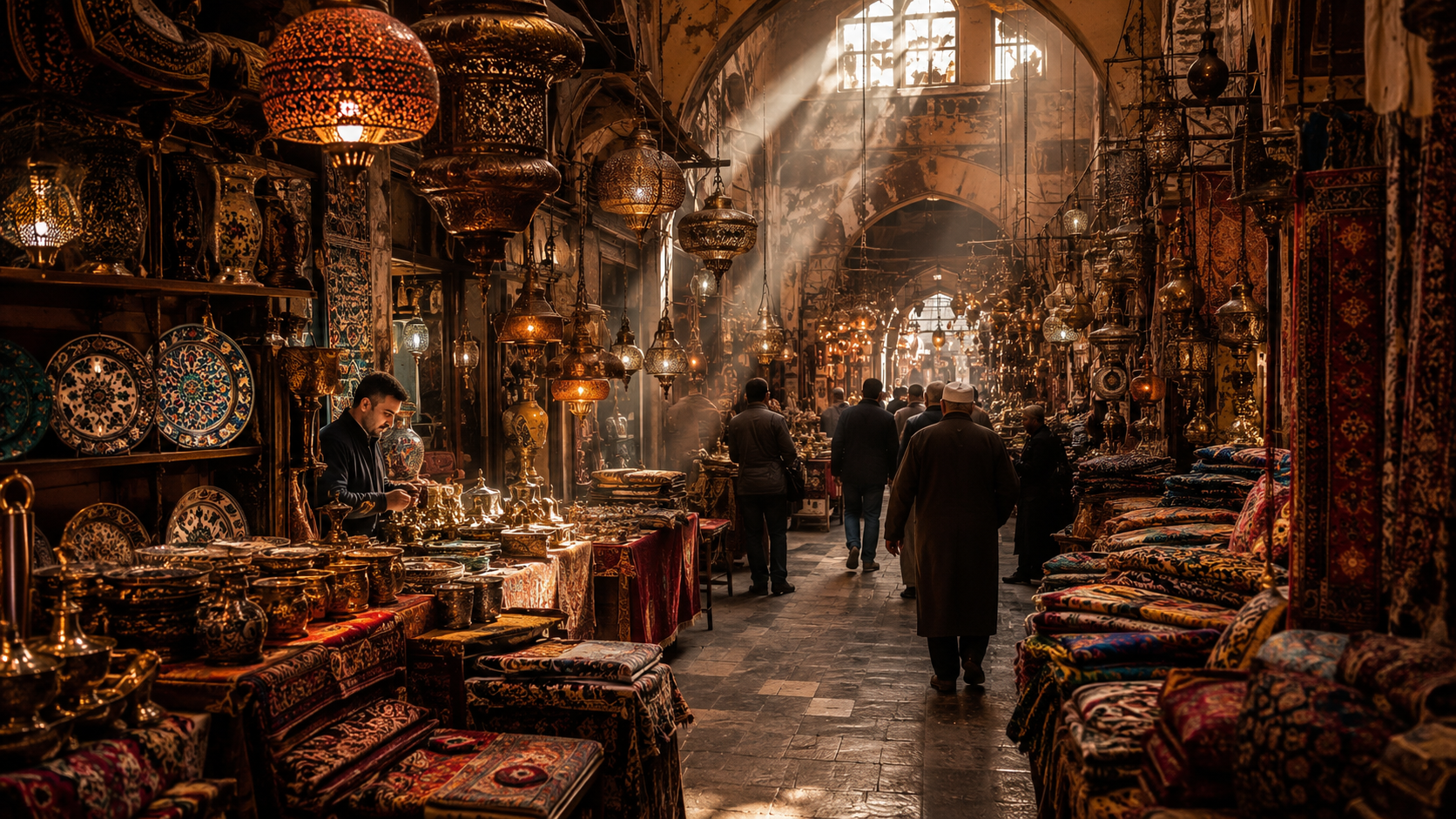
This layer is visible not only in monuments, but in lived culture. Turkish food carries memories of palace kitchens, regional ingredients, nomadic traditions, and Mediterranean abundance, which is why Turkey’s rich cuisine belongs naturally inside any deeper historical journey. The same is true of the hamam experience, where bathing became a social, architectural, and cultural ritual. Even Turkish crafts and arts reflect this long continuity through ceramics, carpets, calligraphy, metalwork, textiles, and tile design.
Nature as Part of the Historical Landscape
History in Turkey is not separated from nature. Ancient cities rose near harbors, rivers, valleys, hot springs, mountains, and trade routes because geography shaped power. Cappadocia’s churches exist because of volcanic rock. Pamukkale’s terraces sit beside the ancient city of Hierapolis. Coastal ruins face the sea because trade and empire depended on maritime routes.
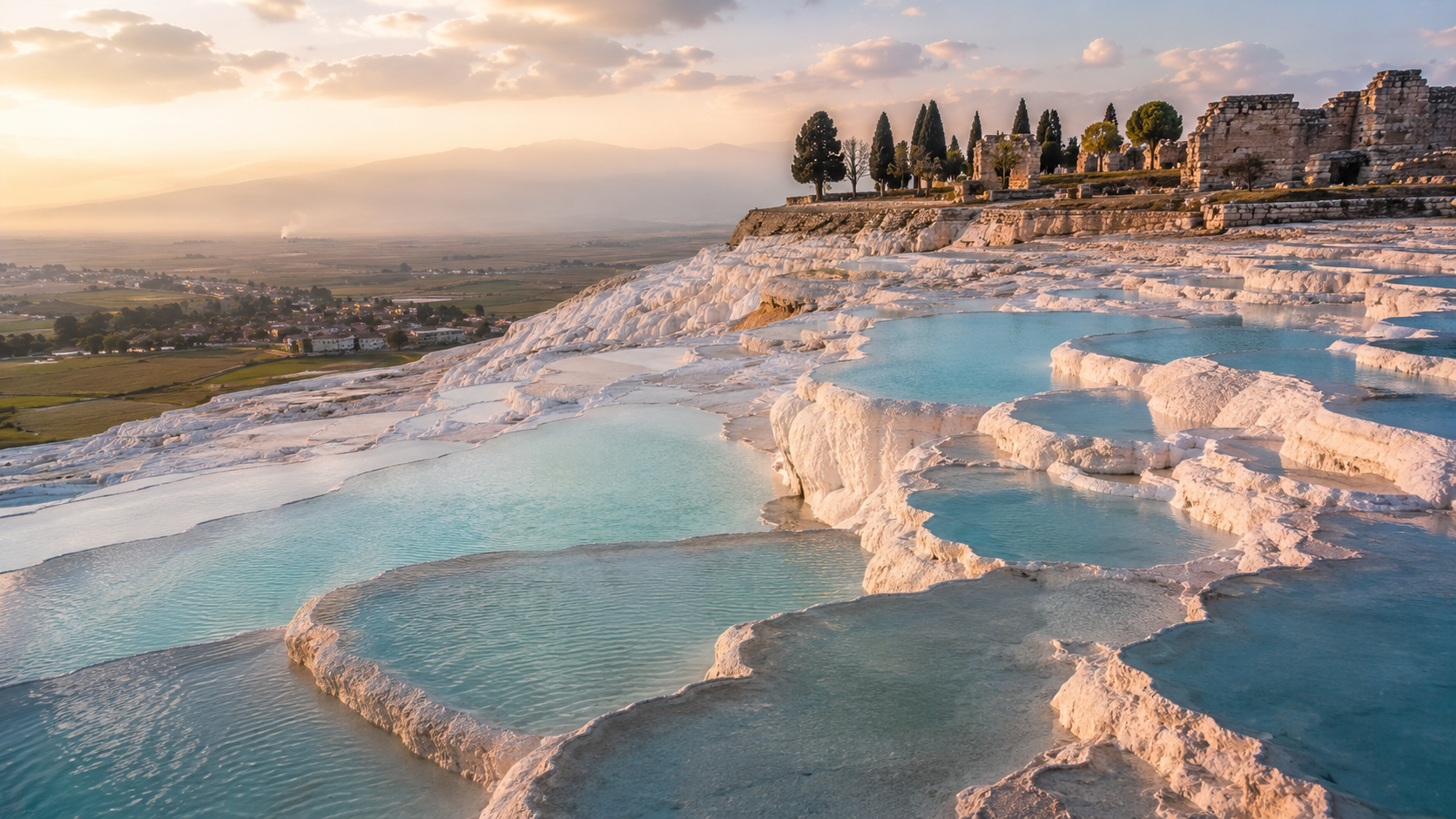
This is why a historical trip through Anatolia pairs well with Turkey’s landscapes. The country’s natural settings often explain why civilizations settled, traded, worshipped, and built where they did. For travelers who want to connect ruins with scenery, Turkey’s natural wonders can deepen the route rather than distract from it. The land is not just background. It is part of the historical story.
How to Plan a Journey Through Anatolian History
A journey through Anatolian civilizations can be built in several ways. First-time travelers may begin with Istanbul, then continue to Ephesus and Cappadocia. This creates a strong route through Byzantine, Roman, early Christian, and Ottoman layers. Travelers with more time can add Hattusha, Troy, Pergamon, Aphrodisias, Şanlıurfa, Göbekli Tepe, Konya, Bursa, or Pamukkale.
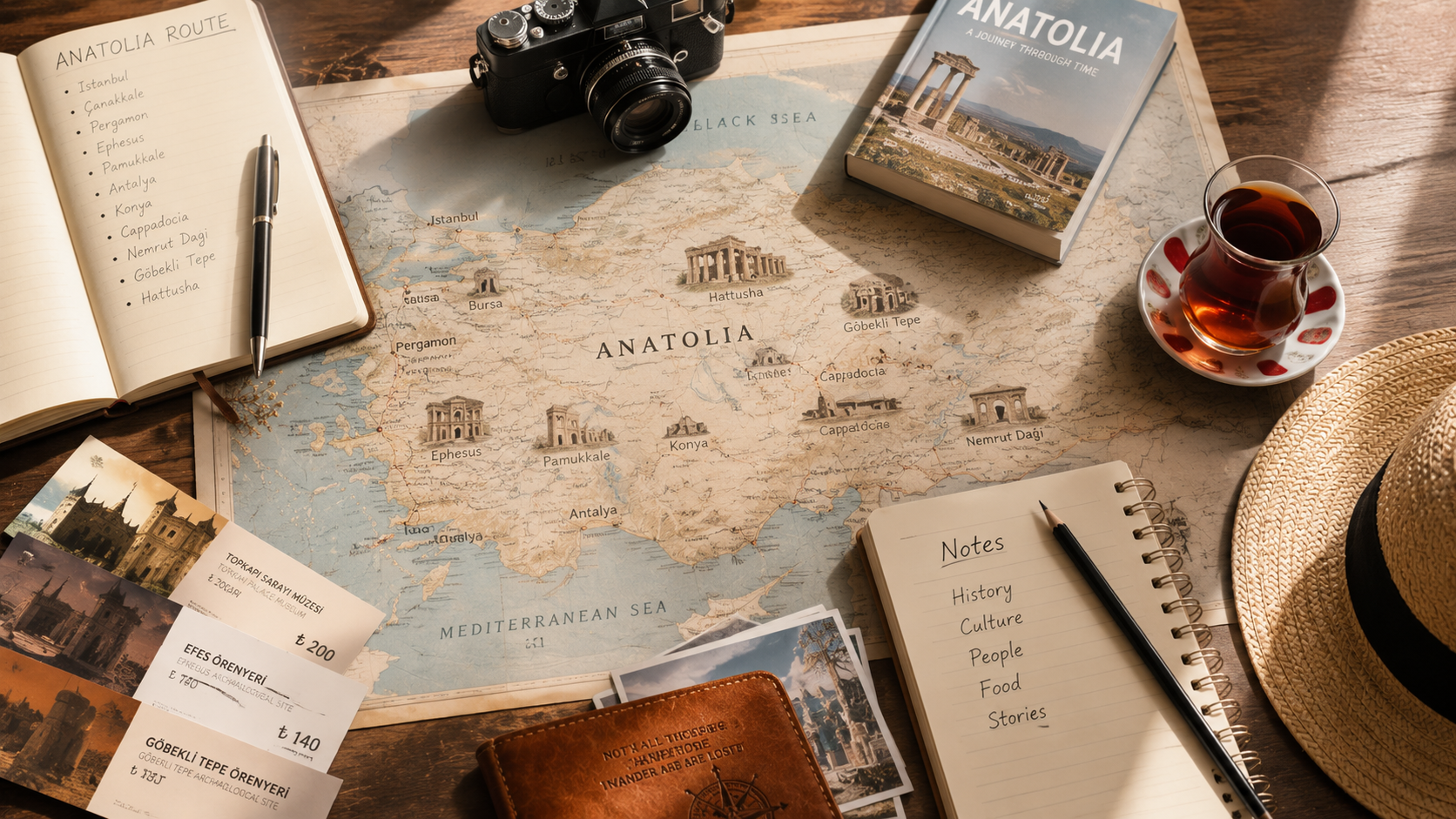
The best approach is not to chase every site at once. Anatolia is too rich for that. Instead, choose a theme: ancient empires, Roman cities, sacred landscapes, Byzantine art, Silk Road routes, Ottoman urban culture, or the connection between nature and history. This makes the journey easier to understand and more memorable. History becomes less overwhelming when each stop feels like part of a larger story.
Why Anatolian Civilizations Still Matter
The value of these ancient sites is not only that they are old. They show how cultures meet, change, and survive. Anatolia was never isolated, and its civilizations were never static. They absorbed influences, resisted rivals, borrowed artistic forms, shifted religious identities, and transformed cities over centuries.
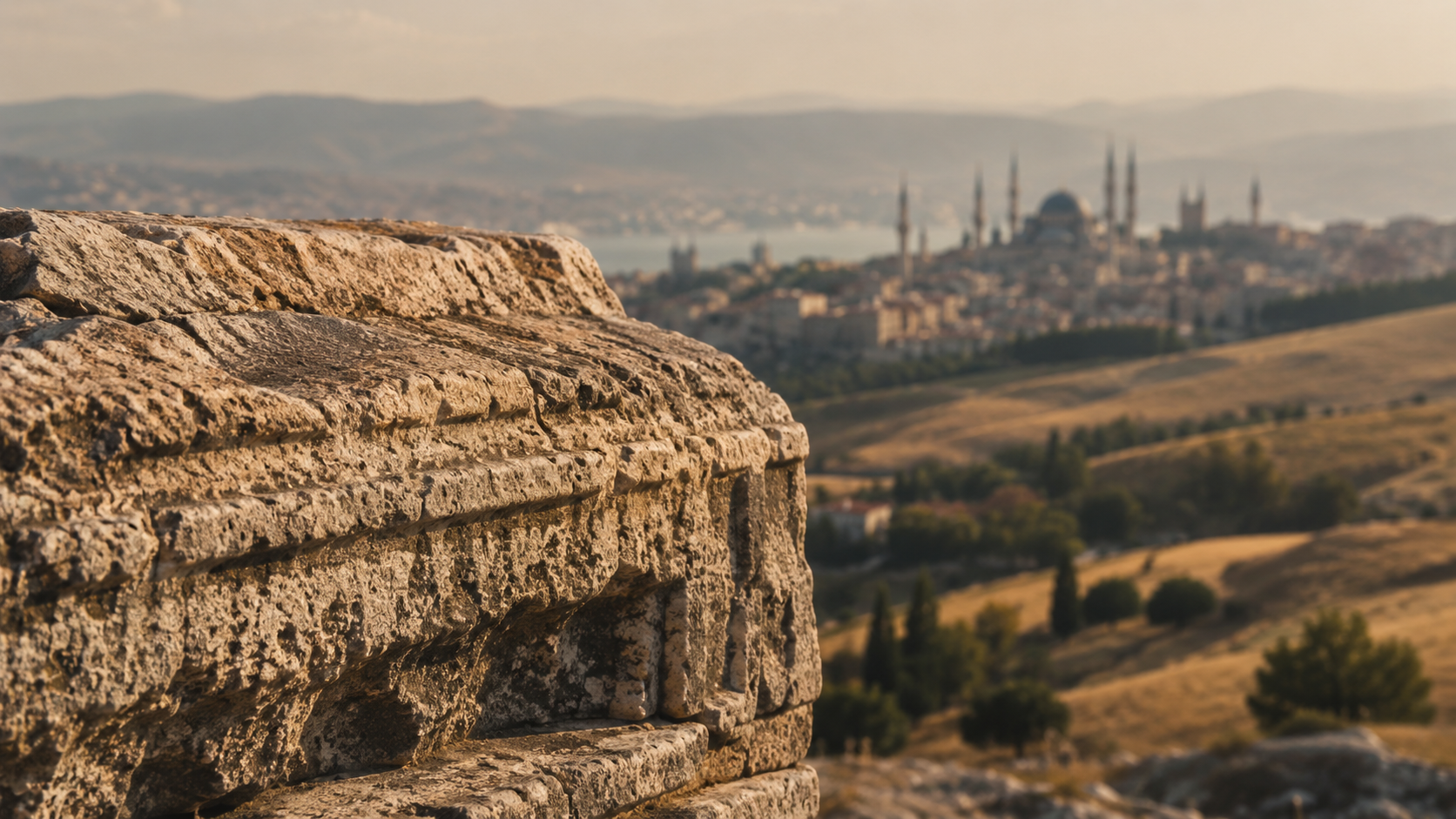
That is why travel through Turkey can feel so intellectually satisfying. A single landscape may contain Neolithic ritual memory, Hittite power, Greek urban planning, Roman engineering, Byzantine faith, Seljuk trade, and Ottoman elegance. Few regions allow travelers to see so many chapters of human history in one connected geography. Anatolia teaches history not as a sequence of dates, but as a living pattern of exchange.
Conclusion
Anatolian civilizations are the foundation of Turkey’s extraordinary historical depth. From Göbekli Tepe to Hattusha, from Troy to Ephesus, from Cappadocia to Istanbul, the country offers a journey through some of the most important cultural layers in the ancient and medieval world. Each site adds something different: mystery, empire, myth, trade, faith, art, food, craft, or everyday urban life.
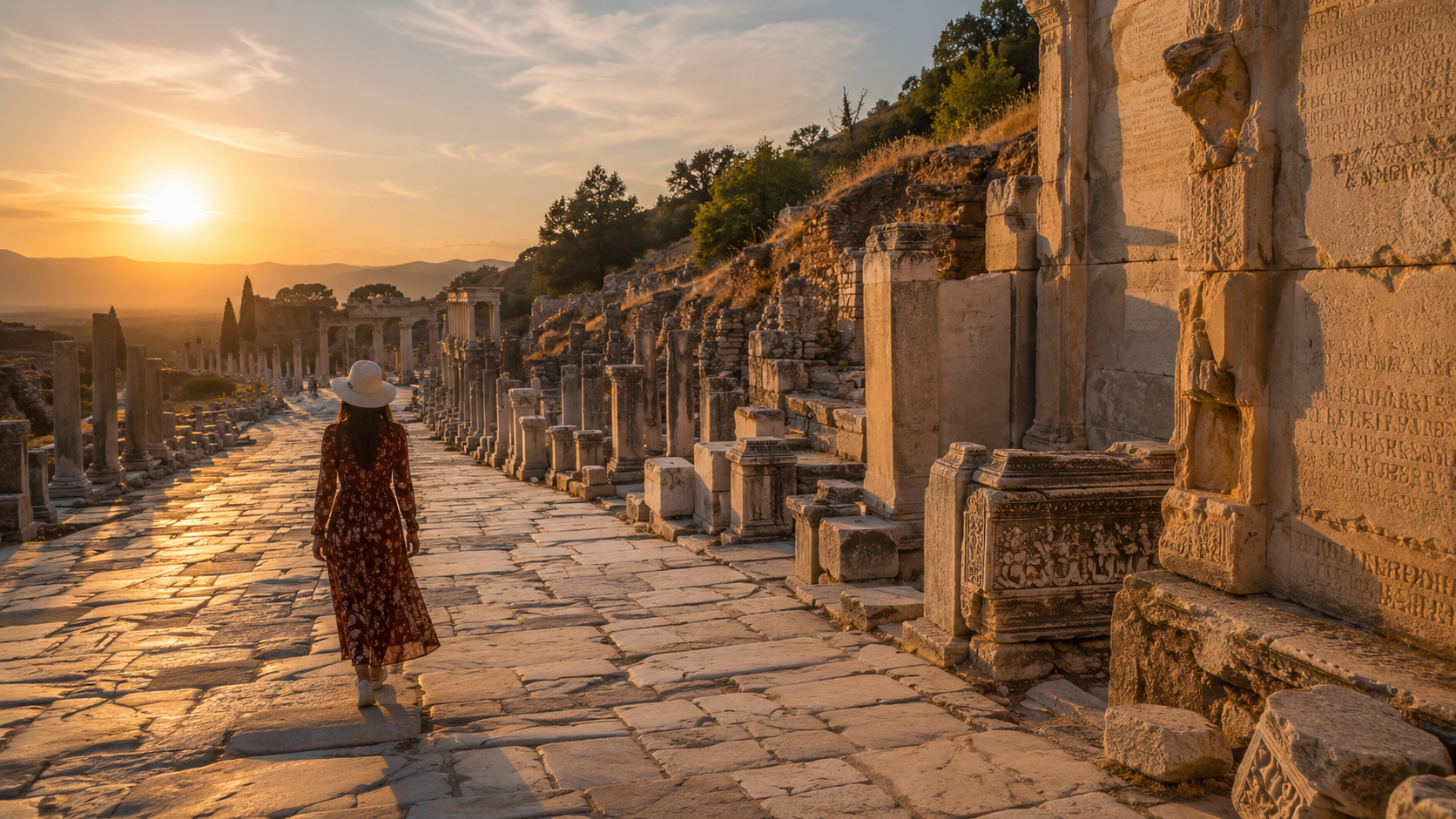
For travelers, the key is to see Anatolia not as a collection of ruins, but as a living historical landscape. Turkey’s past is still visible in its cities, roads, markets, cuisine, hammams, architecture, natural wonders, and sacred places. To travel through Anatolia is to move through time, but also to understand how deeply connected civilizations have always been.