
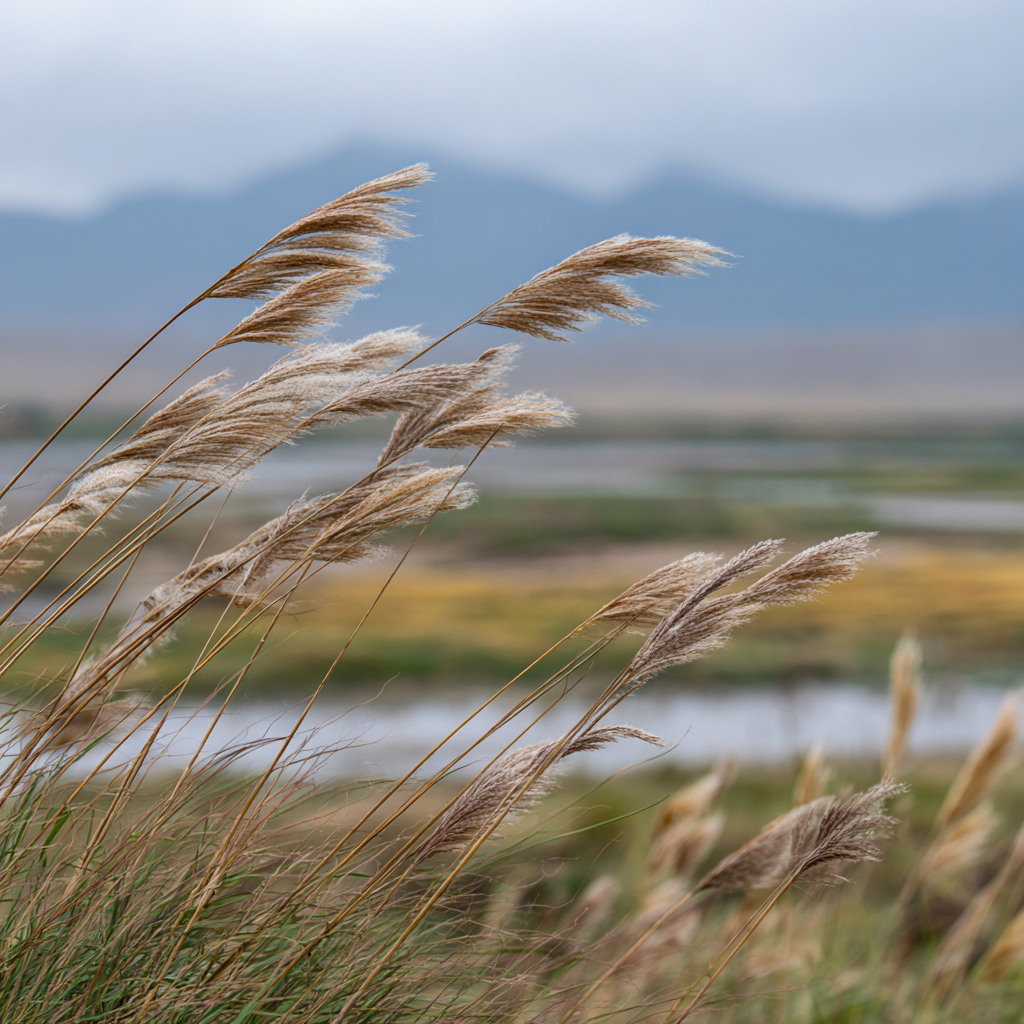
Kazakhstan is often imagined as an endless land of open steppe, but its natural world is far more layered than that. Across the country, high mountain valleys, desert edges, feather-grass plains, alpine meadows, and vast wetlands create habitats for an impressive range of animals and plants. This diversity makes Kazakhstan wildlife especially interesting for travelers who want more than a simple safari-style checklist. Here, nature is not only about rare animals, but also about the landscapes and plant life that make those animals possible.
What makes Kazakhstan unique is the scale of its ecosystems. In one journey, you can move from snow-capped ridges to dry steppe, from deep canyons to reed-filled lakes crowded with migratory birds. The country sits between several natural worlds, and that meeting point gives it a wild, unexpected character. For nature lovers, this is one of Central Asia’s most underrated travel experiences.
Why Kazakhstan’s Nature Feels So Different
Kazakhstan’s size is part of the story, but geography is just as important. The south and southeast are shaped by mountain systems connected to the Tien Shan, while the north and center open into enormous steppe and wetland zones. These different environments support very different species, from ibex and birds of prey in the mountains to flamingos, pelicans, and saiga antelope in the lakes and plains.
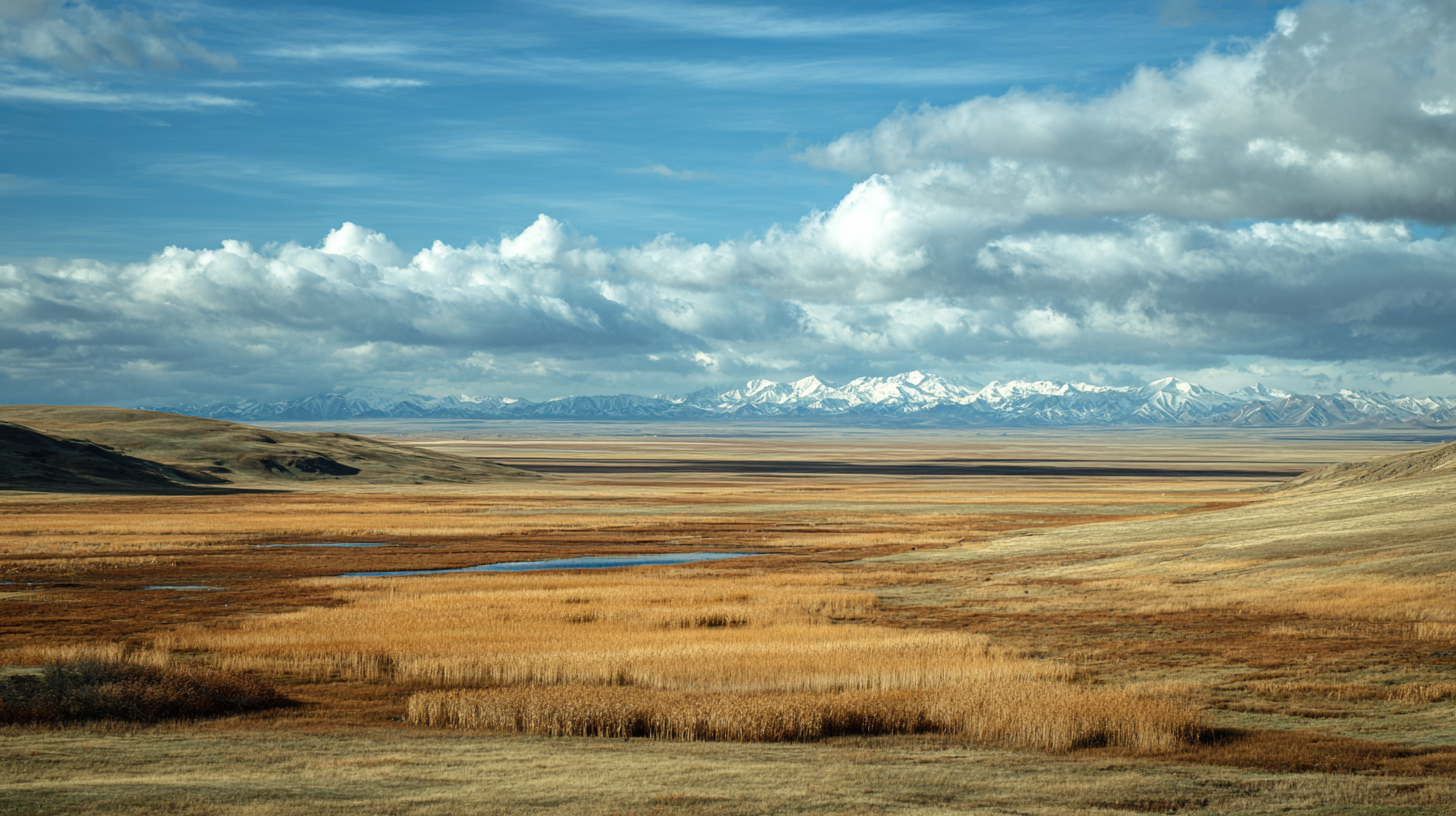
This is also why Kazakhstan wildlife should not be understood only through famous animals. The plants matter just as much. Juniper forests, spring tulips, alpine grasses, reeds, salt-tolerant plants, and steppe flowers all form the living foundation of these habitats. Without that botanical richness, the birds, mammals, insects, and predators would not have the same chance to thrive.
Aksu-Zhabagly Nature Reserve: Kazakhstan’s Mountain Wilderness
The Aksu-Zhabagly Nature Reserve is one of the best places to understand the mountain side of Kazakhstan. Located in the western Tien Shan region, it protects canyons, foothills, alpine meadows, rocky slopes, and juniper-covered landscapes. The scenery feels dramatic, but not polished or overly touristic. It is the kind of place where the wildness still feels real.
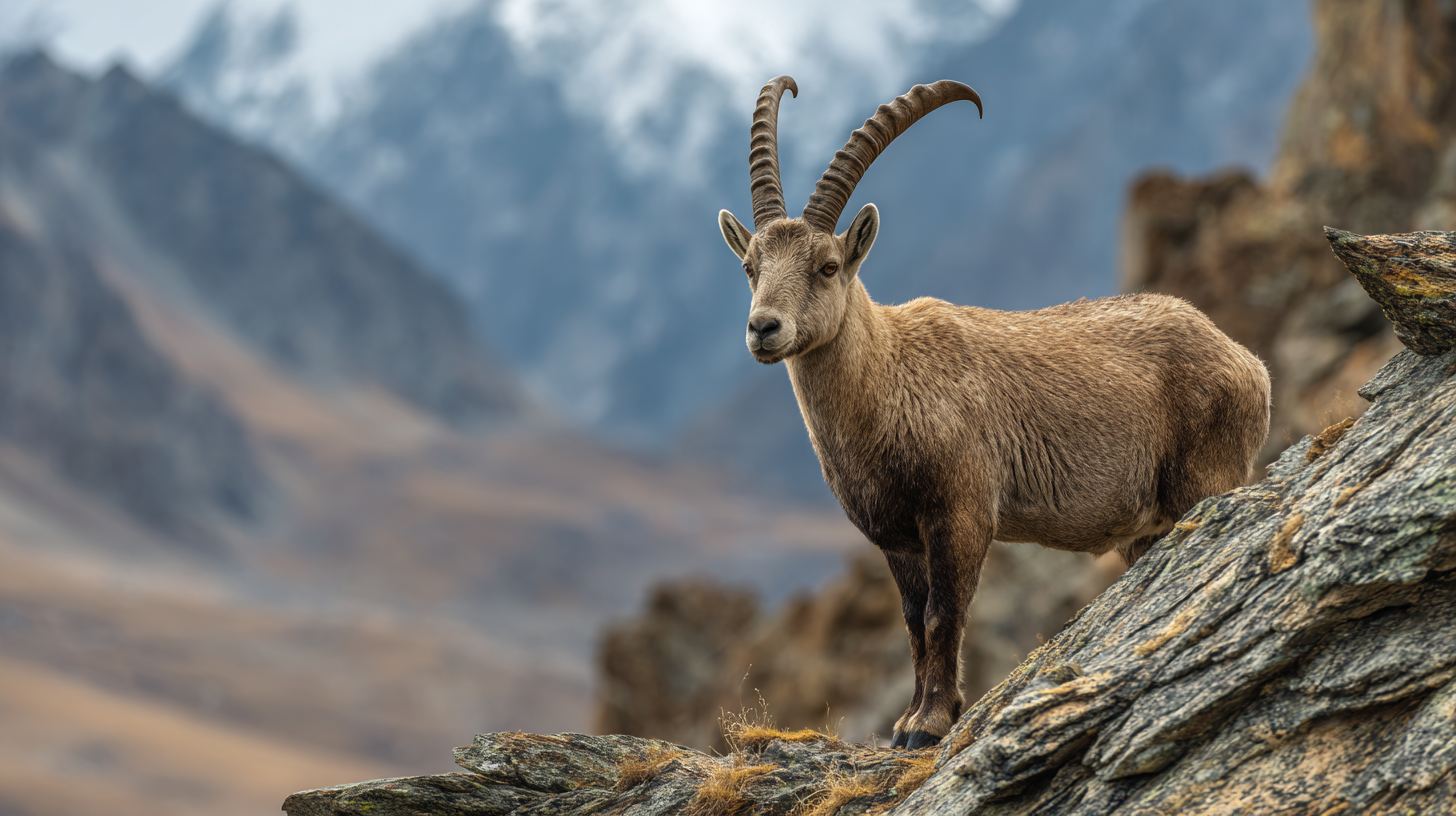
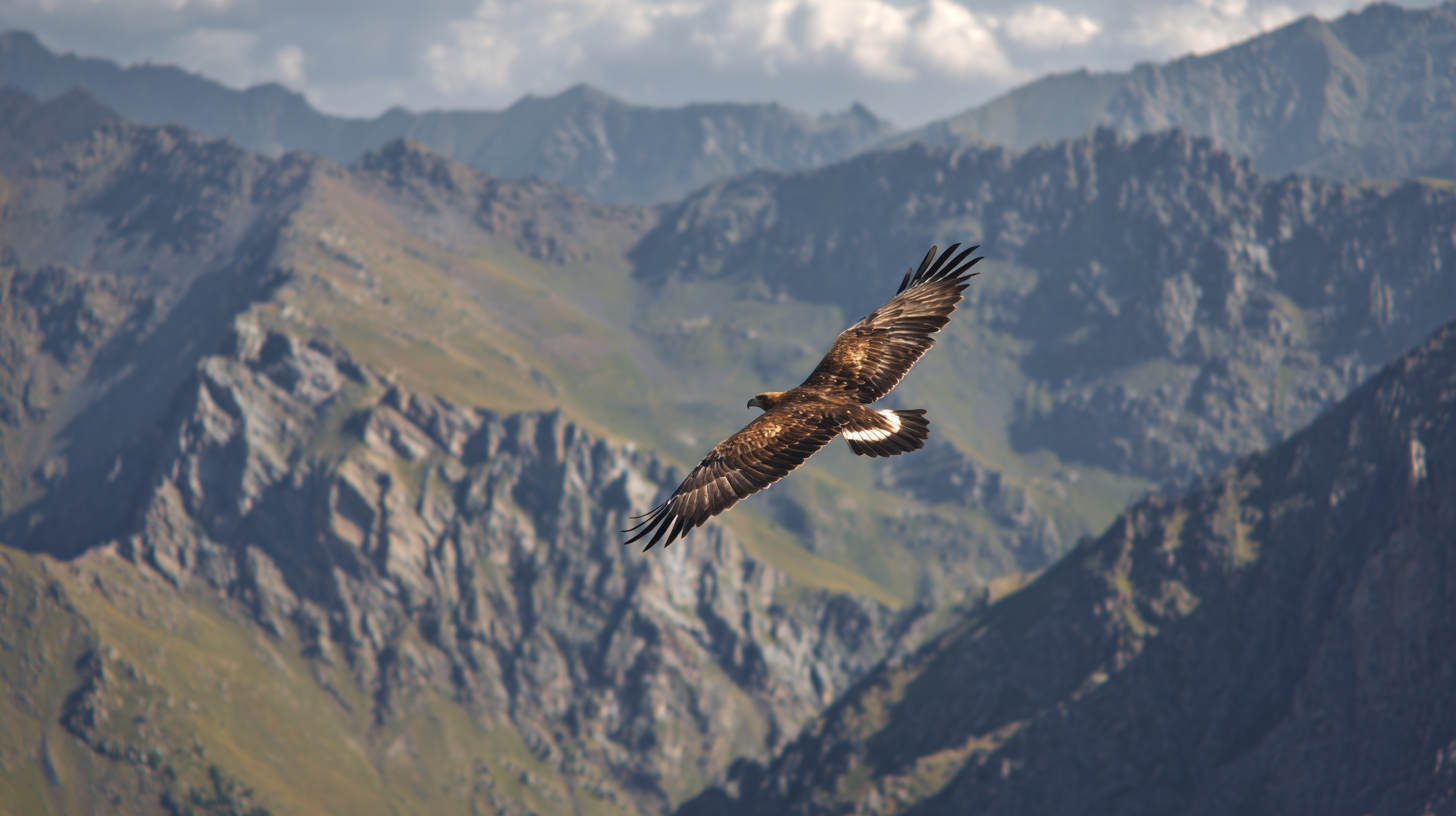
For animal lovers, Aksu-Zhabagly is especially fascinating because it brings together mountain mammals, raptors, and smaller species that are often missed by casual travelers. Ibex may appear on steep slopes, while golden eagles and other birds of prey can be seen circling above the ridges. The reserve is also associated with the snow leopard in Kazakhstan, although seeing one in the wild is extremely rare and should never be expected as a normal tourist experience.
The Rare Beauty of the Snow Leopard
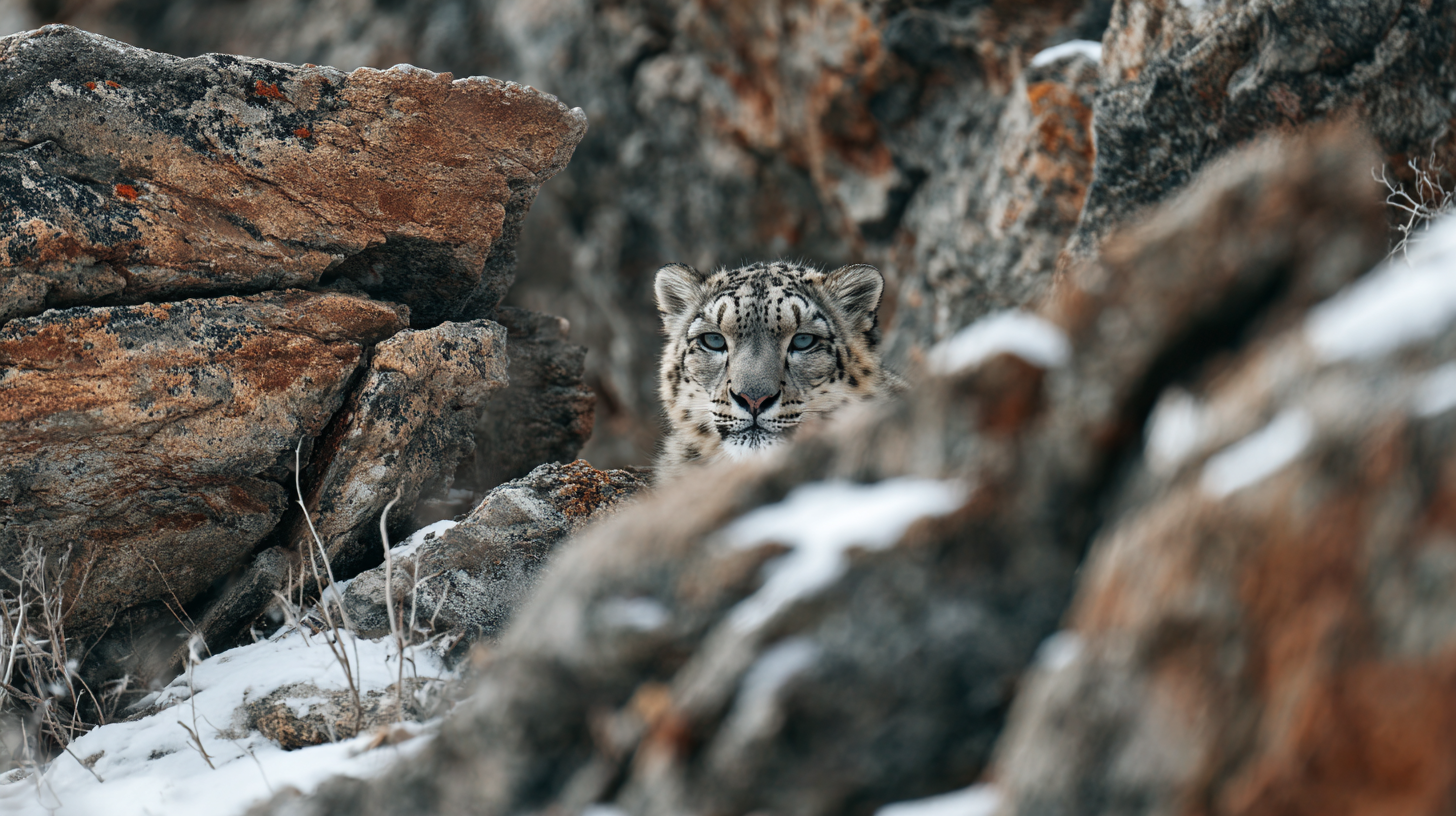
The snow leopard has become one of the great symbols of Central Asian wilderness. In Kazakhstan, it lives in remote mountain habitats where cliffs, ridges, and high valleys provide cover and hunting territory. Its presence tells us something important about the health of the ecosystem, because a top predator can survive only where prey species and habitat conditions remain strong enough.
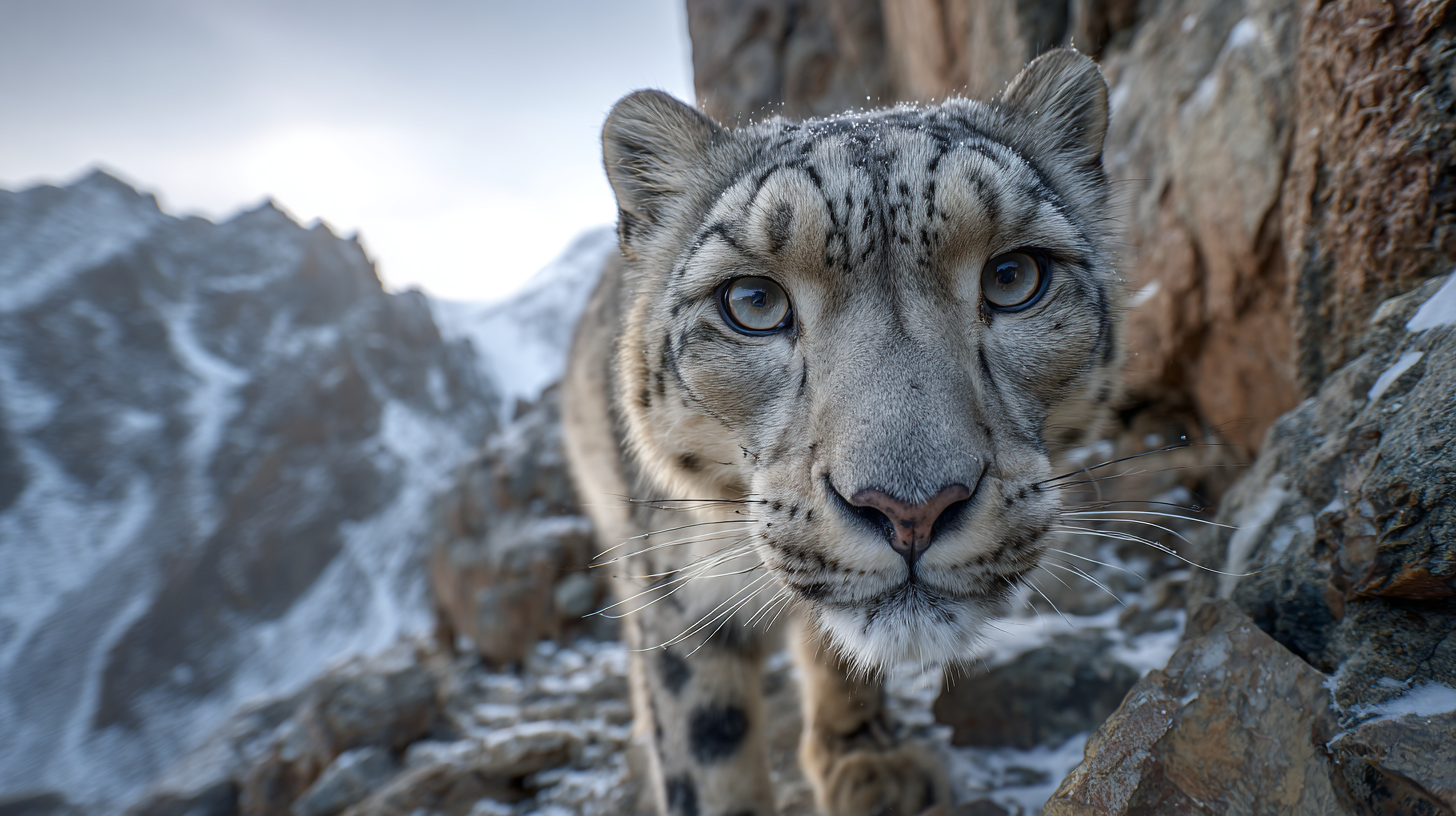
Still, it is better to think of the snow leopard as a quiet guardian of the mountains rather than an animal you are likely to photograph. Responsible nature travel should respect that distance. The real reward is knowing that such a species still belongs to these landscapes. For many visitors, simply walking through the kind of terrain where the snow leopard in Kazakhstan can survive is powerful enough.
Kazakhstan Flora in the Mountains
The flora of Aksu-Zhabagly gives the reserve much of its character. Spring can bring bright displays of wildflowers, including tulips connected to the wider botanical heritage of the western Tien Shan. These are not decorative garden scenes, but living mountain ecosystems shaped by altitude, climate, and seasonal change.
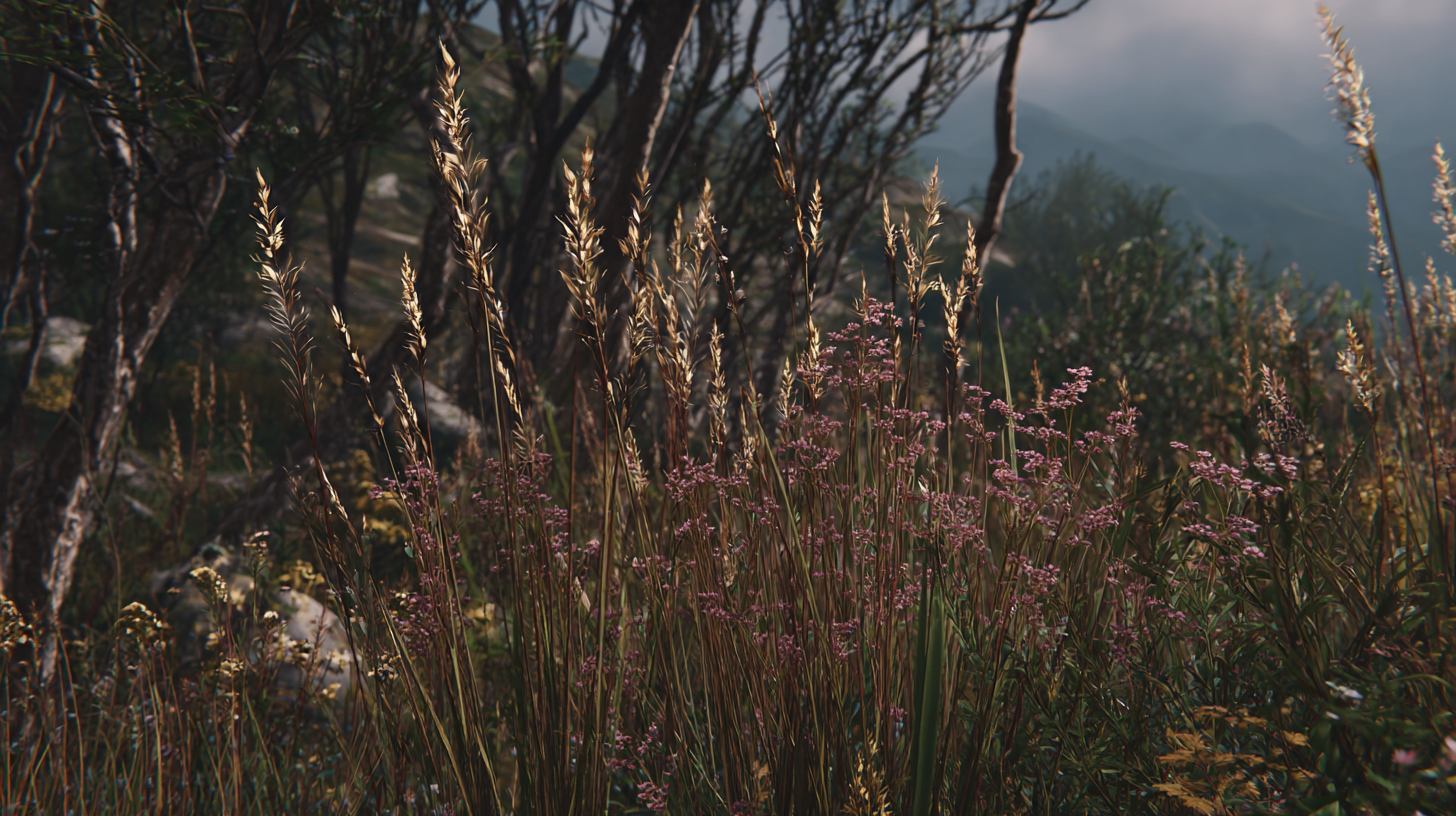
Kazakhstan flora is especially important here because it supports a chain of life that is easy to overlook. Insects depend on flowering plants, birds depend on insects and seeds, and grazing animals depend on grasses, shrubs, and alpine vegetation. Even the juniper forests play a role, offering shelter and structure in a rugged mountain environment. This is what makes the reserve more than a scenic backdrop.
Aksu Canyon: A Landscape Full of Life
Aksu Canyon is one of the most memorable natural features in the reserve. Its steep walls, flowing river, and changing colors give the landscape a cinematic quality. But beyond the view, the canyon also creates microhabitats where plants, birds, and smaller animals can survive in different conditions.
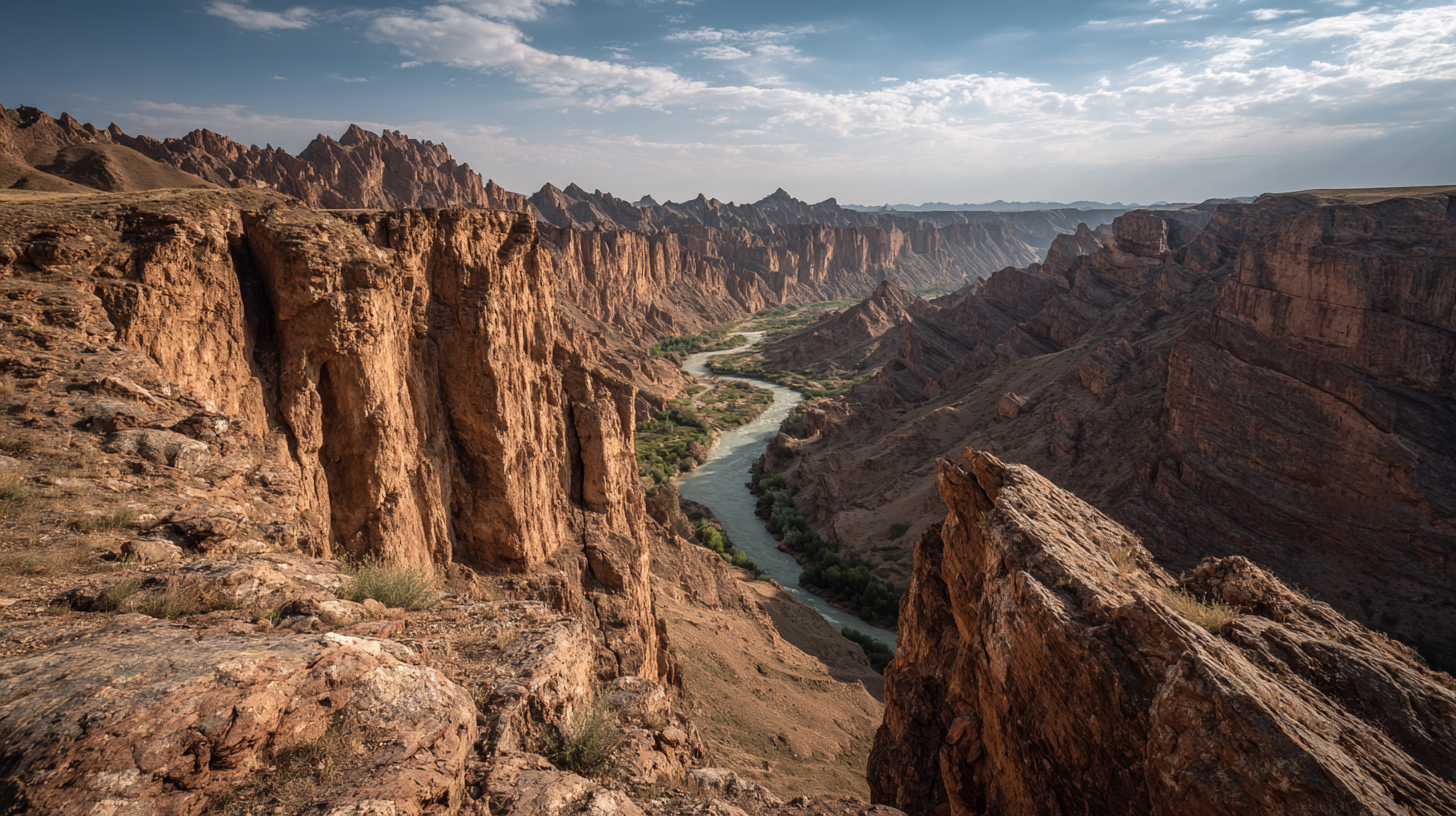
Walking near the canyon, travelers may notice how quickly the environment changes. Dry slopes, greener river zones, rocky outcrops, and patches of vegetation all sit close together. This variety is one reason the Aksu-Zhabagly Nature Reserve feels so alive. It rewards slow travel, quiet observation, and attention to details rather than rushing from viewpoint to viewpoint.
Korgalzhyn Nature Reserve: Wetlands in the Steppe
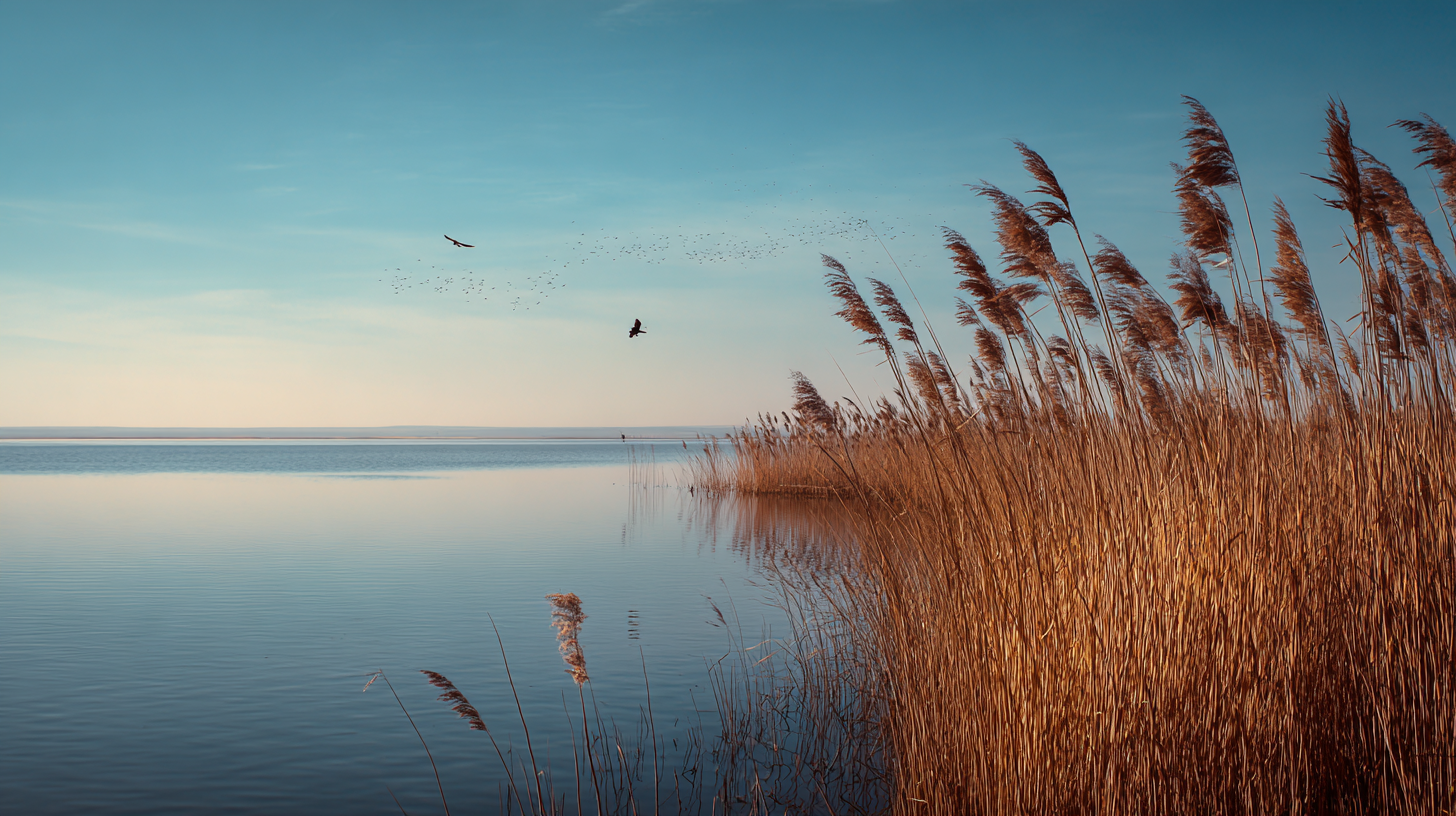
If Aksu-Zhabagly shows Kazakhstan’s mountain wilderness, the Korgalzhyn Nature Reserve reveals the beauty of its wetlands and open steppe. Located in north-central Kazakhstan, Korgalzhyn is part of the wider Saryarka region, recognized by UNESCO for its steppe and lake ecosystems. It is a completely different kind of landscape: wide horizons, shallow waters, reed beds, salt lakes, and skies filled with movement.
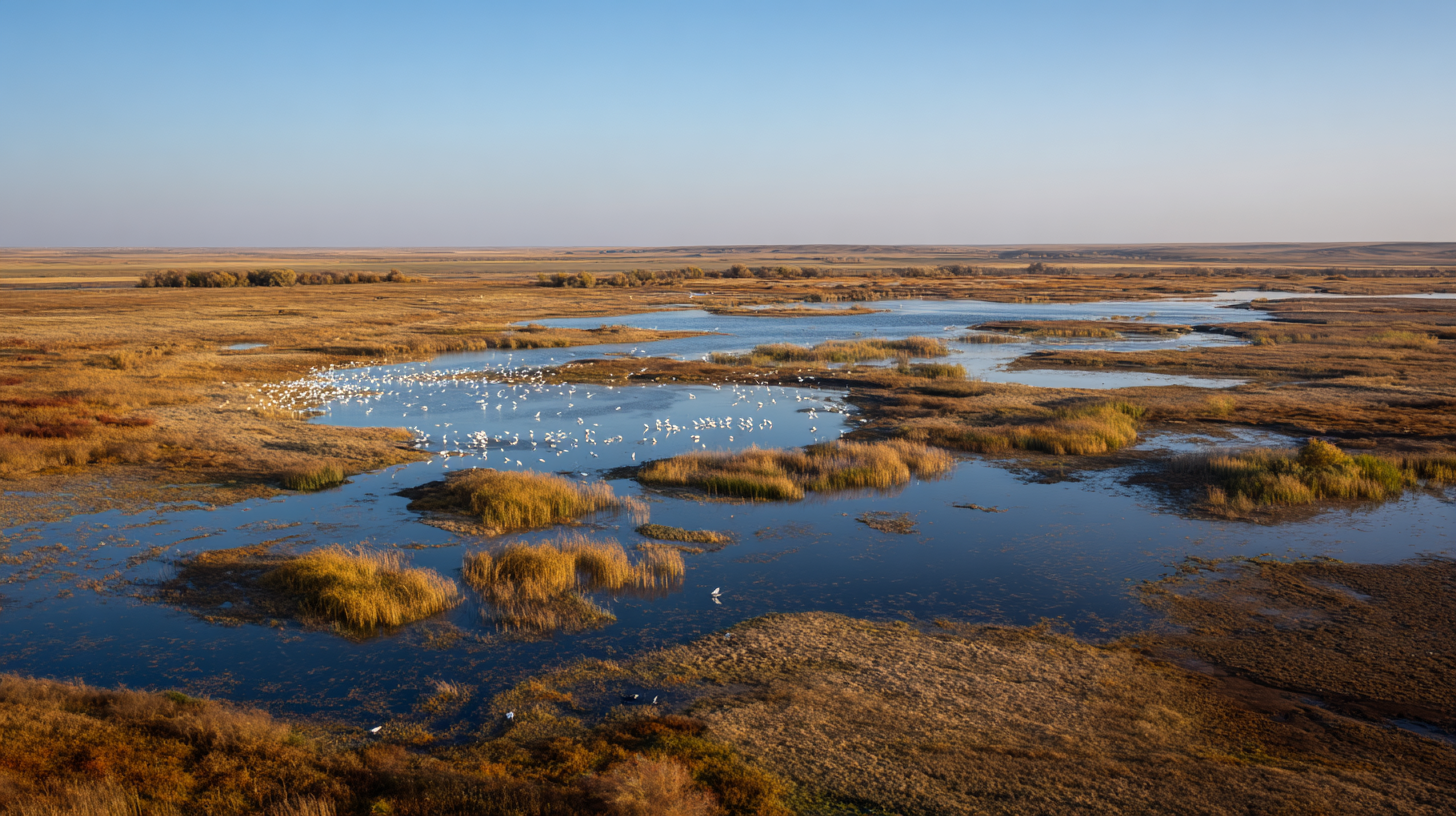
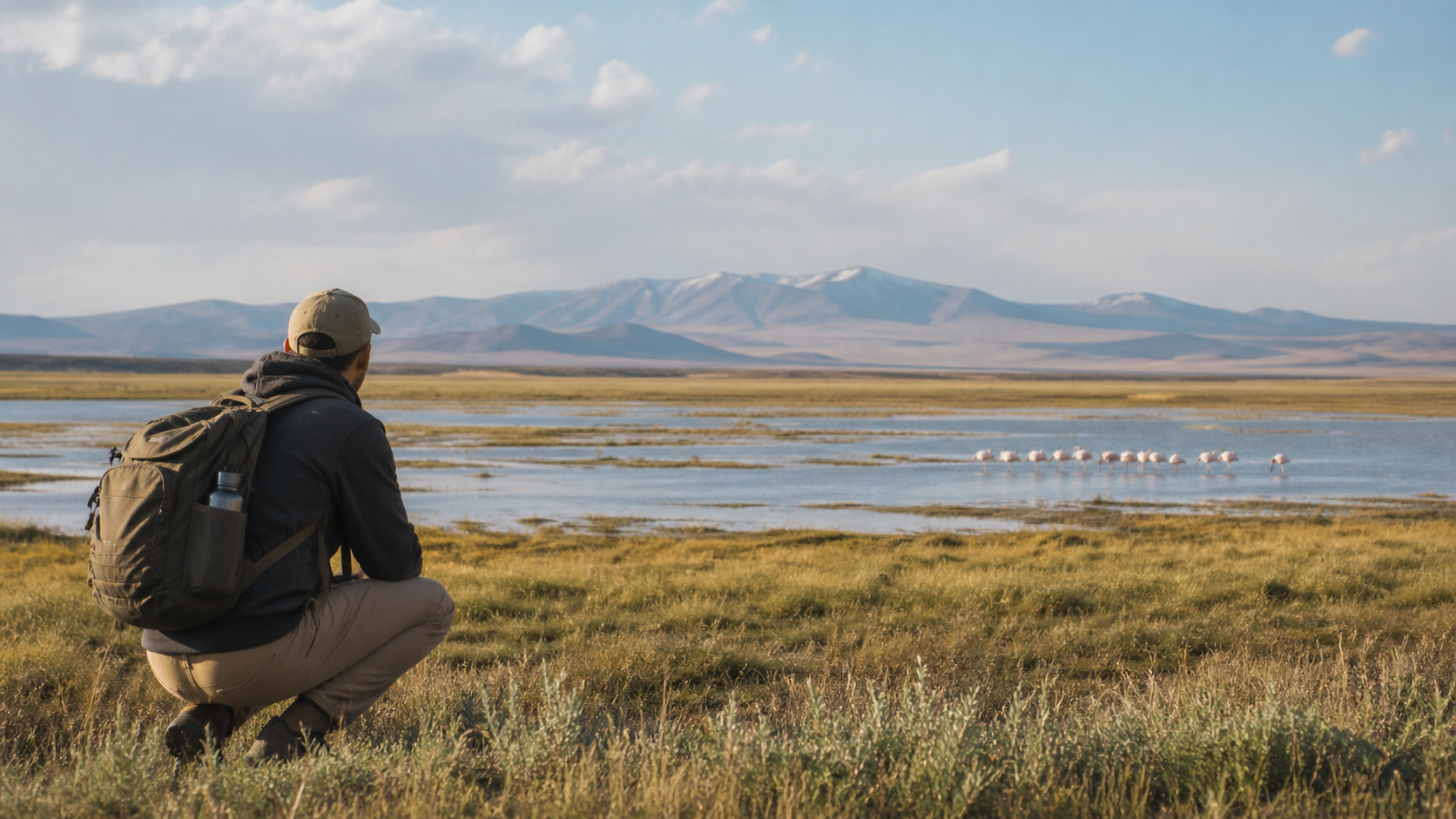
For birdwatchers, this area is one of Kazakhstan’s great treasures. Migratory birds use these wetlands as important stopover and breeding grounds, creating a seasonal spectacle that can feel almost unreal. Flamingos are among the most famous visitors, but they are only part of the story. Pelicans, cranes, ducks, raptors, and many other bird species help make Korgalzhyn one of the most rewarding places for observing Kazakhstan wildlife.
Flamingos, Pelicans, and the Drama of Migration
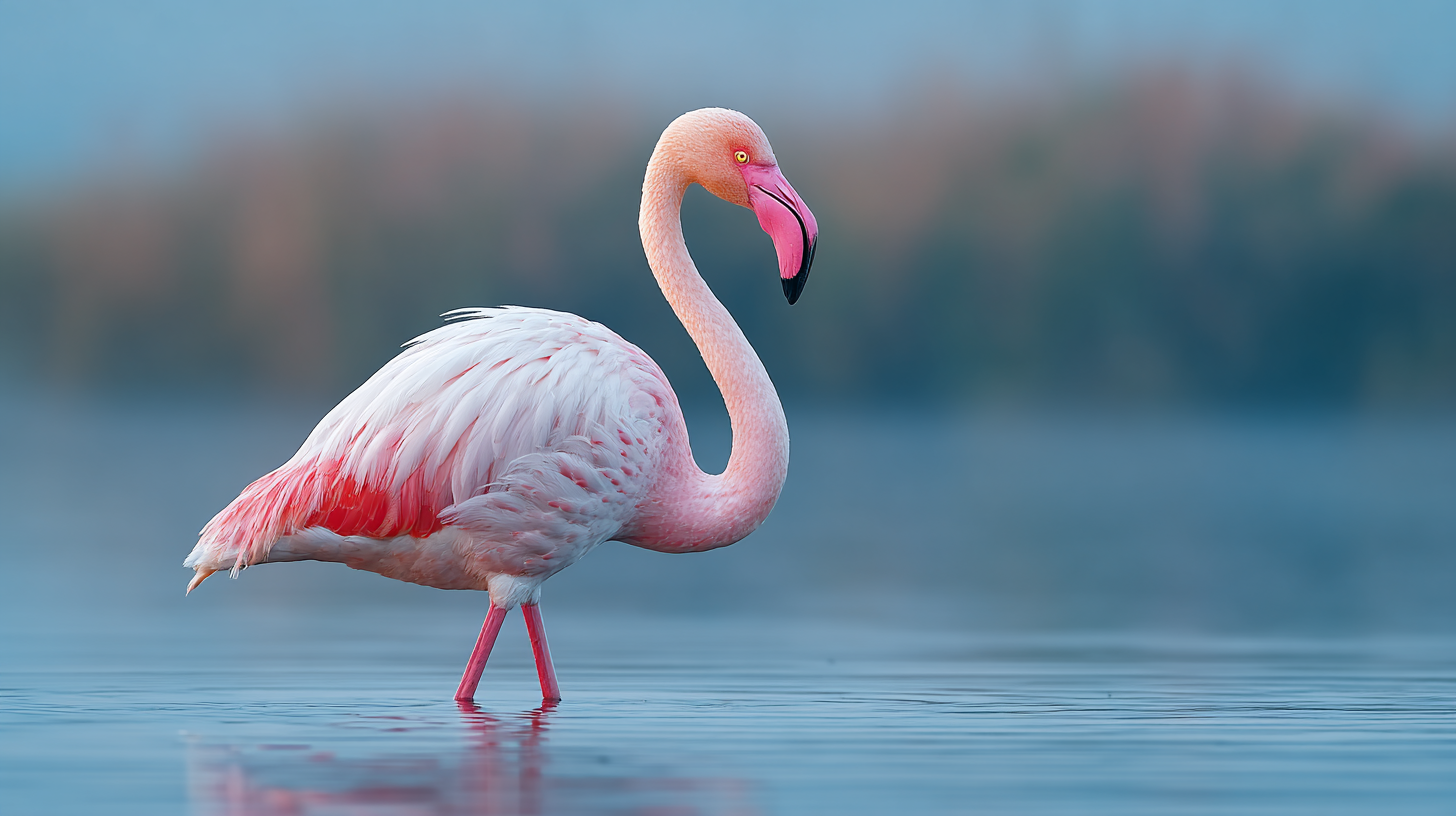
The sight of flamingos in the Kazakh steppe is surprising in the best possible way. Their pink forms against the blue water and pale grassland create an image many travelers do not associate with Central Asia. This contrast is exactly what makes Korgalzhyn so memorable. It feels both delicate and vast at the same time.
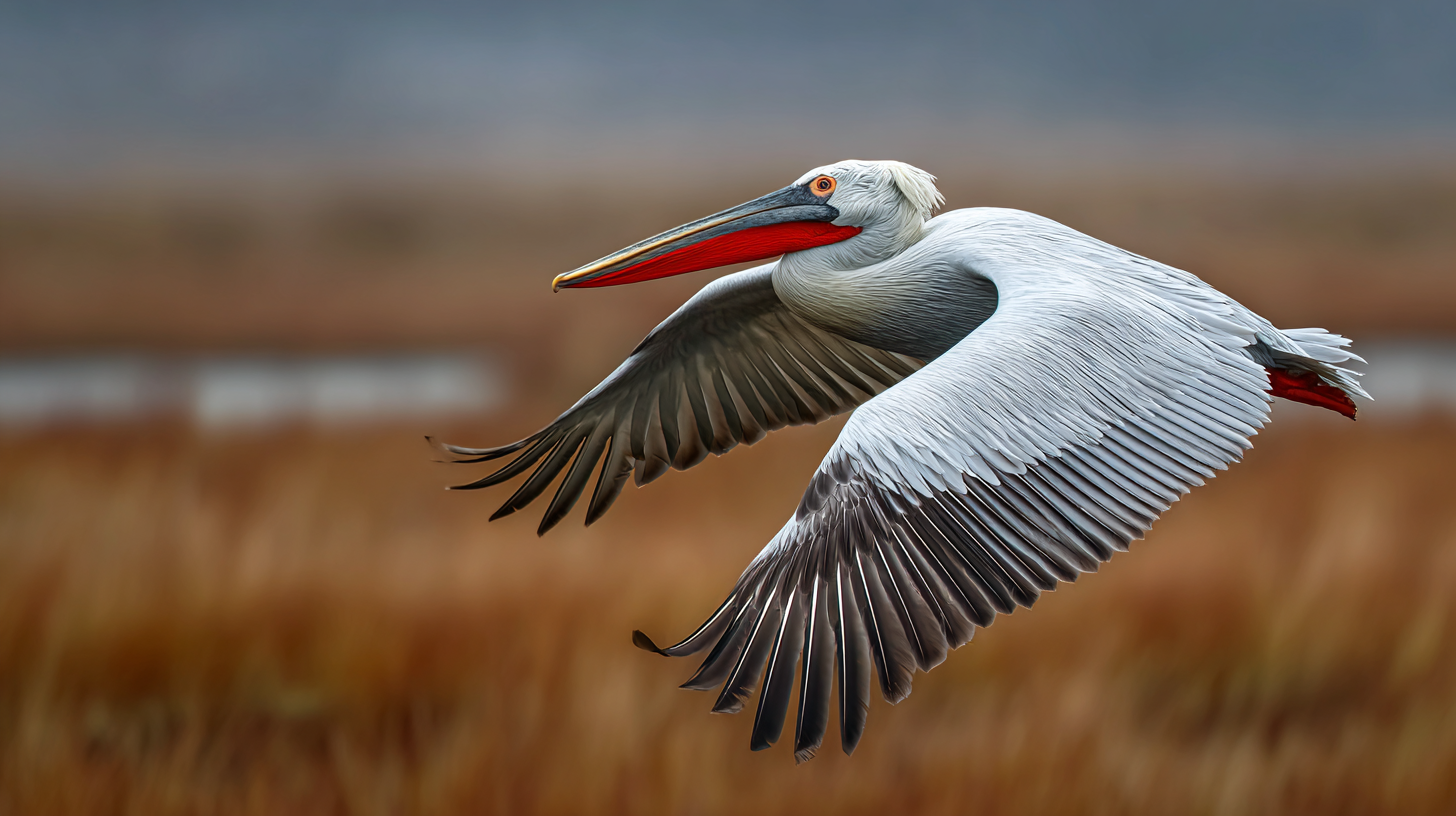
The wetlands also support species such as Dalmatian pelicans and other migratory waterbirds. According to UNESCO’s Saryarka listing, the Korgalzhyn and Naurzum reserves are important for migratory birds along the Central Asian flyway. That gives the region global ecological value, not just local beauty. Visiting with a good guide can turn the experience from simple birdwatching into a deeper lesson in migration, habitat, and conservation.
Steppe Wildlife Beyond the Reserves
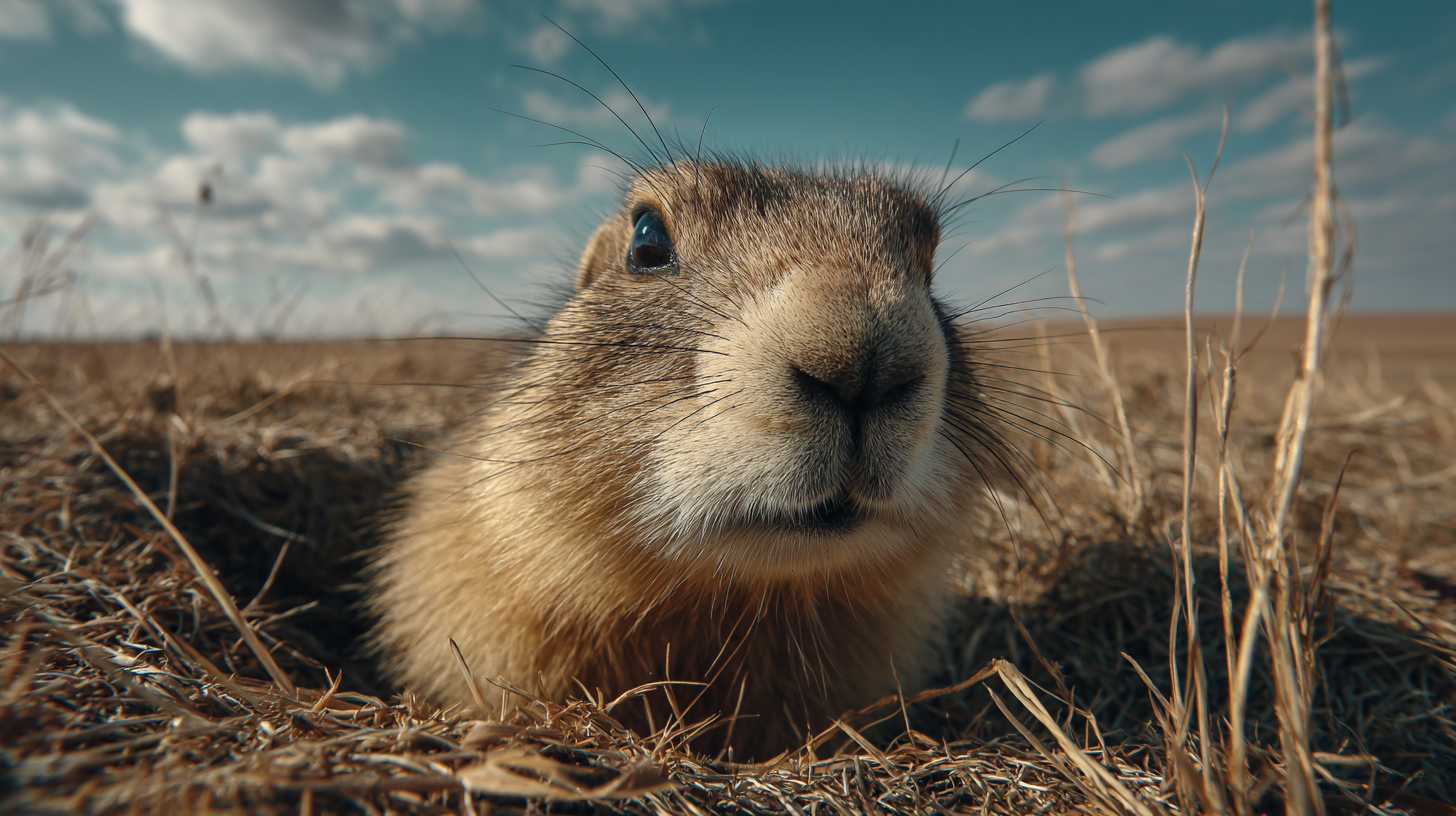
Kazakhstan’s steppe is sometimes described as empty, but that is a misunderstanding. The steppe is subtle, not empty. Its life is spread across huge distances and often moves with the seasons. Marmots, foxes, raptors, rodents, insects, and grazing animals all play a role in this open ecosystem.
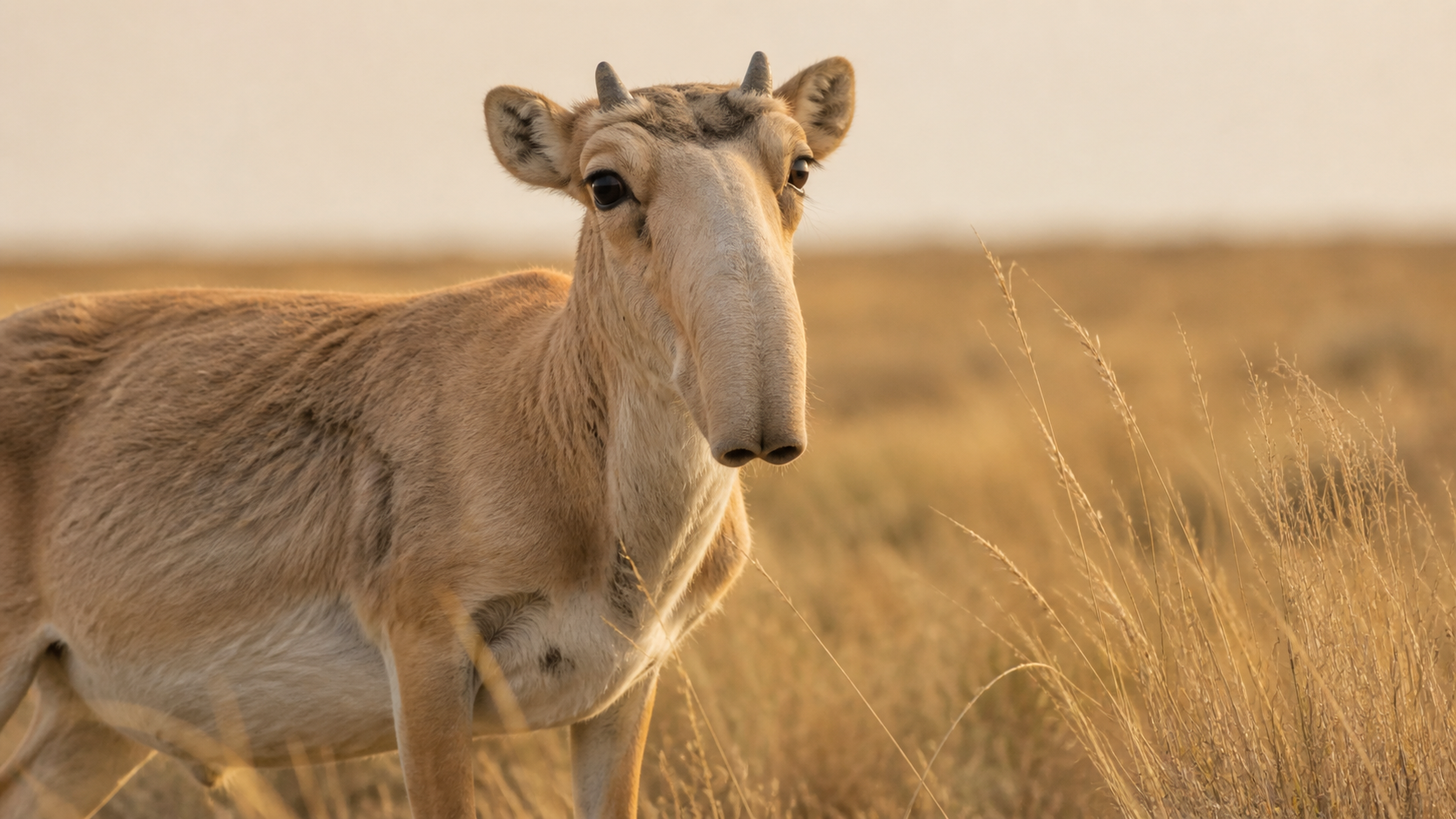
One of the most iconic steppe animals is the saiga antelope, known for its unusual nose and ancient appearance. Saiga populations have faced serious pressure, which makes protected areas and conservation work especially important. In the wider story of Kazakhstan wildlife, the saiga represents both resilience and vulnerability. It reminds travelers that open landscapes can be just as ecologically rich as forests or mountains.
Why Flora Deserves More Attention
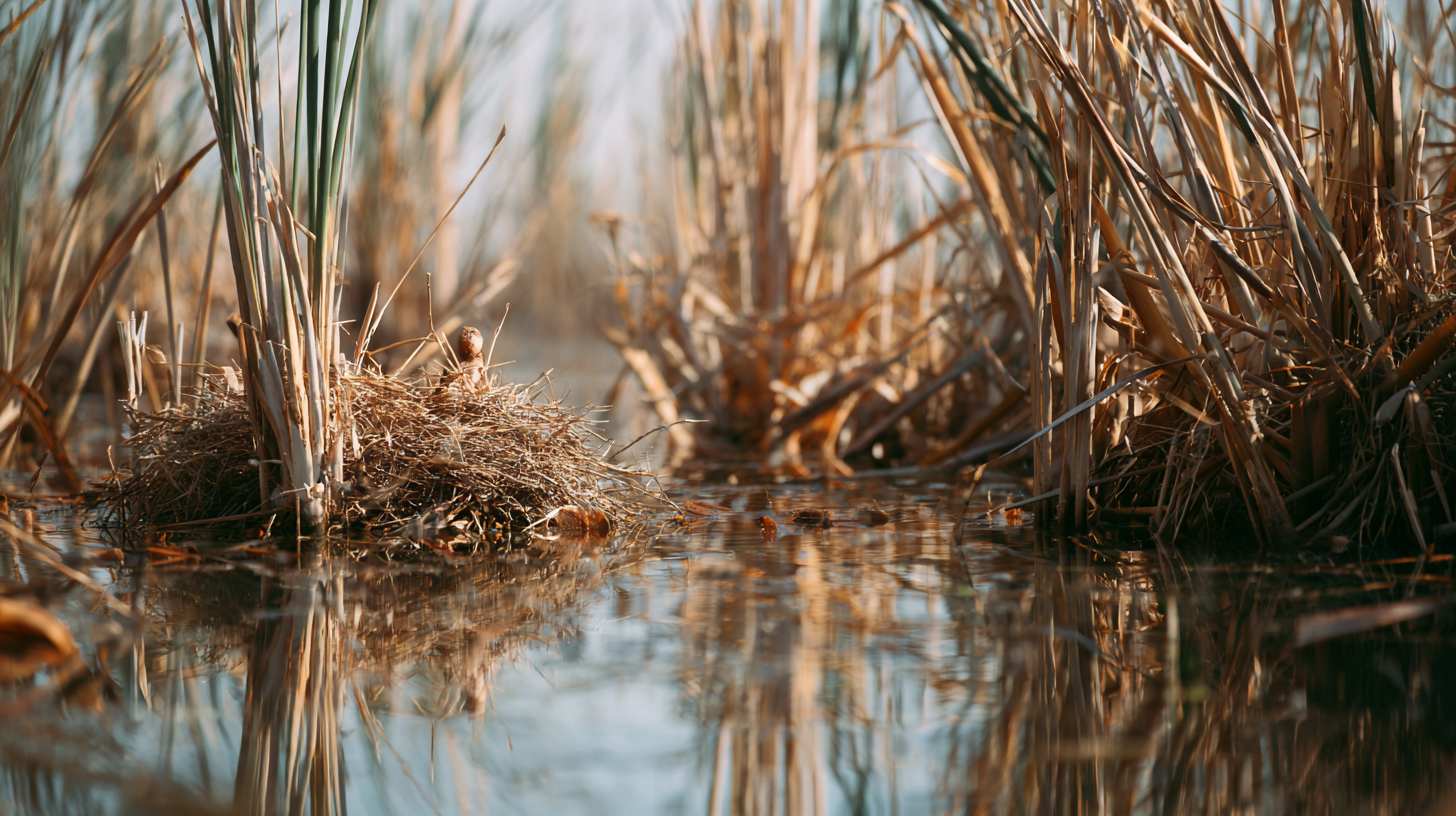
Many wildlife articles focus only on animals, but that misses half the story. Kazakhstan flora is one of the reasons the country’s natural world feels so varied. In the mountains, wild tulips, junipers, grasses, and alpine plants shape the habitat. In wetlands, reeds and aquatic plants create shelter for nesting birds. Across the steppe, grasses and hardy flowering plants support insects, grazing animals, and the predators that depend on them.
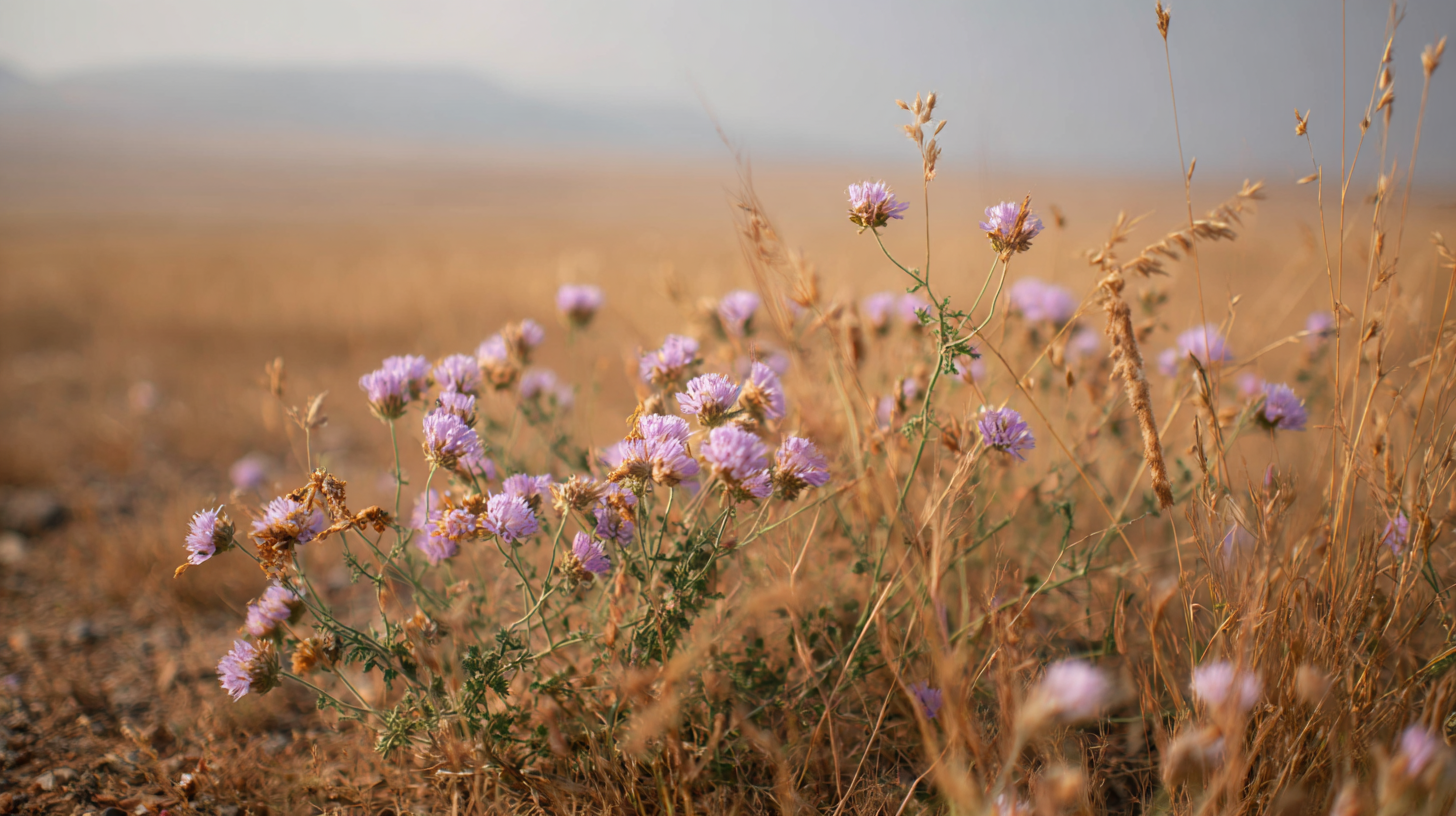
This plant diversity also changes the travel experience. Spring can bring color and movement to landscapes that might seem dry at first glance. Summer reveals the contrast between high mountain greenery and sun-baked plains. Autumn softens the steppe with gold and muted tones. Paying attention to plants makes the journey slower, richer, and more connected to the land.
How to Experience Kazakhstan’s Wild Side Responsibly
Travelers who want to explore these landscapes should approach them with patience and respect. Wildlife sightings are never guaranteed, especially when it comes to rare animals. The best experiences often come from quiet observation: watching raptors ride the wind, listening to birds in the reeds, noticing flowers along a trail, or seeing how the light changes across the steppe.
It is also worth combining nature with active travel. Routes through mountains, canyons, lakes, and open plains connect well with broader outdoor adventures in Kazakhstan. A balanced itinerary can include hiking, birdwatching, photography, scenic drives, and time in protected areas. The key is not to treat nature as a quick stop, but as the main reason to slow down.
Best Time to Visit for Wildlife and Flora
Spring is one of the most rewarding seasons for nature-focused travel in Kazakhstan. In mountain and foothill areas, wildflowers begin to appear, and bird activity increases across many regions. This is a strong time for travelers interested in both animals and plants, especially if the goal is to see the landscape at its most colorful.
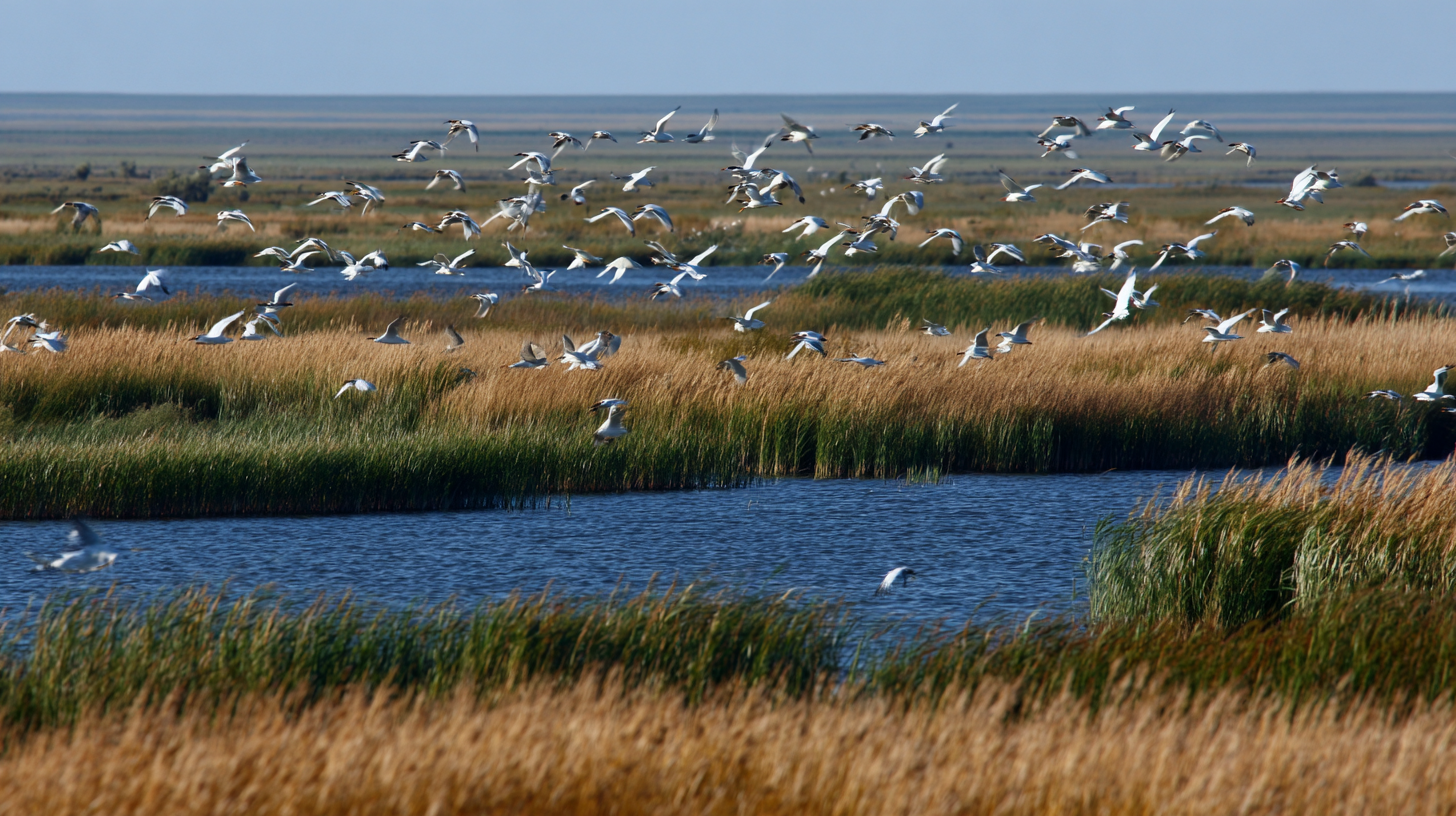
Late spring and early summer can be excellent for birdwatching in wetland areas such as Korgalzhyn. Migration and nesting seasons bring movement, sound, and energy to the lakes. Mountain areas may remain cooler, with higher elevations opening gradually depending on weather. Autumn can also be beautiful, especially for travelers who prefer quieter conditions and softer light.
Conservation and the Value of Protected Areas
The importance of Kazakhstan’s reserves goes beyond tourism. Protected areas help preserve habitats that are difficult to replace once damaged. Wetlands depend on water balance, reed beds, and migration routes. Mountain ecosystems depend on intact slopes, plant communities, prey animals, and minimal disturbance. Steppe ecosystems need space, because many of their species are adapted to movement across wide landscapes.
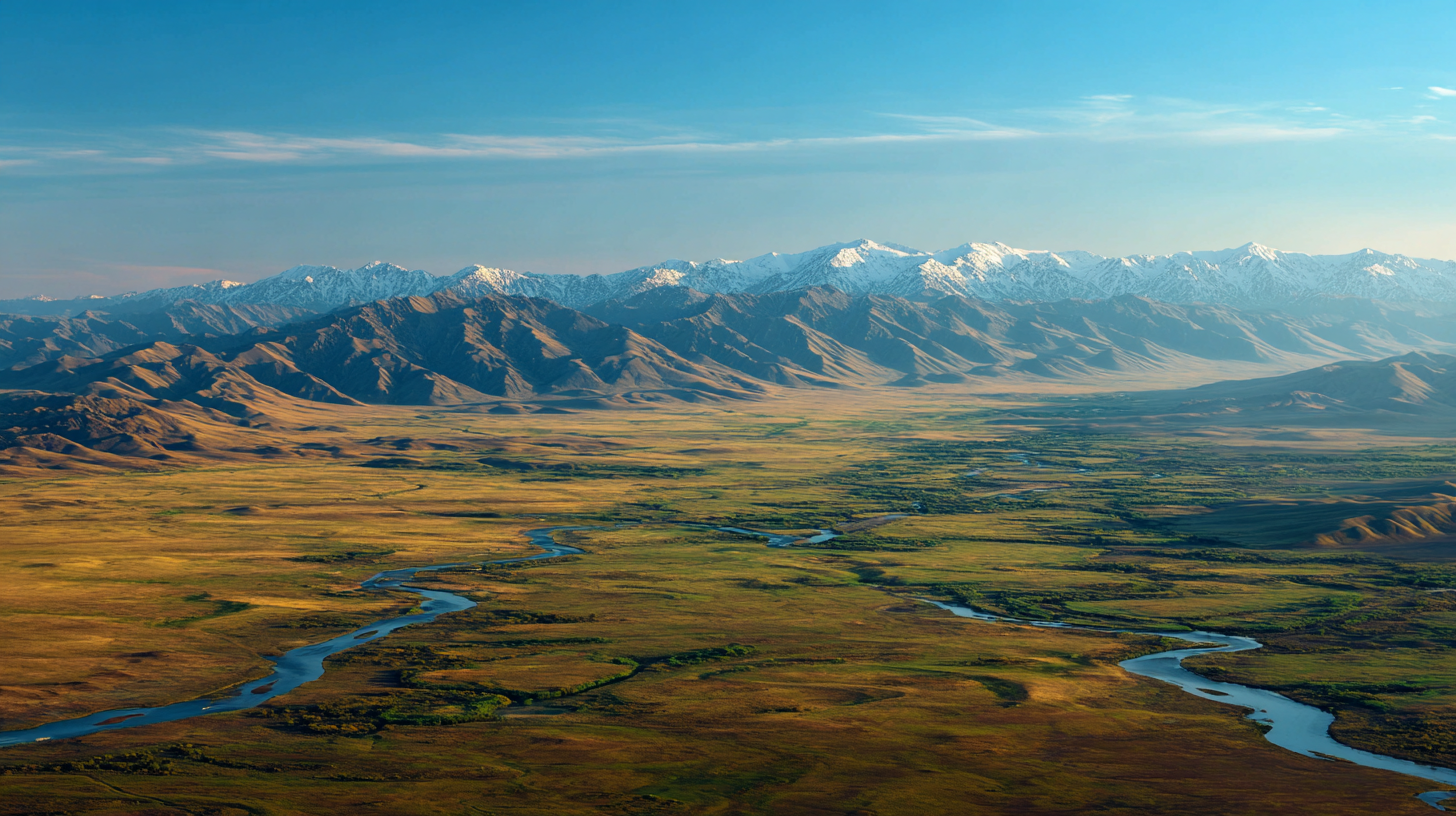
The UNESCO profile of Aksu-Zhabagly highlights the reserve’s remarkable biodiversity, including birds, mammals, vegetation types, fungi, and mosses. This kind of recognition helps show why these places matter internationally. For travelers, it also adds meaning to the visit. You are not just seeing beautiful scenery; you are entering landscapes that protect rare relationships between plants, animals, climate, and terrain.
Conclusion
Kazakhstan wildlife is unique because it belongs to a country of dramatic ecological contrasts. In the mountains of Aksu-Zhabagly, rare predators, ibex, raptors, juniper forests, and wildflowers create a rugged natural world. In the wetlands of Korgalzhyn, flamingos, pelicans, reeds, lakes, and steppe horizons reveal a completely different side of the country. Together, they show that Kazakhstan is not one landscape, but many.
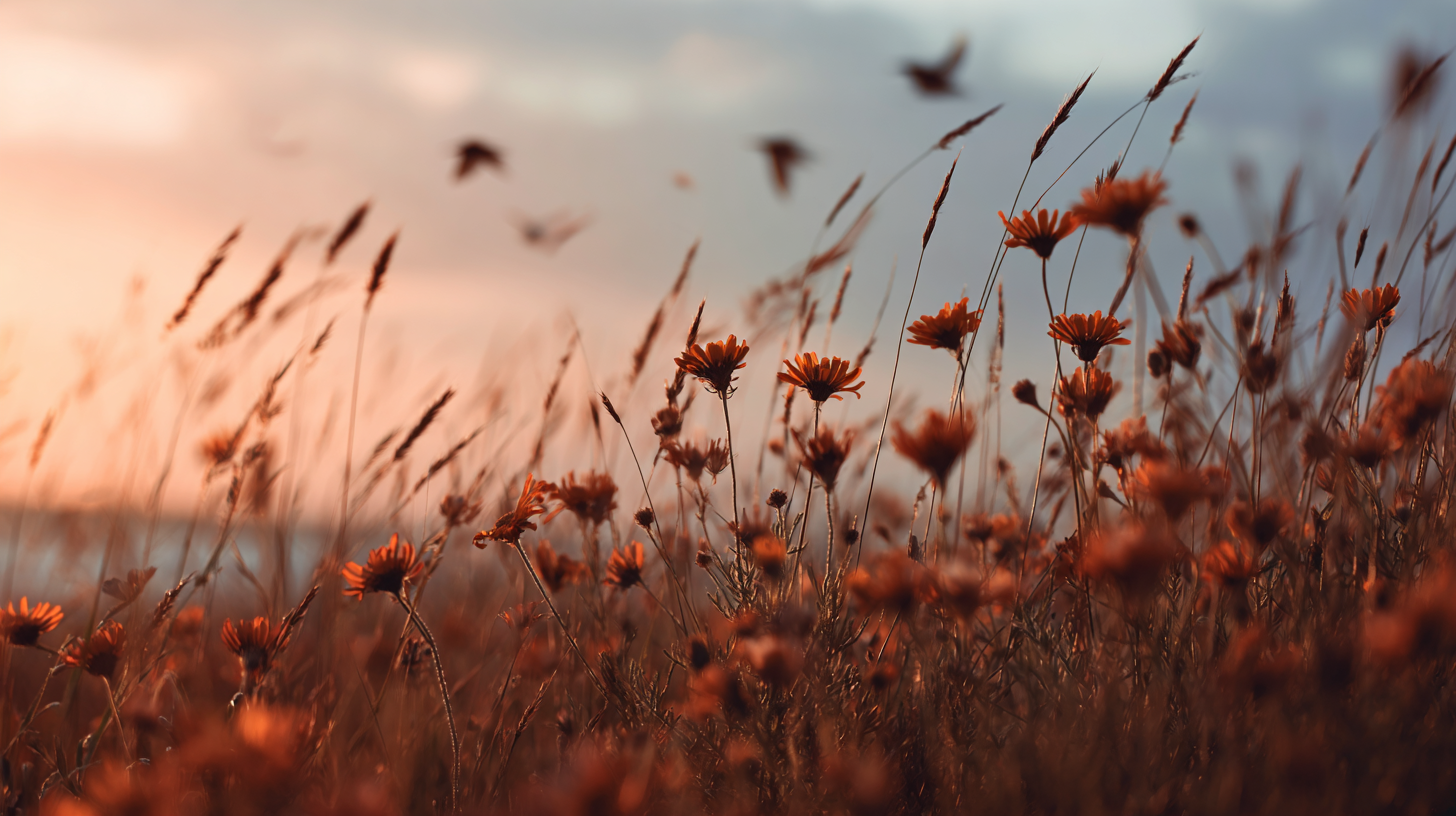
What makes the journey especially memorable is the connection between fauna and flora. The animals may attract attention first, but the plants explain why life can flourish here at all. For travelers willing to slow down, Kazakhstan becomes more than a destination for wildlife watching. It becomes a place to understand how mountains, steppe, water, flowers, birds, and rare mammals all belong to the same living story.