
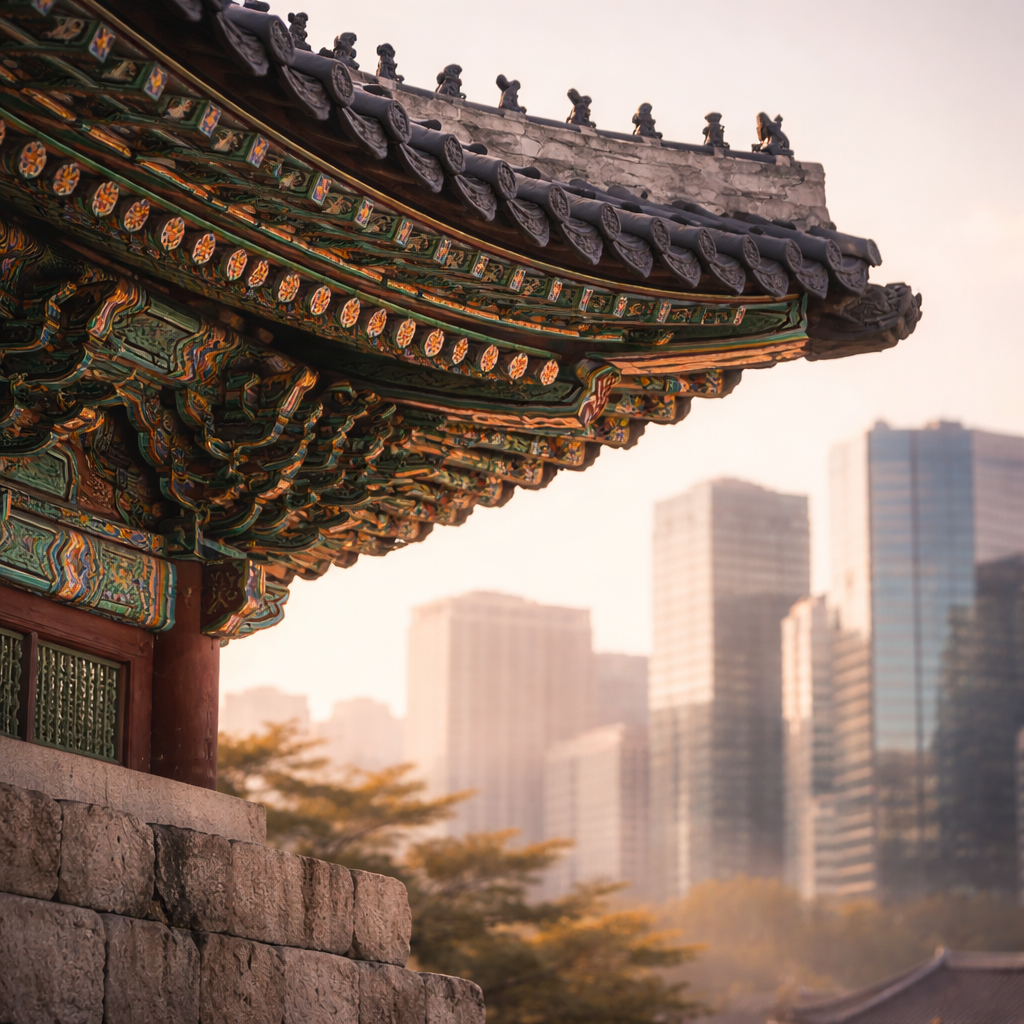
South Korea can feel like a country built at two speeds. One part moves in glass, pixels, and subway lines that arrive with perfect timing, while the other part lives quietly in courtyards, stone gates, and wooden beams that have watched centuries pass. What makes the experience powerful is not that old and new “coexist,” but that they actively talk to each other: palaces sit inside modern neighborhoods, shrines hide behind busy streets, and traditional villages feel lived-in rather than staged. If you want to understand Korea beyond aesthetics, history is the most direct doorway.
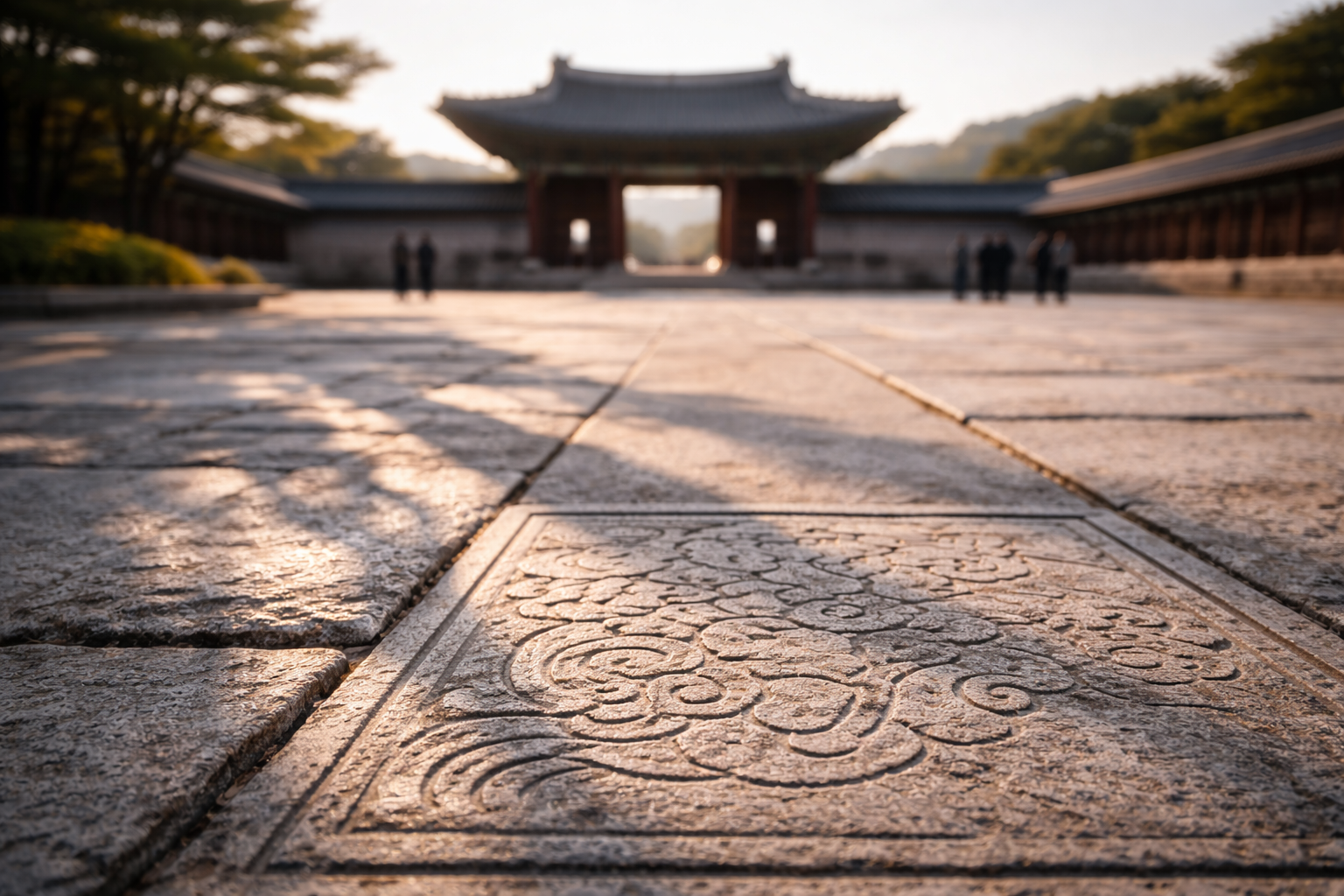
This guide to Korea historical landmarks is designed for travelers who don’t just want to “see a palace,” but want to feel what those places mean. You’ll find the essentials in Seoul, but also the deeper layers that turn a trip into something richer: where to go when you’re tired of crowds, how to build a route that flows, and why certain places carry emotional weight even if they look simple in photos. The goal isn’t to overload you with dates; it’s to help you read the country through places that still hold memory.
Think of Korea’s heritage sites like chapters in a story. Seoul gives you the political and ceremonial core, central Korea offers folk life and preserved neighborhoods, and the southeast carries the ancient heartbeat of kingdoms that shaped the peninsula long before modern borders existed. Add in modern history—more recent, more raw—and the country becomes not a “timeline,” but a living conversation. Let’s walk through it.
Several places mentioned here are recognized on the UNESCO World Heritage list for Korea, which is a handy way to spot the country’s most significant heritage sites.
Seoul’s Royal Core: Where Power, Ritual, and Design Meet
Seoul is the best place to start because it gives you the clearest contrast between past and present without requiring extra travel. The Joseon Dynasty built its ceremonial world in the city’s center, and much of that architecture still defines how Seoul feels today—wide gates, long sightlines, and an intentional relationship between buildings and mountains. The palaces are not simply tourist stops; they are a blueprint for how Korea thought about order, hierarchy, and beauty. Even if you’re not a “history person,” the space communicates.
Explore Gyeongbokgung Palace in Street View — take a virtual walk through this medieval gem.
Gyeongbokgung Palace is the obvious anchor, and it earns that status. It’s grand, symmetrical, and designed to impress, which means you can read it like a statement: this is how a dynasty shows legitimacy. Walking through its gates makes you notice small things—rooflines, painted patterns, stone courtyards—and suddenly you understand that traditional Korea wasn’t “minimal” at all; it was richly coded. If you want one place that makes your first day in Seoul feel meaningful, start here.
Changdeokgung, by contrast, feels less like a political stage and more like a lived environment. The architecture blends into the landscape with a softer logic, and the famous Secret Garden makes the palace feel almost private. The moment you step into those quiet paths, it becomes easier to imagine real routines: study, ceremony, retreat, seasons. If the first palace shows you power, the second shows you how power tried to breathe.
The Quiet Detail: Shrines, Gates, and the Spaces Between Landmarks
The strongest travel experiences often happen in places that aren’t built to entertain you. In Seoul, that’s where shrines and smaller historical sites come in. They may not look “epic” in photos, but they carry the kind of atmosphere that makes you slow down, lower your voice, and feel the weight of continuity. Korea’s heritage is not only architectural; it’s behavioral, and these places help you sense it.
Explore Jongmyo Shrine in Street View — take a virtual walk through this medieval gem.
Jongmyo Shrine is a perfect example of historical simplicity that hits harder than expected. Its long, restrained lines and the surrounding forested calm create a kind of emotional clarity, like the space is designed for memory rather than display. Walking there changes your pace, and that’s the point. It’s history that doesn’t demand attention—it invites it.
Meanwhile, Seoul’s historic gates and old pathways remind you that the city once moved differently. Even if you only catch a glimpse while crossing a road or walking a hill, these fragments make Seoul feel layered. They’re also useful for travel rhythm: short, meaningful stops that break up heavy museum days or long shopping routes. Sometimes the best historical moment is ten minutes of silence in the middle of a loud city.
Bukchon and Hanok Streets: A Past That Still Has Footsteps
If palaces represent state history, hanok neighborhoods represent lived history. Bukchon Hanok Village is one of the most famous, and for good reason: it’s visually striking, walkable, and close to the palaces, so you can build a single day around the old center of Seoul. The rooftops, the narrow lanes, the gentle curves of wooden frames—this is the Korea many people imagine before they arrive. But Bukchon’s real value is that it forces you to think about heritage as something inhabited, not frozen.
Explore Bukchon Hanok Village in Street View — take a virtual walk through this medieval gem.
The best way to experience hanok areas is to treat them like neighborhoods, not theme parks. Walk slowly, take breaks, and pay attention to small details—door handles, courtyard layouts, tiny gardens framed by walls. You’ll also notice the tension between tourism and daily life, which is itself part of modern Korea’s story: how a society protects tradition while living inside global attention. Seeing that tension in real space makes the “heritage debate” feel real.
If you want a similar feeling with fewer crowds, you can look for smaller hanok clusters outside the most famous lanes or visit at off-peak times. The point is not to “collect photos,” but to absorb a different scale of living. Hanok streets are where Korea’s past feels intimate, not monumental—and that intimacy matters.
Beyond Seoul: Suwon and the Fortress City Feeling
Not every historical highlight in Korea is inside the capital, and one of the easiest and most rewarding day trips is Suwon. Its fortress walls give you something Seoul doesn’t: the sensation of a city designed around defense, movement, and perimeter logic. Walking along the walls changes the way you read the landscape because you begin to notice elevation, angles, and visibility—what mattered in a time when safety shaped architecture.
Explore Suwon Fortress in Street View — take a virtual walk through this medieval gem.
Suwon’s fortress experience is also satisfying because it’s physically engaging. You’re not only looking; you’re moving through history at human scale. Towers, gates, and wall segments create a rhythm that feels almost cinematic, especially near sunset when the city’s modern lights begin to appear below you. It’s one of those places where the past doesn’t feel like “another museum”; it feels like an environment.
If you want to balance a fortress day with nature, see my guide to Korea’s mountains and landscapes.
This kind of site is perfect for travelers who want history but also want air, walking, and a sense of exploration. It’s also useful if you’re building a Korea itinerary that mixes city and nature. Fortress routes give you an active history day without sacrificing depth—and they often become a quiet favorite because the experience is so physical.
Gyeongju: When Korea’s Ancient Kingdoms Come Into Focus
If you only see Seoul, you’ve seen a powerful slice of Korea, but you haven’t seen its deepest historical roots. For that, you go to Gyeongju, often called an open-air museum for a reason. Here, the landscape holds ancient stories in a more exposed way: royal tombs rising like green hills, temple ruins that feel contemplative, and artifacts that remind you Korea’s cultural sophistication stretches far back.
Explore Tomb of King Muyeol of Silla in Street View — take a virtual walk through this medieval gem.
Gyeongju’s magic is that it doesn’t rely on one “iconic building.” It creates a mood of long time. You move through spaces where the ground itself seems to remember, and suddenly modern Korea feels like the latest chapter of something very old. It’s especially powerful if you’ve already visited Seoul’s palaces, because you can compare dynasties, aesthetics, and the evolution of cultural identity.
For travelers, Gyeongju also offers balance. It’s calmer than Seoul, it’s easier to wander, and it rewards slow exploration. If Seoul gives you structure, Gyeongju gives you depth. In a guide to Korea historical landmarks, it’s the place that changes the scale of the story—from centuries to millennia.
Jeonju: Traditional Life, Food Culture, and a Living Heritage Scene
Jeonju is where heritage becomes warm and human. The Hanok Village there is famous, but what makes it special is not only the architecture; it’s the way culture feels active. Traditional tea houses, craft shops, local food stalls, and performances create a sense that history is not simply preserved—it’s practiced. Jeonju is less formal than palace culture, and that accessibility makes it emotionally inviting.
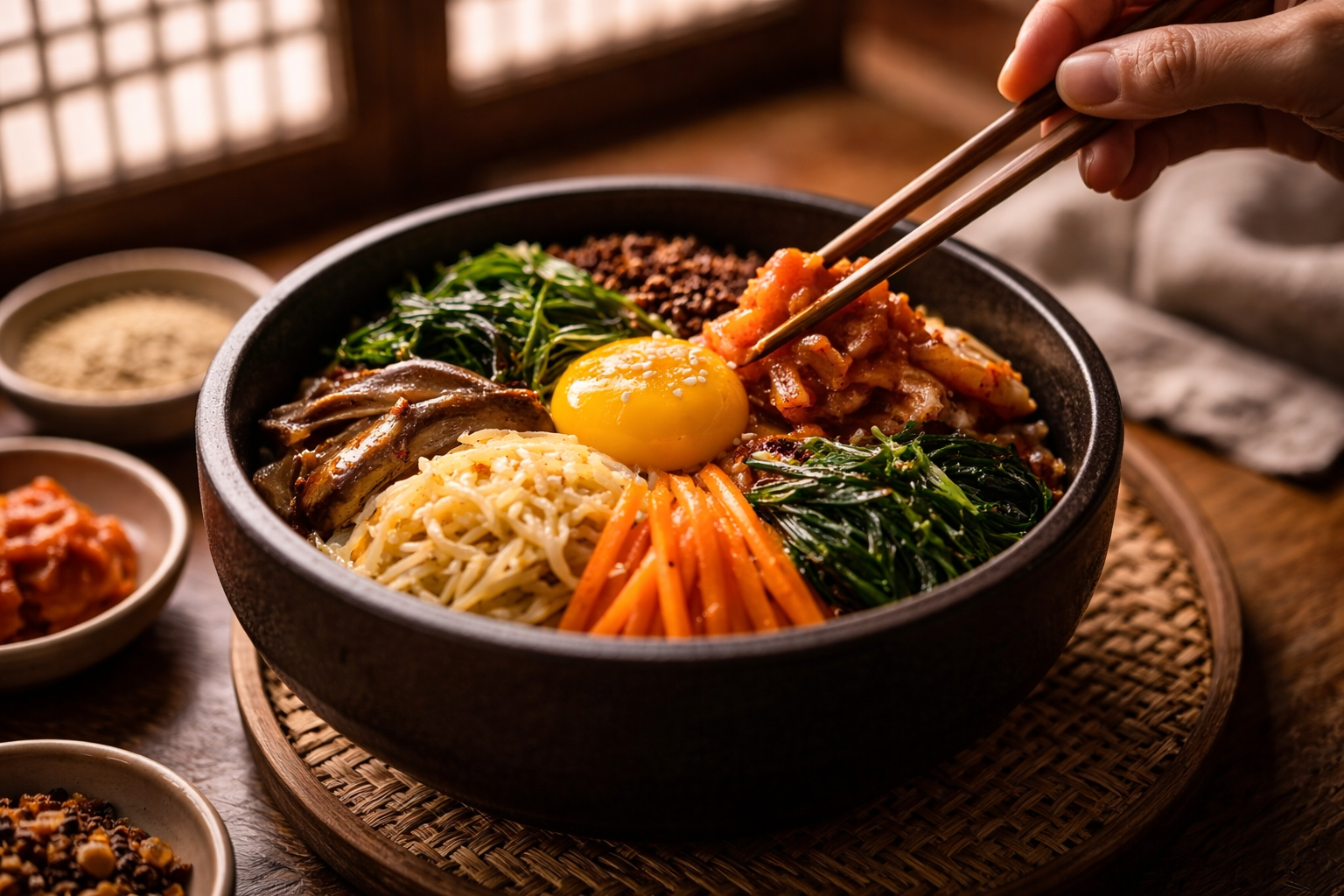
This is also where history connects naturally to food, which is one of the smartest ways to understand Korea. Jeonju is strongly associated with bibimbap and a broader culinary identity, and that matters because cuisine is heritage in edible form. When you eat in Jeonju, you’re not doing something separate from history; you’re participating in it. The experience becomes multi-sensory: taste, smell, street sound, and visual texture.
Jeonju also fits beautifully into a slower travel rhythm. It’s ideal for a day when you want to walk, browse, and let culture come to you without heavy planning. If your trip needs a “soft landing” between intense city days, Jeonju can provide that while still delivering serious cultural value.
Modern History That Hits Hard: The DMZ and the Weight of Recent Memory
Korea’s story isn’t only royal and ancient—it’s also modern, divided, and emotionally complicated. The DMZ is the most direct place to confront that reality. It’s a site where geopolitics becomes physical: fences, checkpoints, guarded landscapes, and a sense of tension even when the day feels calm. For many travelers, it’s the most sobering experience in the country, precisely because it’s not “old history”—it’s a living situation.
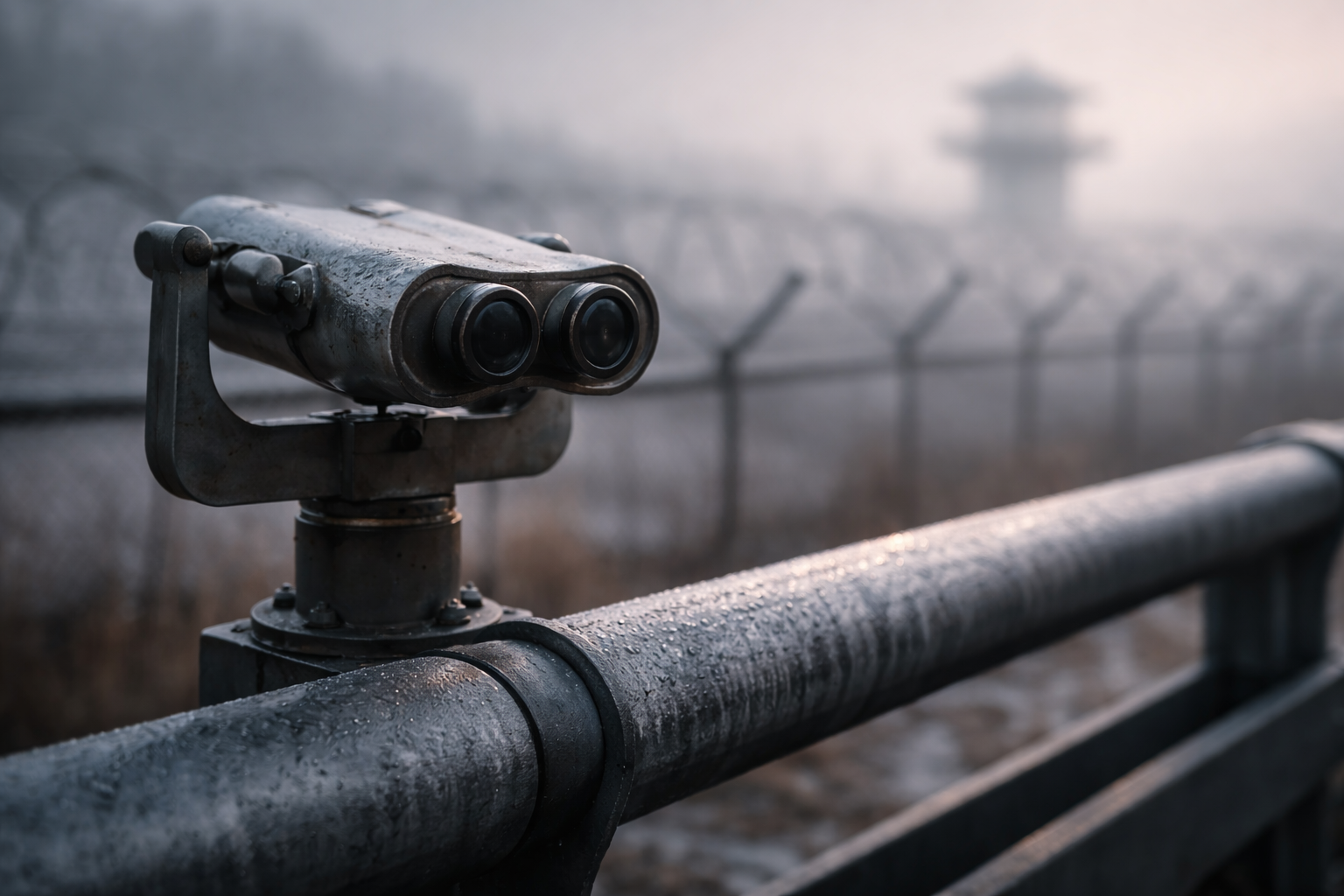
A DMZ tour can feel structured and controlled, and that’s part of the experience: you move through a carefully managed narrative of security, memory, and hope. What matters is not only the sights, but the emotional contrast between the serenity of the landscape and the reality of division. It’s a place that forces reflection, especially if you’ve spent the previous days in Seoul’s high energy and modern comfort. The DMZ reminds you that modern Korea was shaped under pressure.
[GetYourGuide Tip]: Short on time? Book a guided DMZ tour from Seoul—transport, timing, and key viewpoints are handled for you.
If you do visit, go with the mindset of learning rather than “checking a box.” Listen to the guides, pay attention to small details, and allow space for discomfort. The value of the DMZ is not entertainment—it’s understanding. And in a travel story, understanding is often what makes a destination stay with you.
How to Build a Historical Route That Feels Smooth, Not Exhausting
The biggest mistake people make with history travel is stacking too many heavy sites back-to-back. Palaces, museums, memorials, long day trips—if you overload the schedule, even beautiful places blur together. Korea rewards structured pacing because the contrast between sites is meaningful, but only if you allow your brain to process it. The secret is to alternate “monument” experiences with “neighborhood” experiences.
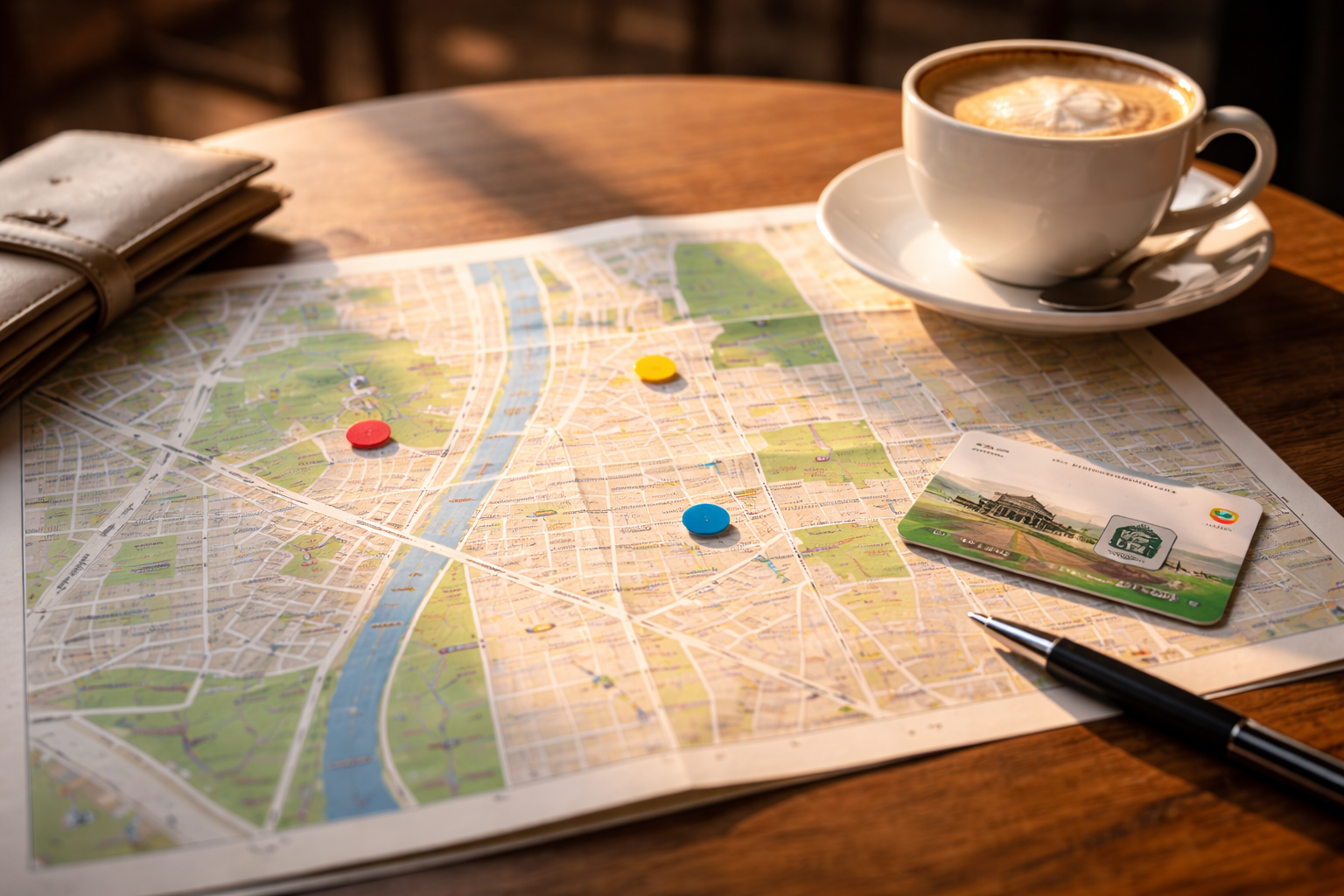
A strong Seoul history day can look like this: one major palace, one quieter shrine or gate area, then a hanok neighborhood walk with food breaks. That rhythm gives you power, silence, and daily-life heritage in one arc. If you want to add a museum, put it on a separate day or use it as a rainy-day fallback so it doesn’t turn your itinerary into a lecture marathon. The goal is to keep wonder alive.
Outside Seoul, think in chapters rather than in points. Suwon is a movement chapter, Gyeongju is a depth chapter, Jeonju is a living-culture chapter. When you frame travel this way, you stop feeling like you’re “behind schedule.” You start feeling like you’re reading Korea properly.
Practical Tips That Make Historic Travel Better
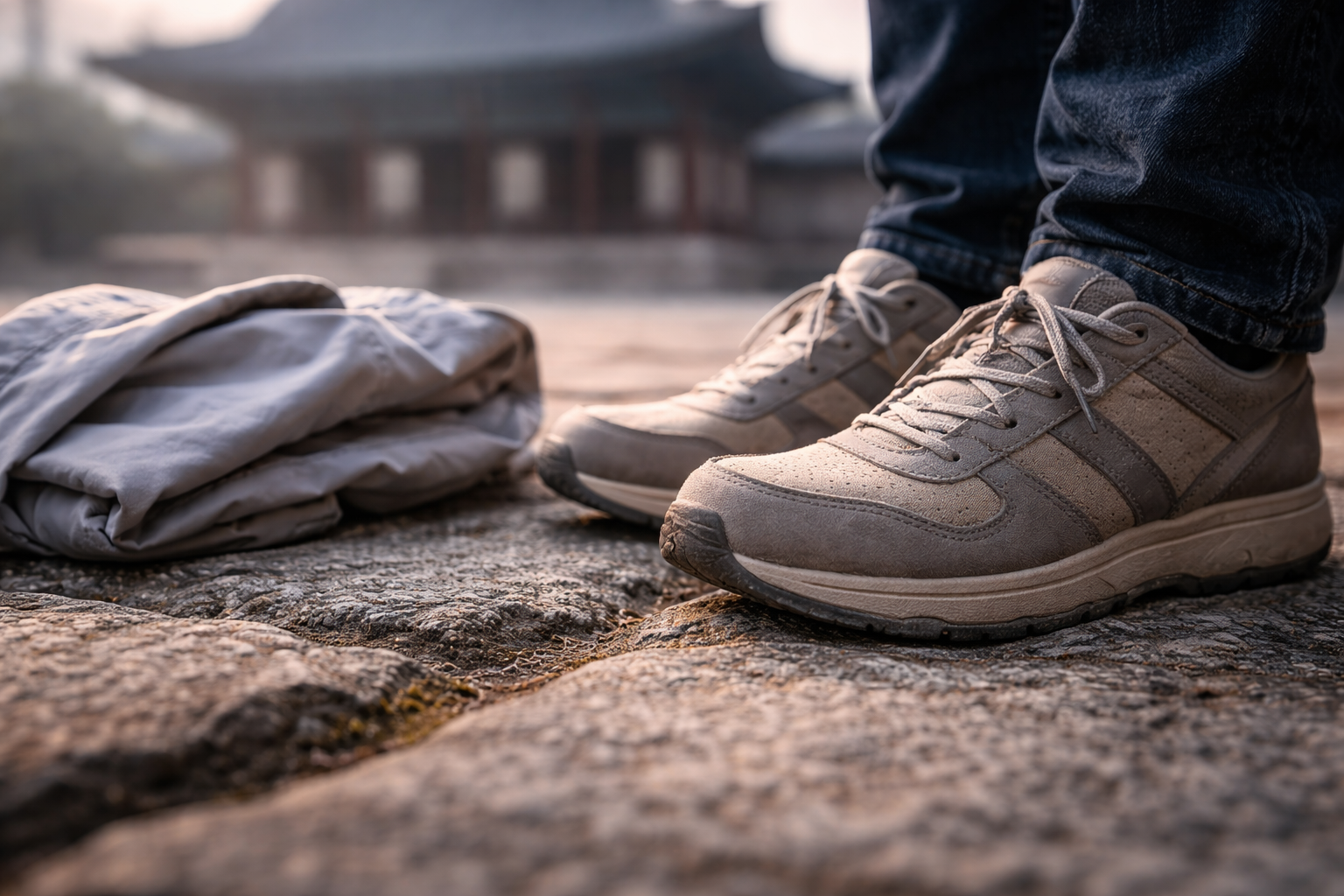
Heritage sites in Korea are generally visitor-friendly, but a few small choices can radically improve your experience. Go earlier in the day if you want calm light and fewer crowds, especially at the major palaces. Wear shoes you can walk in for hours, because many historic areas are best understood on foot. Bring a light layer, because courtyards and gardens can be breezy even when the city feels warm.
Also, treat silence as part of the culture. Shrines and memorial spaces are not photo sets; they’re emotional environments. You’ll enjoy the experience more if you allow it to slow you down. This also makes your content better: photos and writing become more grounded when you’ve actually absorbed the place.
Finally, don’t underestimate the value of guided context—whether that’s a simple audio guide, a short guided tour, or a well-made museum exhibition. You don’t need to become an expert, but even a small amount of context makes architecture and ritual details come alive. That’s how Korea historical landmarks stop being “pretty buildings” and become story.
Conclusion: Why Korea’s Landmarks Feel Different
South Korea’s historical sites matter because they don’t sit outside the present—they sit inside it. You look up from a palace courtyard and see modern buildings, and instead of ruining the mood, it tells the truth: Korea didn’t leave its past behind, it carried it forward. The landmarks are not isolated relics; they are anchors that help the country stay legible under rapid change. That’s why they resonate.
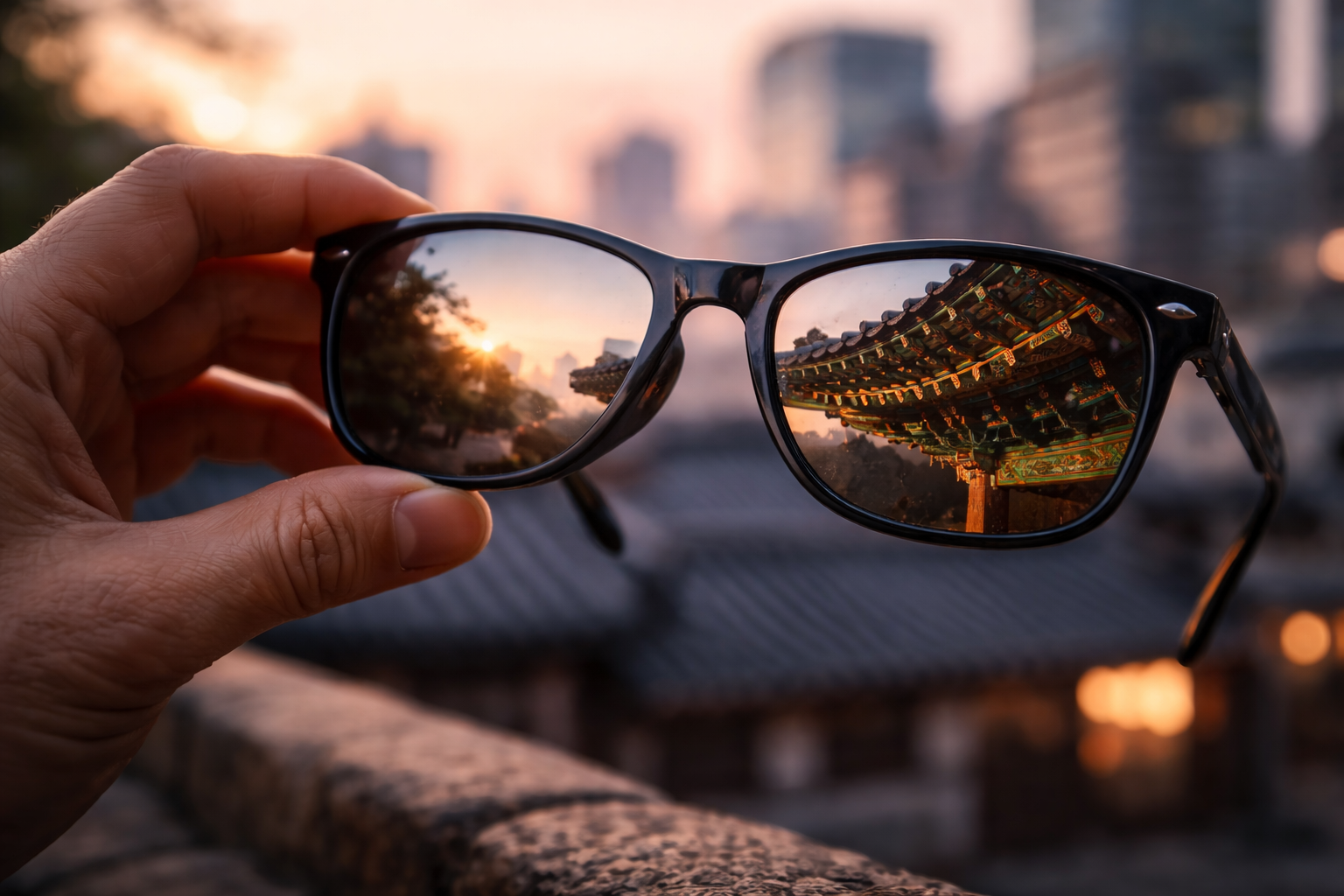
If you travel with that mindset, your trip becomes richer. You stop chasing highlights and start seeing relationships: royal logic in city planning, spiritual logic in landscape choices, folk logic in food and craft. You don’t need to visit everything to understand Korea—you just need to visit the right places with attention. That attention is what turns travel into memory.
Use this guide as a foundation, and then go deeper where your curiosity pulls you. Whether you start in Seoul, wander through Jeonju, climb fortress walls, or reflect at the border, you’ll come away with something more valuable than photos: a clearer sense of how Korea became itself.