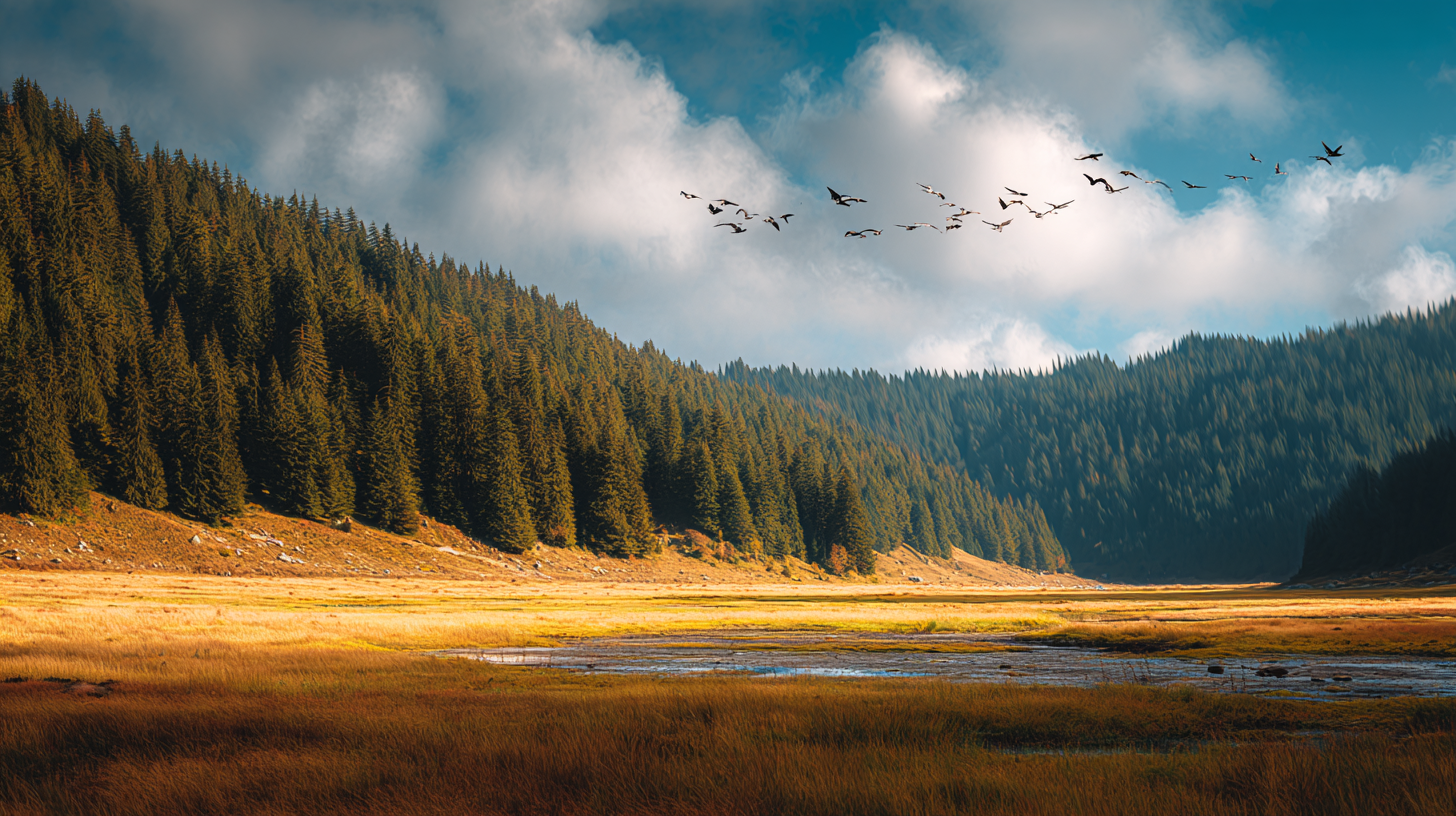
Romania is often introduced through its medieval towns, castles, and Transylvanian legends, but one of the country’s greatest treasures lies far from its best-known cultural icons. It is a land of old forests, high mountains, river gorges, wetlands, meadows, caves, and one of Europe’s richest delta ecosystems. For travelers who are drawn to landscapes as much as architecture, Romanian wildlife offers a much deeper and more surprising story than many people expect. This is a country where nature still feels large, layered, and genuinely alive.
What makes Romania stand out is not only the presence of charismatic species, but the extraordinary range of habitats packed into one destination. The Carpathians shelter large mammals and old-growth forests, the Danube Delta supports remarkable birdlife and wetland ecosystems, and the hills, plains, and rural landscapes in between create ecological transitions that are just as important as the headline destinations. This variety makes Romania feel less like a single nature region and more like a collection of distinct worlds joined together. For wildlife lovers, that is precisely what makes the country so compelling.
A strong article about Romania’s wild side should therefore avoid reducing it to a simple list of animals. The real fascination lies in how geography, climate, and relative wildness still allow so many species and landscapes to coexist. Romania is one of the rare places in Europe where nature can still surprise travelers with a sense of scale and unpredictability. That gives the experience emotional weight as well as ecological interest.
Why Romania Is One of Europe’s Most Underrated Nature Destinations
Romania rarely receives the same level of international attention as some of Europe’s more famous outdoor destinations, yet in ecological terms it is one of the continent’s most impressive countries. One reason is the unusual continuity of its natural landscapes. The mountains still connect to forests, the forests still connect to river valleys, and many traditional rural areas retain a lower-intensity relationship with the land than is common elsewhere in Europe. This continuity helps support biodiversity on a scale that feels increasingly rare.
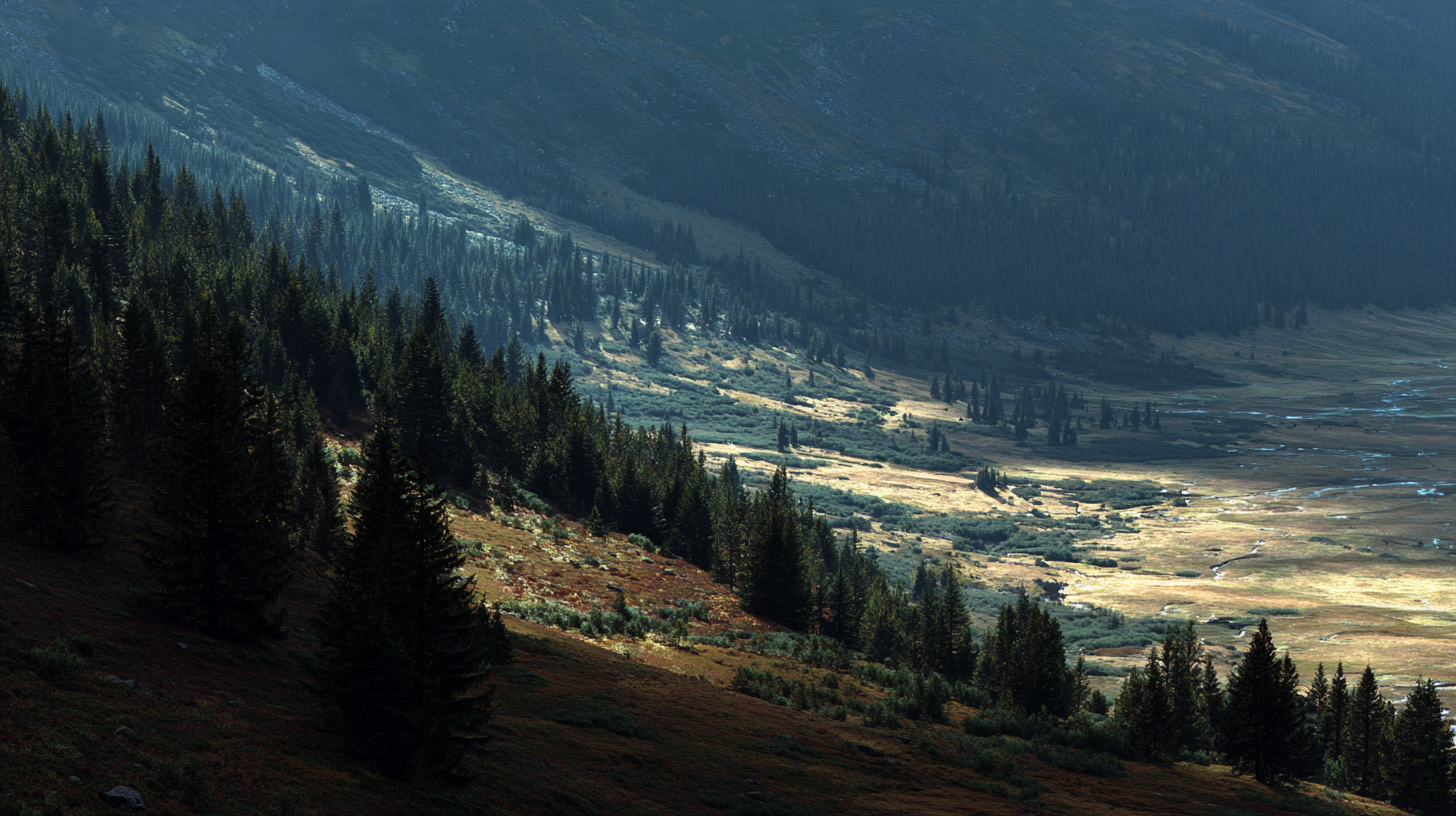
Another reason Romania feels so distinctive is that its landscapes have not been entirely polished into postcard scenery. There is beauty here, certainly, but also roughness, silence, and a sense of untamed space. The country still contains places where human settlement feels secondary to the terrain rather than the other way around. That is a large part of why Romanian wildlife is so appealing to travelers looking for something more authentic than manicured nature tourism.
Romania also benefits from contrast. The same journey can include dark mountain forests, open alpine meadows, marshes full of waterbirds, dramatic limestone gorges, and villages where agricultural traditions still shape the surrounding environment. That contrast gives the country a kind of ecological rhythm that keeps the travel experience from becoming repetitive. It is not just wild, but richly varied.
The Carpathians: The Wild Backbone of the Country
The Carpathian arc is central to any understanding of Romania’s natural identity. These mountains do more than provide scenic views; they create the ecological backbone of the country and support some of its most important wildlife habitats. Large forested slopes, remote valleys, and rugged uplands make the region one of the strongest remaining refuges for wild mammals in Europe. This is where the scale of Carpathian Mountains wildlife becomes impossible to ignore.
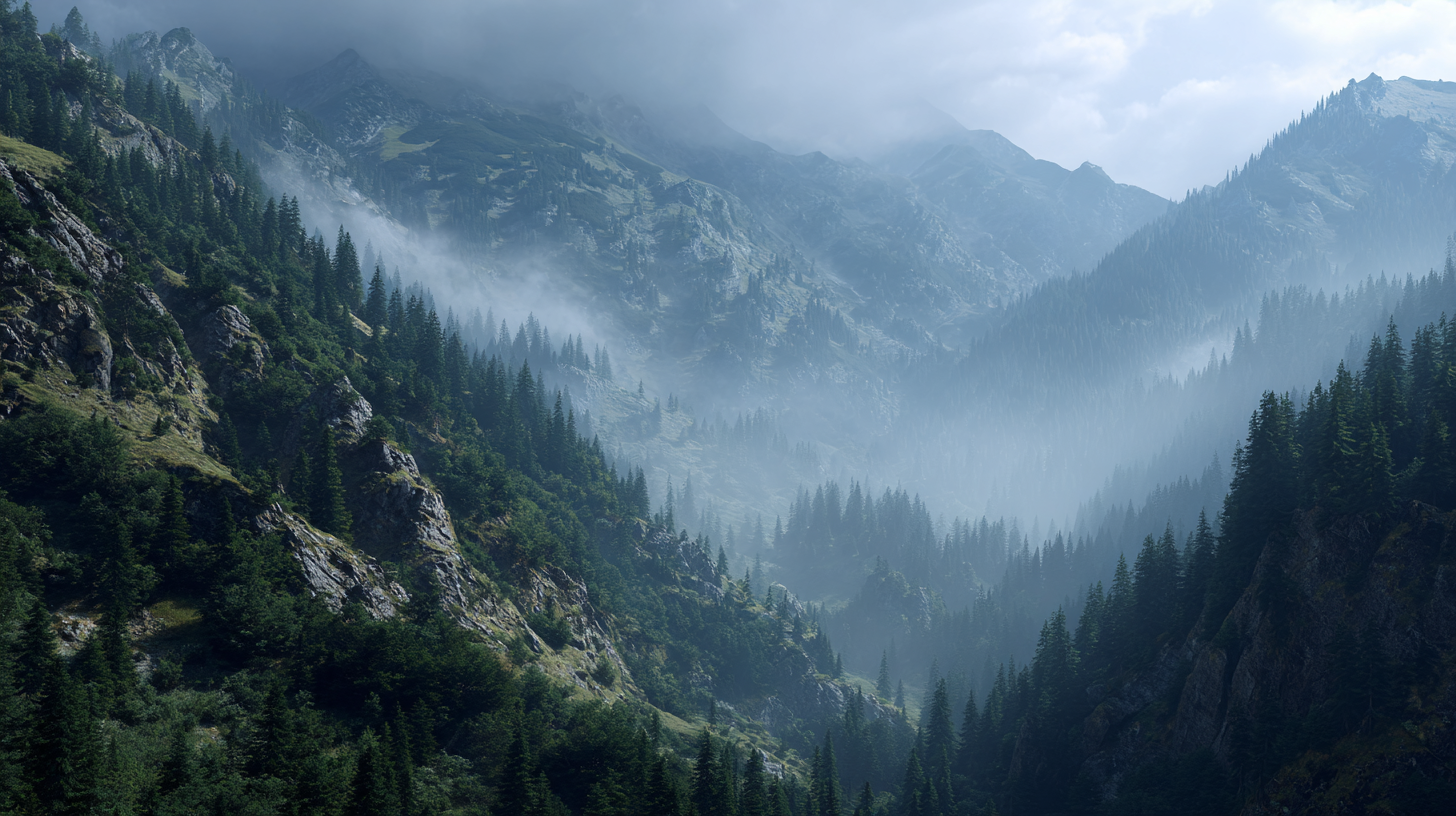
The Carpathians are especially significant because they hold together so many different ecological layers at once. Dense forests dominate many slopes, but above them lie meadows, rocky ridges, and highland environments that support different plant and animal communities. Rivers and streams cut through these systems, creating corridors that help species move and survive. The result is a landscape that feels alive not in one uniform way, but through many overlapping habitats.
For travelers, the Carpathians are also where Romania’s nature story becomes most dramatic. The mountains convey a sense of space and mystery that is difficult to find elsewhere in Europe. Even without seeing a major animal, visitors often feel the presence of something larger in the landscape. That atmosphere is part of what makes the region so memorable.
Brown Bears, Wolves, and Lynx: Romania’s Most Iconic Mammals
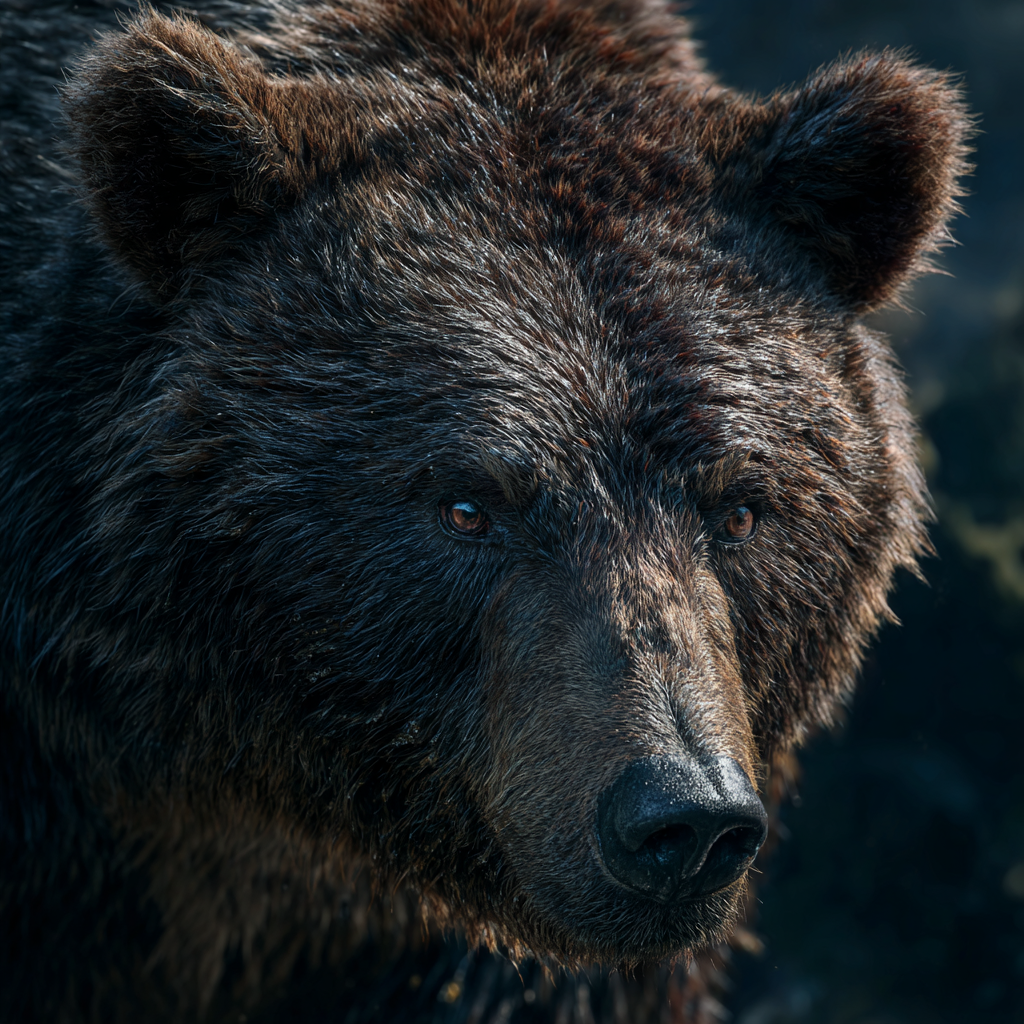
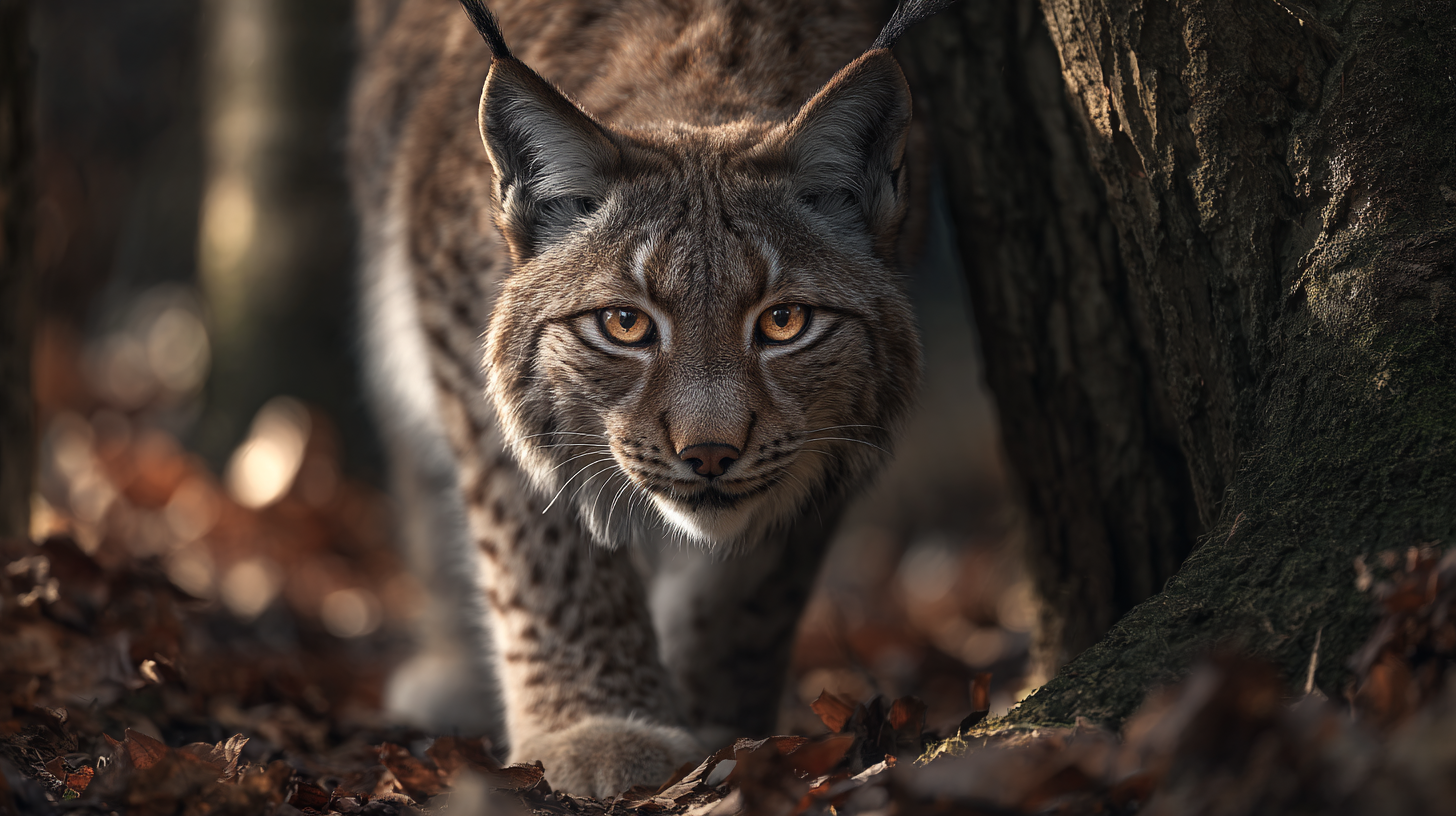
Much of the fascination with Romanian wildlife begins with the country’s large carnivores, and with good reason. Romania is home to one of the largest brown bear populations in the European Union, and it also supports wolves and lynx in its mountain and forest systems. The presence of these animals gives the country a sense of ecological seriousness. This is not only a place of pretty landscapes, but one where food chains and wilderness still operate on a meaningful scale.
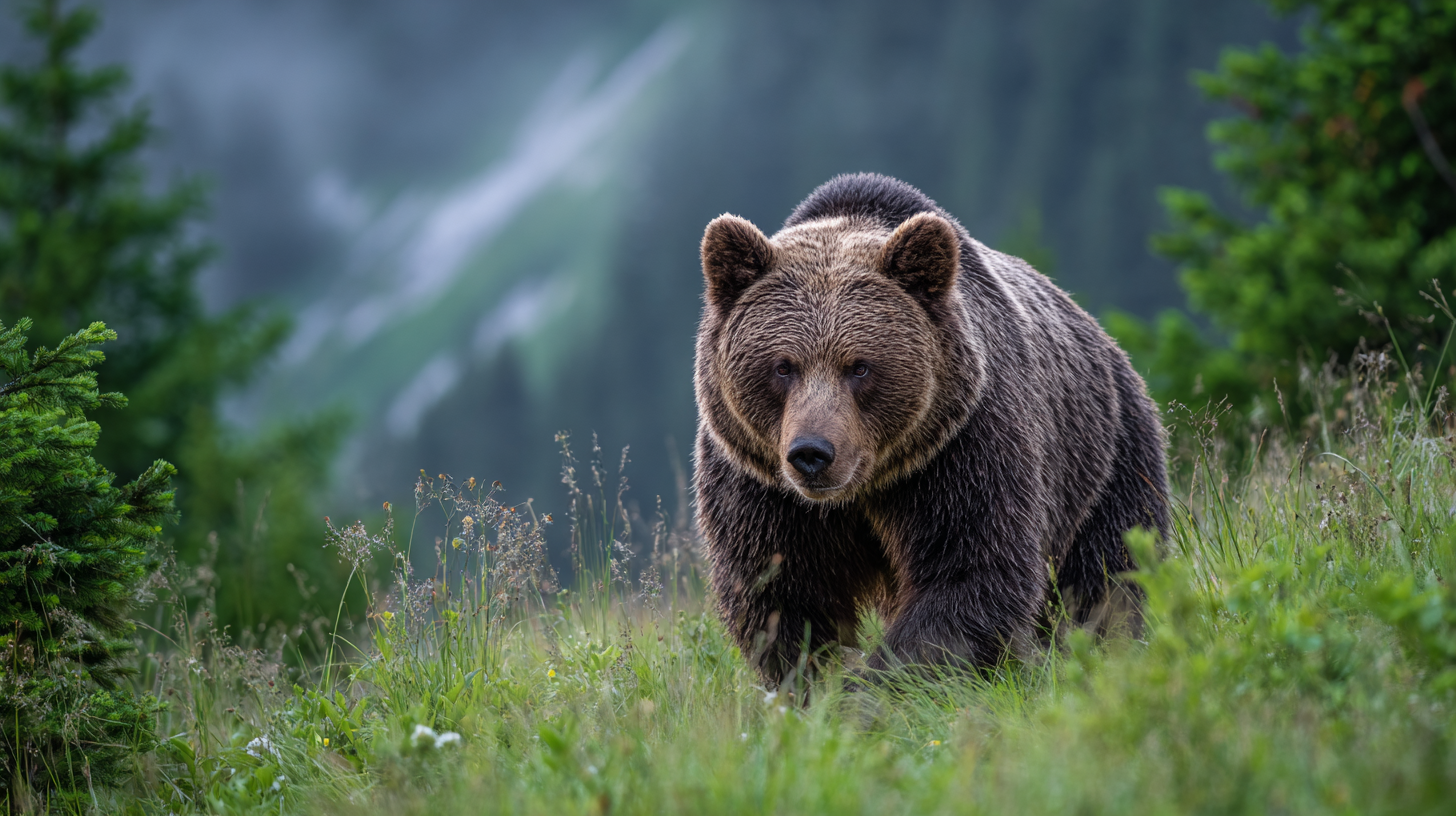
Brown bears naturally attract the most attention, especially among international visitors. The phrase bear watching in Romania has become popular because the country offers one of the best chances in Europe to experience bear habitats with knowledgeable guides and responsible observation. Yet bears are only one part of the story. Wolves, though much harder to see, symbolize the enduring wildness of the Romanian landscape, while lynx add another layer of secrecy and rarity to the forests they inhabit.
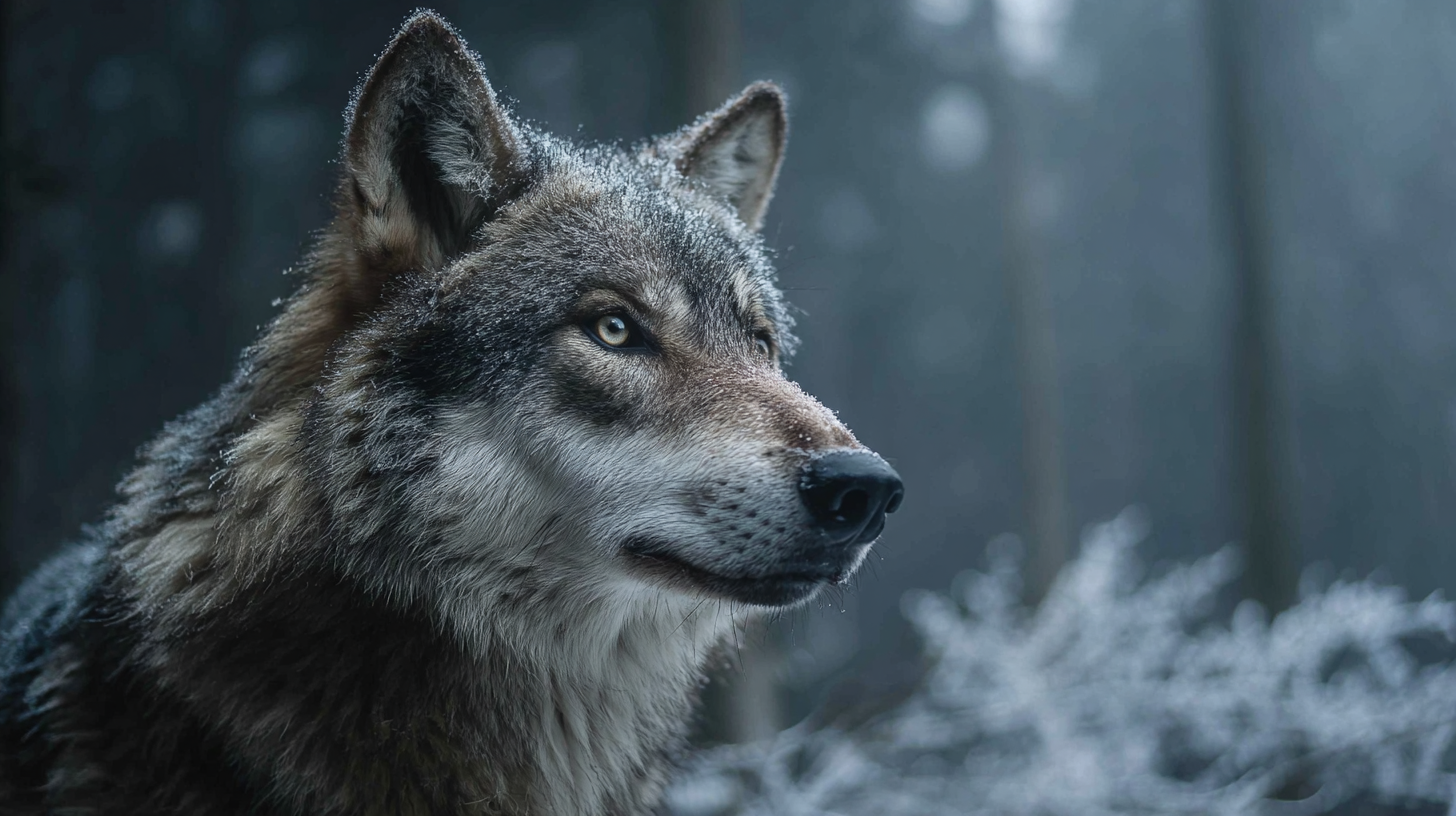
These species matter not only because they are exciting, but because they indicate ecological health and habitat connectivity. Large mammals can survive only where landscapes still function across significant space. Their presence tells us something about the integrity of Romanian nature as a whole. In that sense, bears and wolves are not just attractions, but signs of a much larger environmental story.
Bear Watching in Romania and the Ethics of Encountering Wildlife
Because bears loom so large in the country’s nature image, it is worth treating bear watching in Romania carefully and with nuance. When done responsibly, wildlife observation can be one of the most powerful ways to connect travelers to the reality of a landscape. Seeing a bear from a properly managed hide or guided setting can be unforgettable, not because it feels theatrical, but because it reveals the animal in the environment it actually inhabits. The emphasis should always be on respect, patience, and distance.
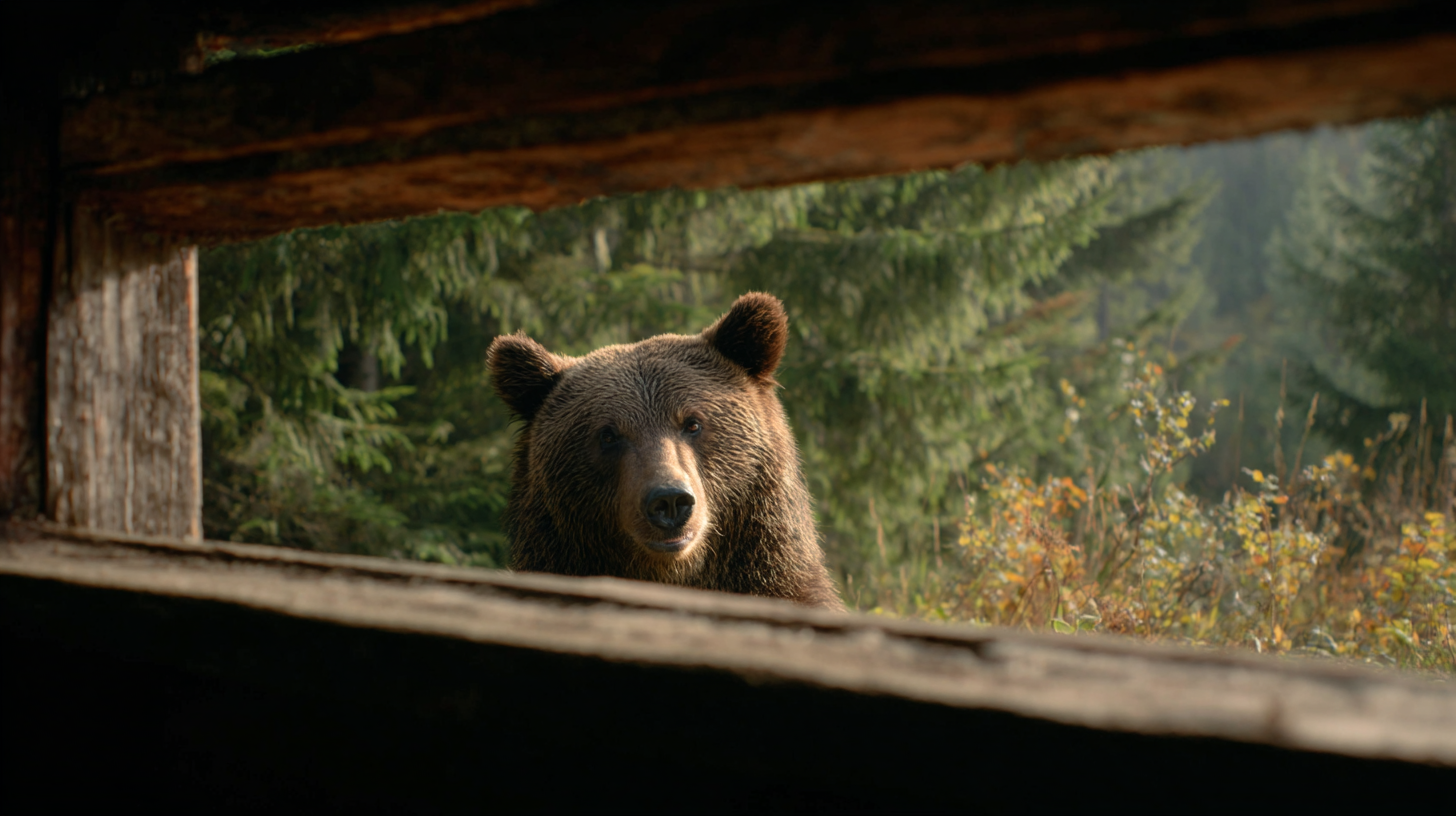
At the same time, Romania’s wildlife should not be reduced to one bucket-list sighting. Bears are only the beginning of what makes the country ecologically remarkable. Focusing too narrowly on one species can flatten the complexity of the landscape and encourage a more extractive form of tourism. The better approach is to see bear watching in Romania as one entry point into a much broader appreciation of forests, habitats, and ecological relationships.
That wider perspective also helps travelers set better expectations. Wildlife is not a performance, and the most rewarding nature experiences often come from atmosphere, tracks, sounds, habitats, and the simple awareness that a landscape still supports powerful animals. In Romania, that awareness can be just as moving as a direct sighting.
Old Forests and the Quiet Depth of the Landscape
One of the least flashy but most important aspects of Romania’s nature is its forest cover, especially in and around the Carpathian regions. Large tracts of woodland create the conditions that make the country’s wildlife richness possible in the first place. These forests are not only scenic, but structurally important, offering shelter, migration routes, nesting areas, and complex food webs. Without them, the story of Carpathian Mountains wildlife would be far poorer.
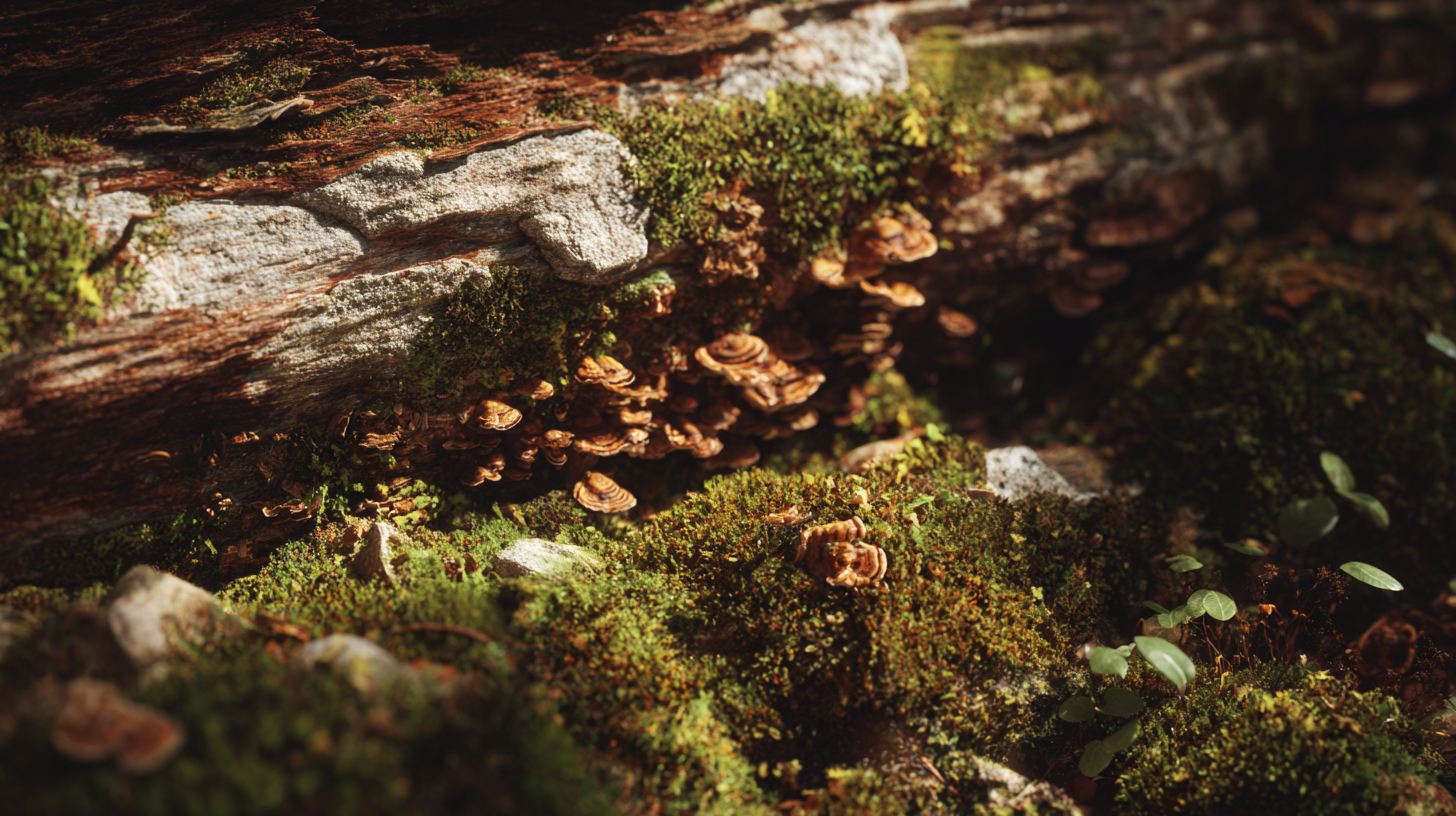
There is also an emotional quality to these forests that deserves attention. Romanian woods often feel older, quieter, and less fragmented than the heavily managed landscapes many European travelers are used to. They hold mist, shadow, sound, and a sense of depth that can feel almost literary. This mood matters because it shapes how the country is experienced. Nature here is not simply open and panoramic; it is layered, interior, and sometimes mysterious.
These forests are also where many travelers begin to understand Romania as a country of transitions. Mountain slopes become woodlands, woodlands give way to meadows and villages, and all of it feels ecologically connected. That continuity is one of the strongest reasons Romania stands out as a destination for nature-focused travel.
The Danube Delta: A Different World of Water, Reeds, and Birdlife
If the Carpathians represent the mountainous core of Romania’s wild nature, the Danube Delta reveals a completely different face of the country. This vast wetland at the meeting point of river and sea is one of Europe’s great ecological treasures and a place where the landscape feels fluid rather than fixed. Channels, lakes, marshes, reed beds, floating vegetation, and hidden forests create an environment that changes the pace of travel entirely. The energy here is quieter, softer, and more water-bound, but no less wild.
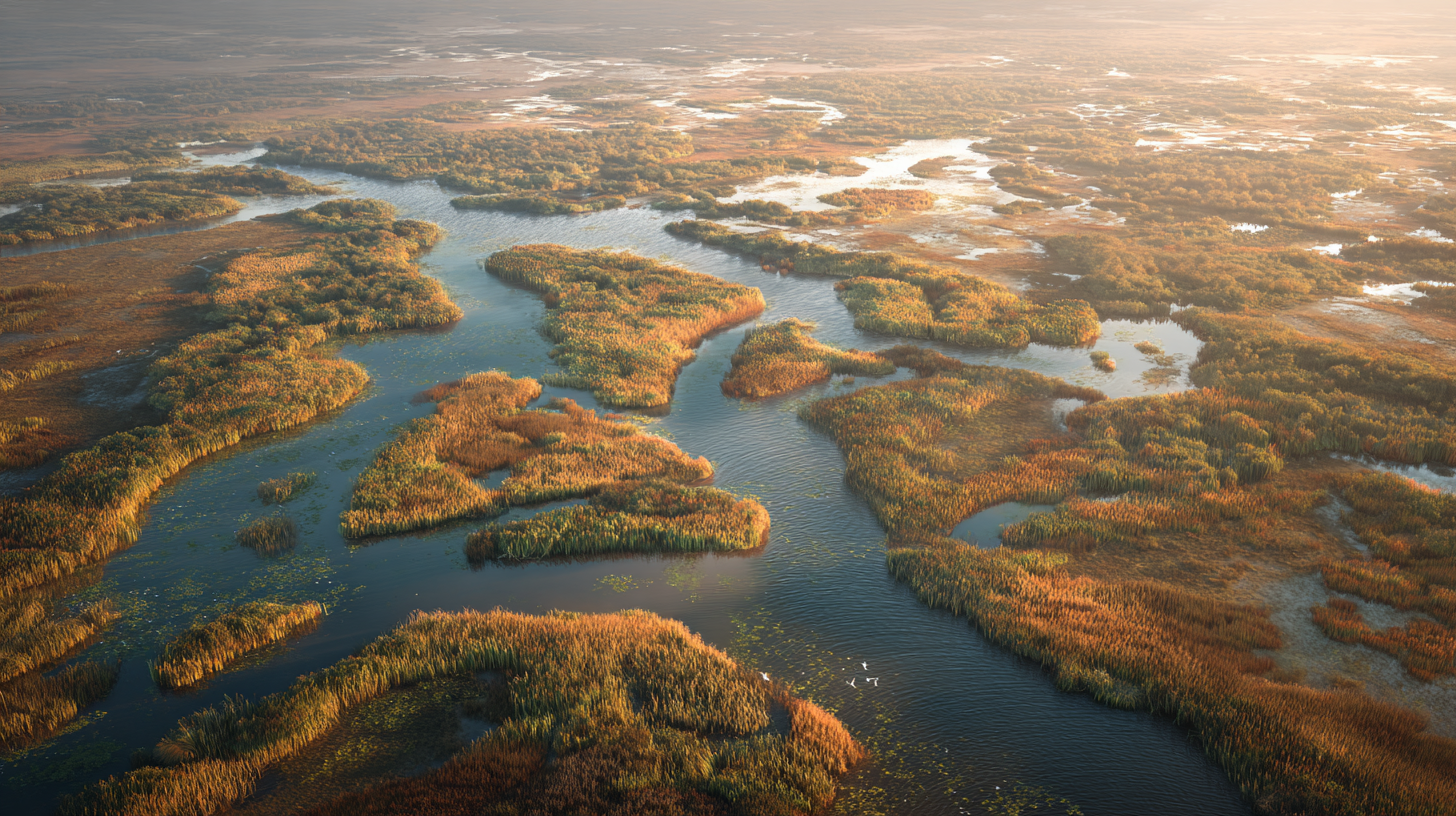
The scale of Danube Delta wildlife is what makes the region so extraordinary. The Delta is famous for its abundance of birds, fish, reptiles, and wetland species, and its ecological importance reaches far beyond Romania itself. According to UNESCO’s overview of the Danube Delta Biosphere Reserve, it is Europe’s largest wetland and reed bed and supports hundreds of bird species and dozens of fish species. This external reference is especially useful because it confirms the Delta’s importance on an international level, not just as a travel destination but as a major biosphere reserve.
The Danube Delta also adds essential balance to the wider story of Romanian wildlife. Without it, the country might be seen mainly through forests and mountains. With it, Romania becomes something richer: a destination where alpine, woodland, riverine, and wetland ecosystems all coexist within one national landscape.
Birdwatching in Romania: Why the Country Matters for Avian Life
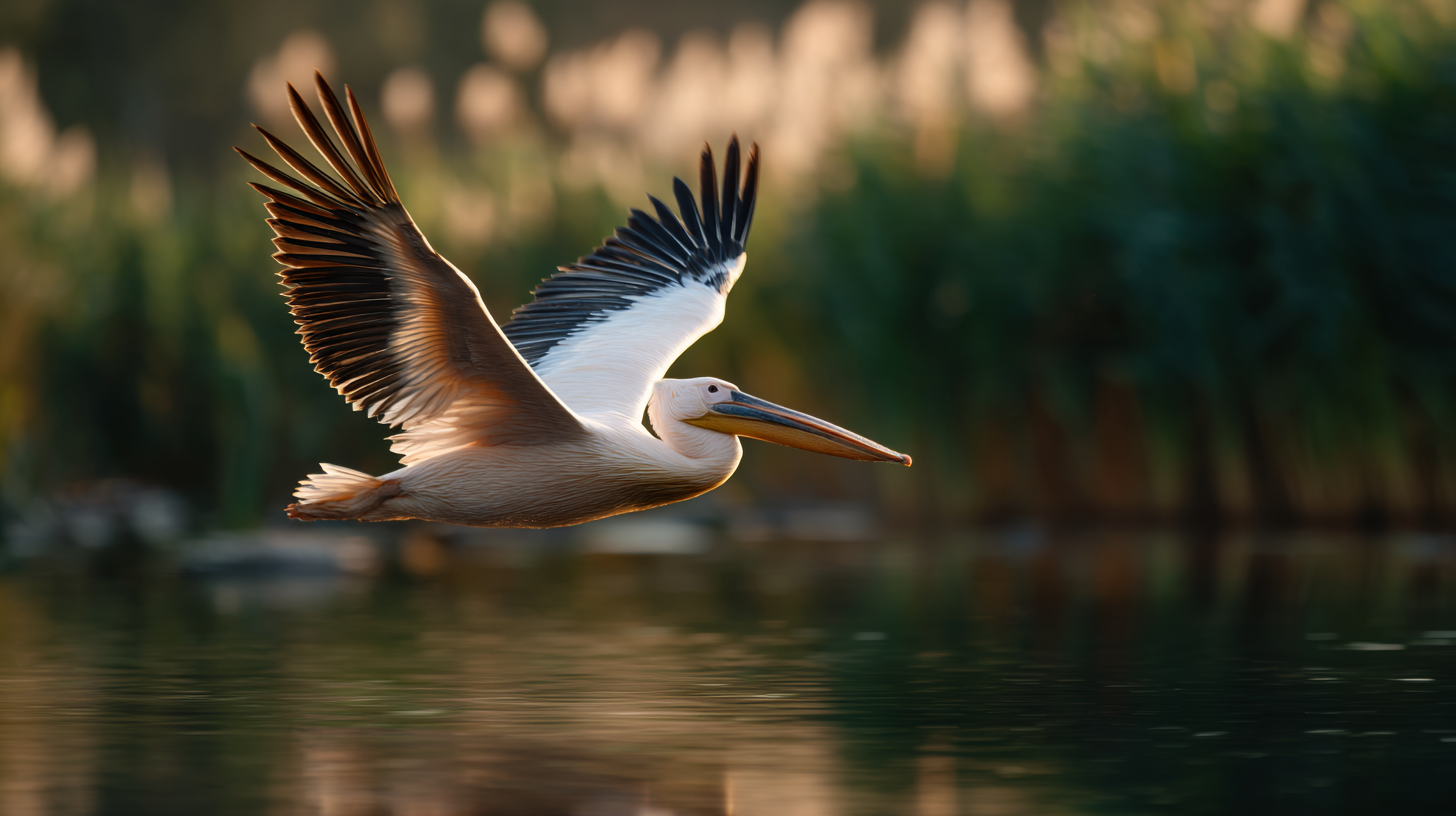
For bird lovers, Romania is one of the most rewarding destinations in Europe, and much of that reputation rests on the quality of birdwatching in Romania across different habitats. The Danube Delta naturally takes center stage, with pelicans, herons, ibises, cormorants, eagles, and countless migratory and resident species making it one of the continent’s premier bird areas. Yet birdlife in Romania is not confined to the Delta alone. Mountains, meadows, forests, rivers, and agricultural edges all contribute to a broader ornithological richness.
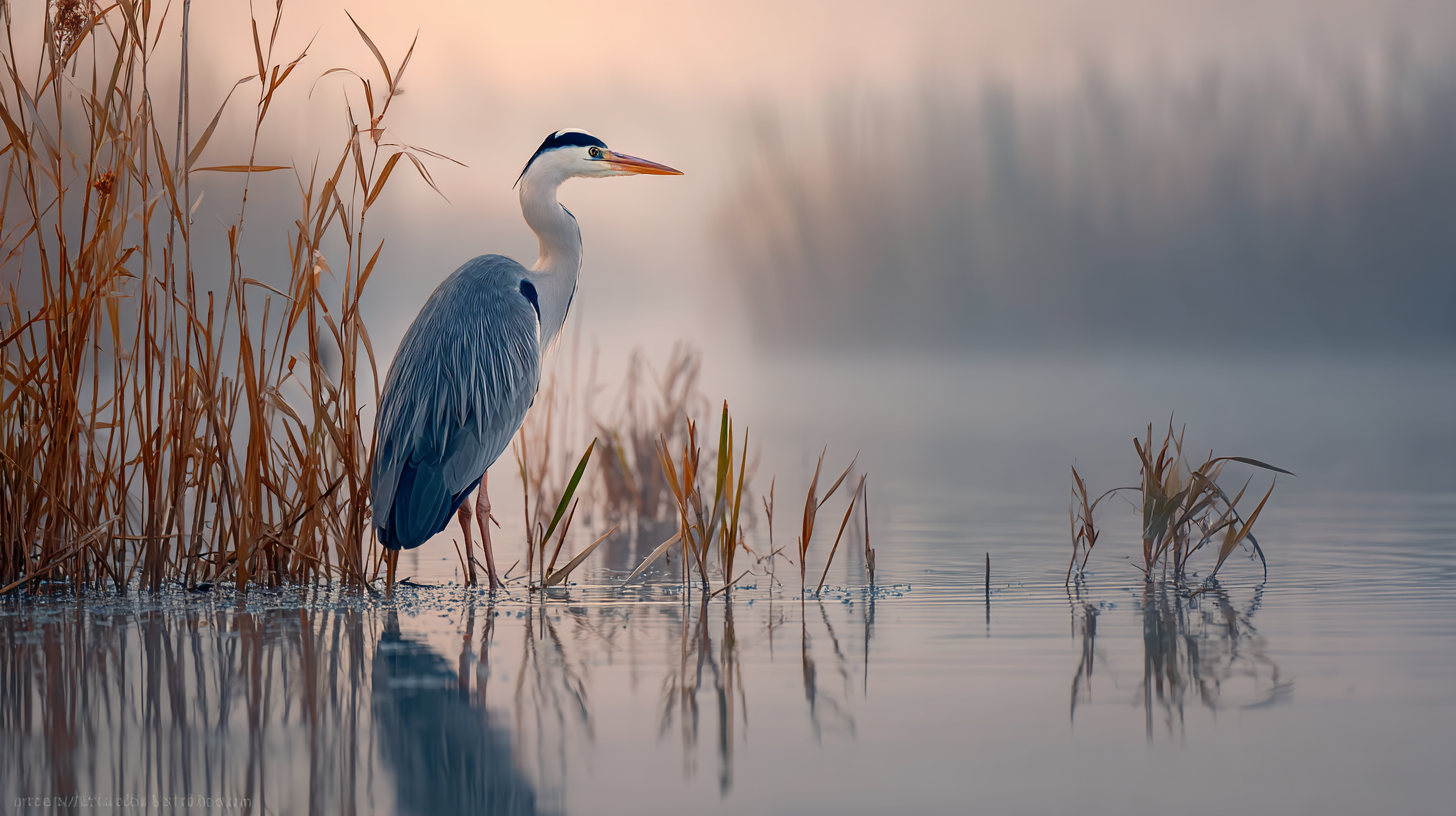
What makes birdwatching in Romania so appealing is this ecological variety. A traveler may associate Romania with one iconic setting, only to discover that entirely different species appear in grasslands, uplands, or wooded valleys. This gives the country unusual depth for serious birders, but it also helps casual nature travelers appreciate how biodiverse the landscape really is. The birds become a visible sign of larger environmental diversity.
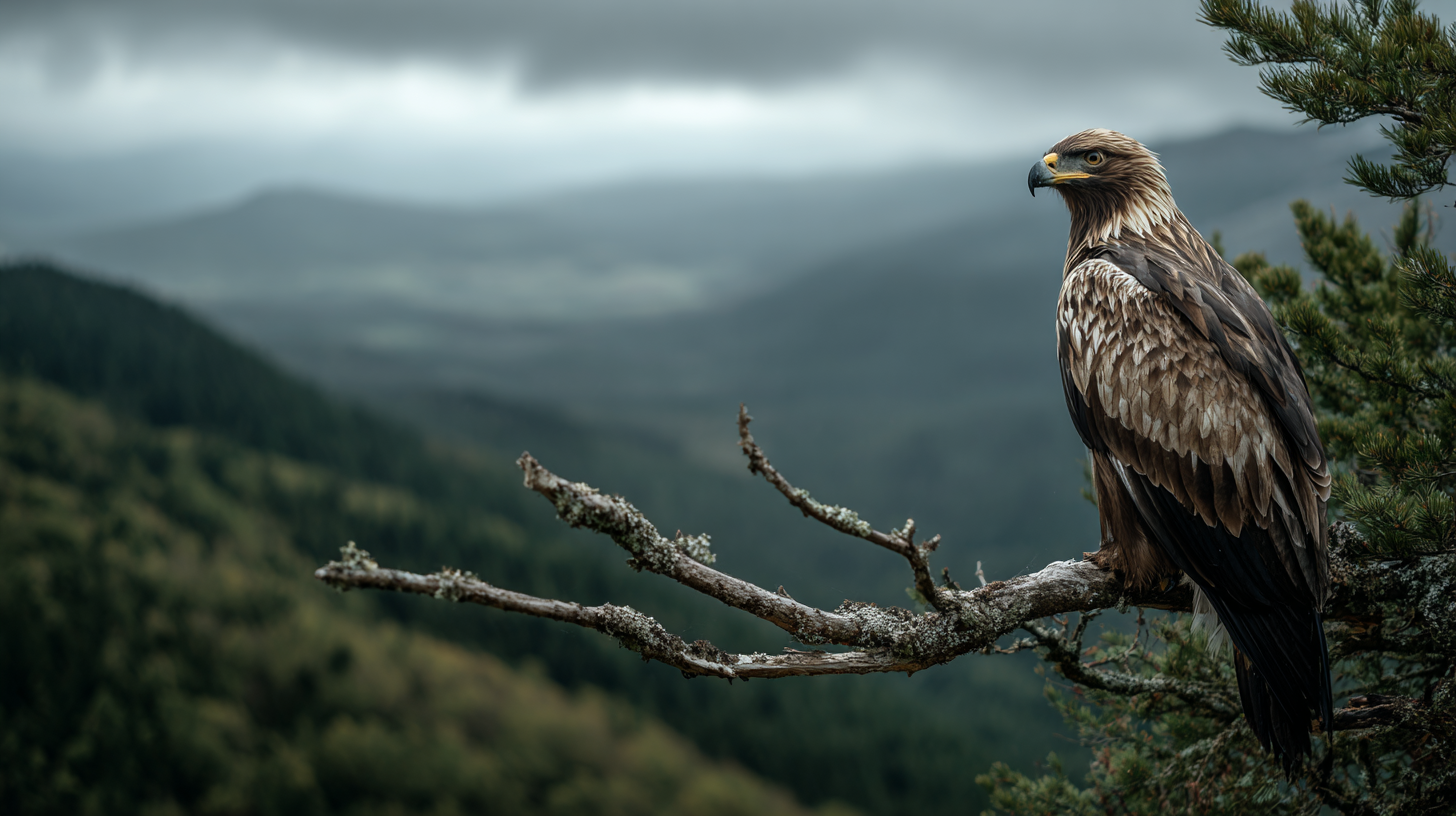
There is also a seasonal drama to birdwatching here. Migration turns many Romanian habitats into temporary crossroads of European and even intercontinental movement. That sense of passage, arrival, and seasonal change adds life to the landscape and gives travelers a stronger sense of being present in an ecological system rather than simply observing static scenery.
Beyond the Famous Species: A More Complete Picture of Romanian Biodiversity
It is tempting to focus only on bears and birds, but Romania’s natural richness goes well beyond its most marketable animals. Deer, wild boar, foxes, badgers, otters, amphibians, reptiles, insects, and a wide range of smaller forest and wetland species all contribute to the larger picture. The same is true of plant life, which changes significantly across altitude, climate, and geography. Meadows, wetlands, forest floors, mountain flora, and riverbank ecosystems each tell a different part of the story.
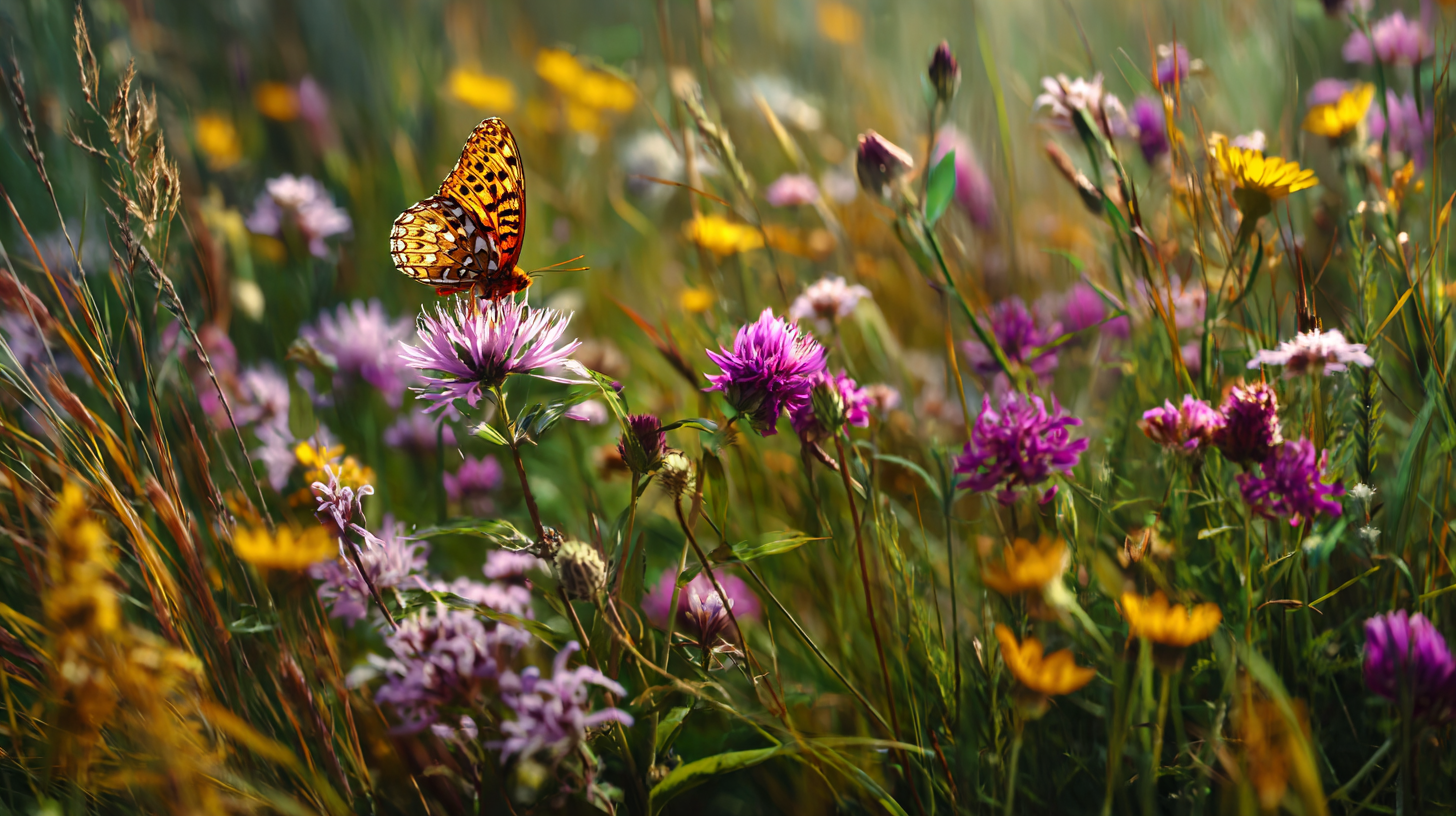
This wider view matters because it shifts the article from wildlife spectacle to biodiversity. Romania is valuable not only because it contains charismatic species, but because so many ecological relationships still remain visible in the landscape. That is why Romanian wildlife should be presented as an interconnected system rather than a handful of icons. The country’s uniqueness lies in how these species and habitats reinforce each other.
For travel writing, this broader angle also creates a better reader experience. It makes the country feel more layered and less predictable. Instead of promising one dramatic animal sighting, it opens the door to a deeper and more intelligent appreciation of the natural world.
Traditional Landscapes and the Human-Nature Balance
Another important reason Romania’s biodiversity remains so striking is the role of traditional rural landscapes. In some parts of the country, lower-intensity farming, hay meadows, orchard systems, and long-established village patterns have helped preserve ecological mosaics that disappeared elsewhere in Europe. These landscapes are not untouched wilderness, but they often support remarkable levels of life precisely because they sit between human use and natural continuity.
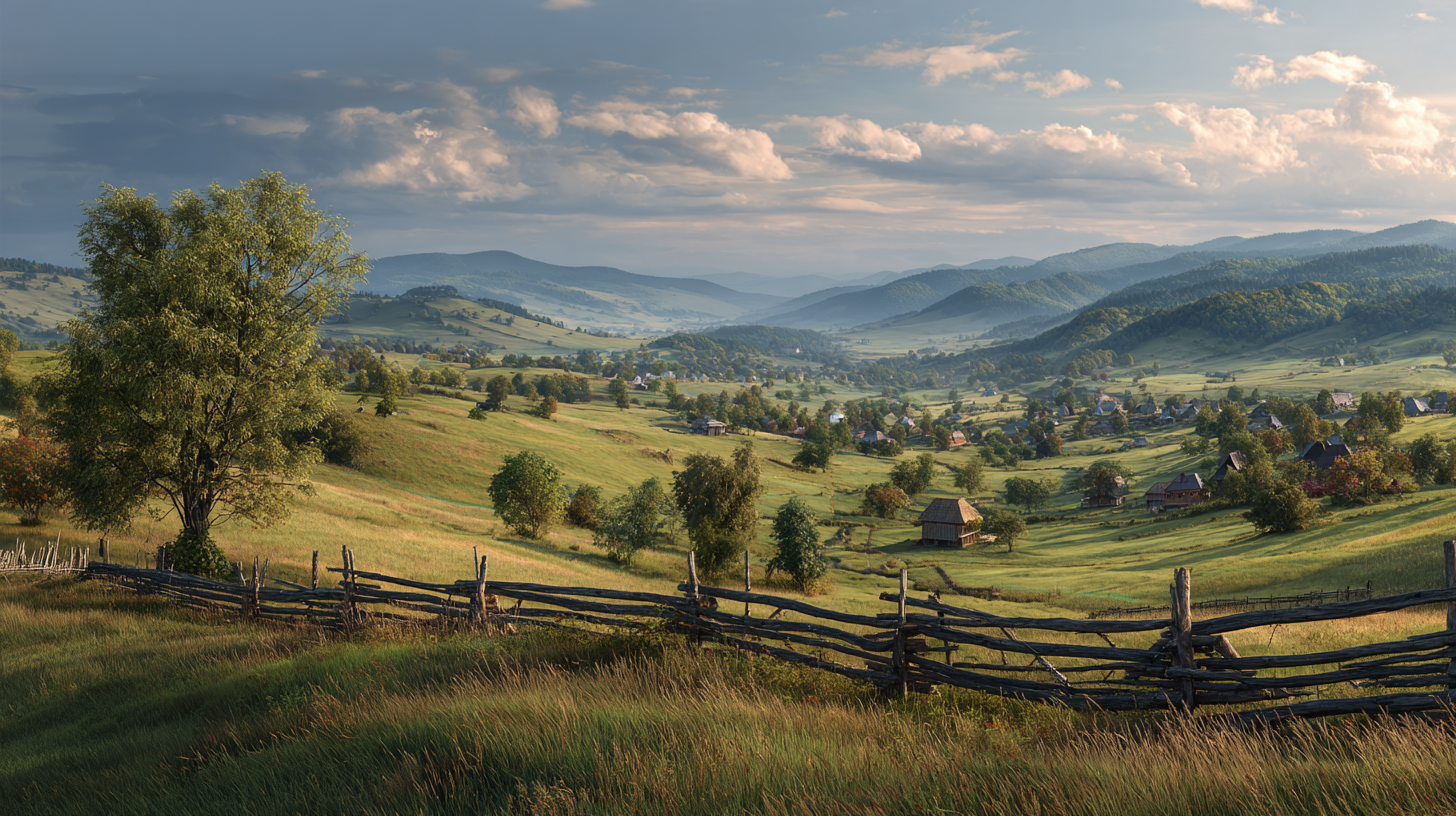
This middle ground is one of Romania’s most interesting environmental qualities. The country offers not only dramatic wild zones, but also inhabited landscapes where biodiversity and culture have long evolved together. That is part of what gives Romanian nature its texture. It is not just grand and remote, but also lived-in and historically layered.
Readers who want to connect the nature side of Romania with a more active mountain experience can continue with our guide to outdoor adventures in the Carpathians. That internal link fits naturally here because the mountain article extends the landscape story without repeating the wildlife angle directly.
Why Romania Feels Different From Other European Nature Destinations
Many European countries offer beautiful mountains or wetlands, but Romania feels different because of how much ecological continuity still survives across the land. It is not merely a place with protected pockets of nature. In many regions, nature still seems to define the wider environment rather than existing as an isolated exception. This makes travel feel more immersive and less compartmentalized.
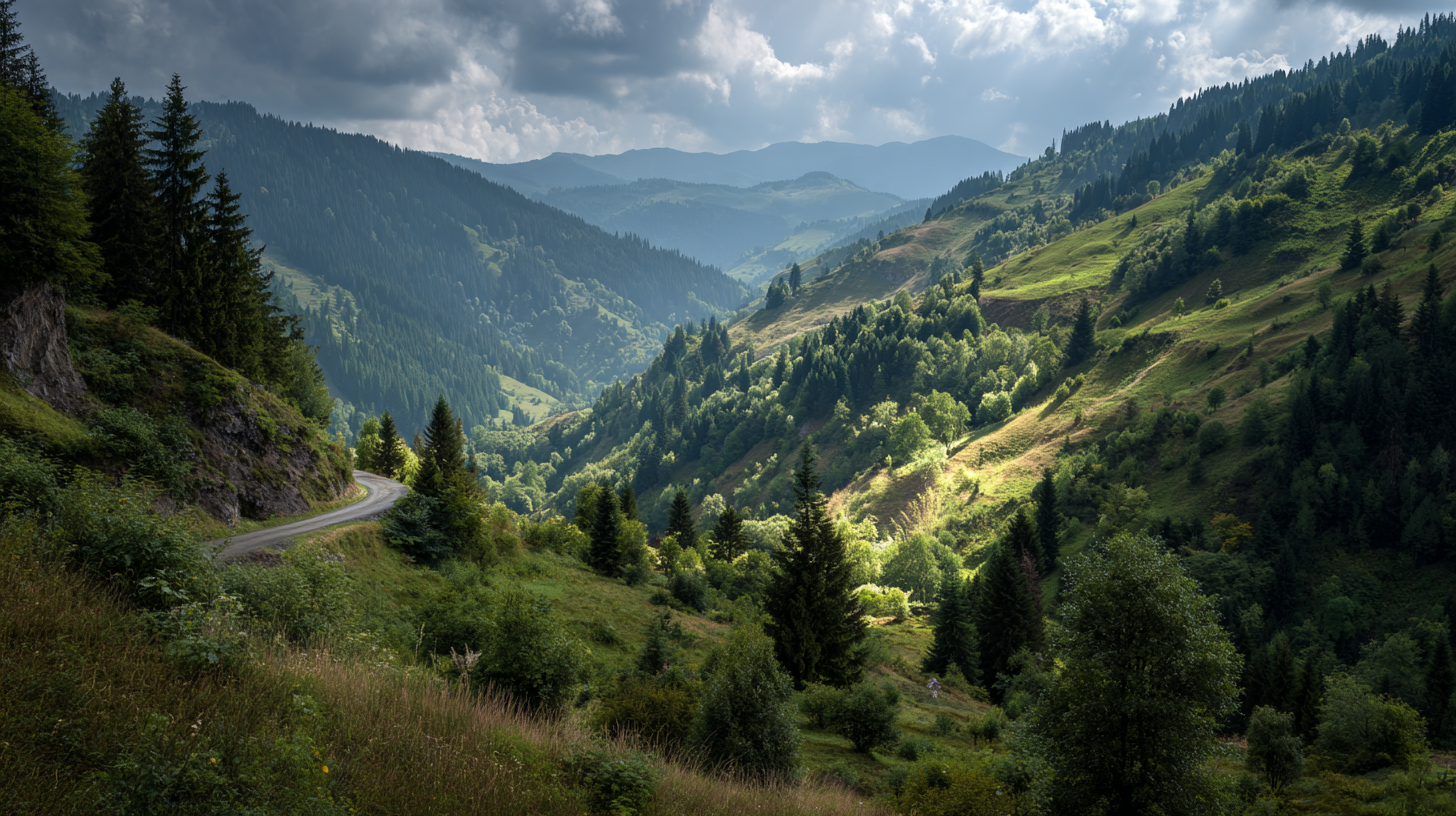
Romania also retains a sense of unpredictability that many polished travel destinations have lost. Forests feel deeper, roads feel less curated around scenery, and the relationship between human settlement and wild space feels less resolved. For travelers, this can be profoundly refreshing. It creates a sense that the landscape is not fully simplified for consumption.
That difference is exactly why Romanian wildlife deserves more attention in European travel writing. The country is not just scenic. It is ecologically meaningful in ways that remain surprisingly visible to the visitor. It offers not a nature theme park, but a complex living environment where wilderness, agriculture, mountain life, and wetland richness still overlap.
The Best Way to Experience Romania’s Wild Side
The strongest way to explore Romania’s natural world is to embrace depth rather than speed. Instead of trying to rush through the Carpathians and the Danube Delta in one short whirlwind, travelers get much more by choosing a few landscapes and spending real time in them. A dawn outing in wetland channels, a slow walk through a forested valley, or an evening in mountain country can reveal more than a packed checklist of stops. Wildlife experiences reward patience more than efficiency.
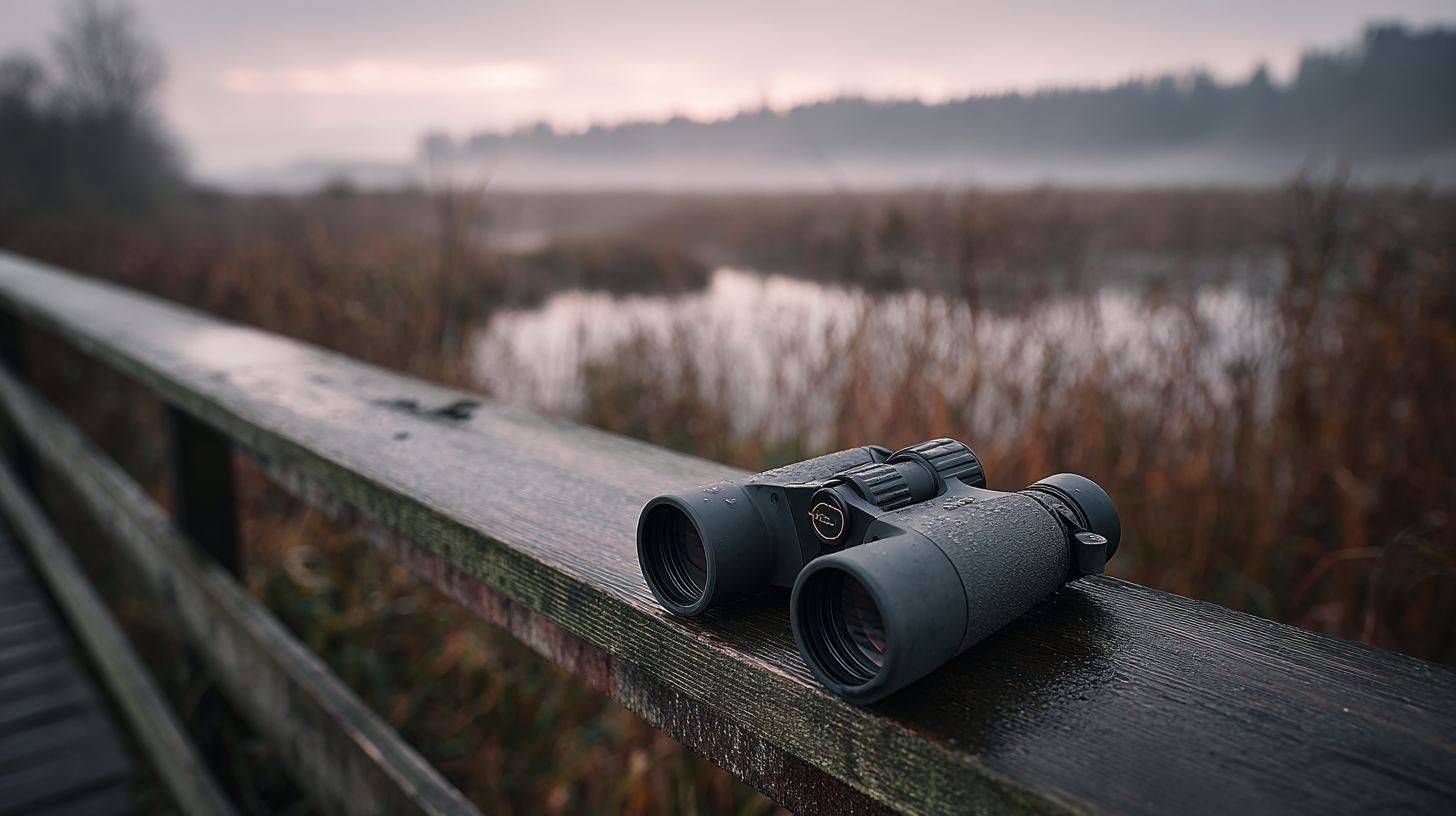
It also helps to approach Romania with respect for the limits of visibility. Nature here is powerful precisely because it is not always easy. Animals remain animals, habitats remain real, and not every journey delivers a cinematic sighting. But that is part of the value. When the experience is grounded in real landscape rather than guaranteed spectacle, it leaves a stronger and more lasting impression.
To combine a nature-focused stay with towns and cultural visits, start with our guide to things to do in Romania and choose one region rather than crossing the country for every stop.
Conclusion
Romania’s nature is remarkable not because of one single species or one famous reserve, but because of the sheer range and integrity of its living landscapes. From the forested drama of Carpathian Mountains wildlife to the watery abundance of Danube Delta wildlife, from large mammals and hidden predators to extraordinary avian richness and traditional rural mosaics, the country offers one of the most diverse ecological experiences in Europe. Romanian wildlife is therefore best understood not as a niche attraction, but as one of the country’s defining strengths. For travelers who want more than scenery and more than clichés, Romania reveals itself as a place where the natural world still feels vivid, varied, and genuinely wild.