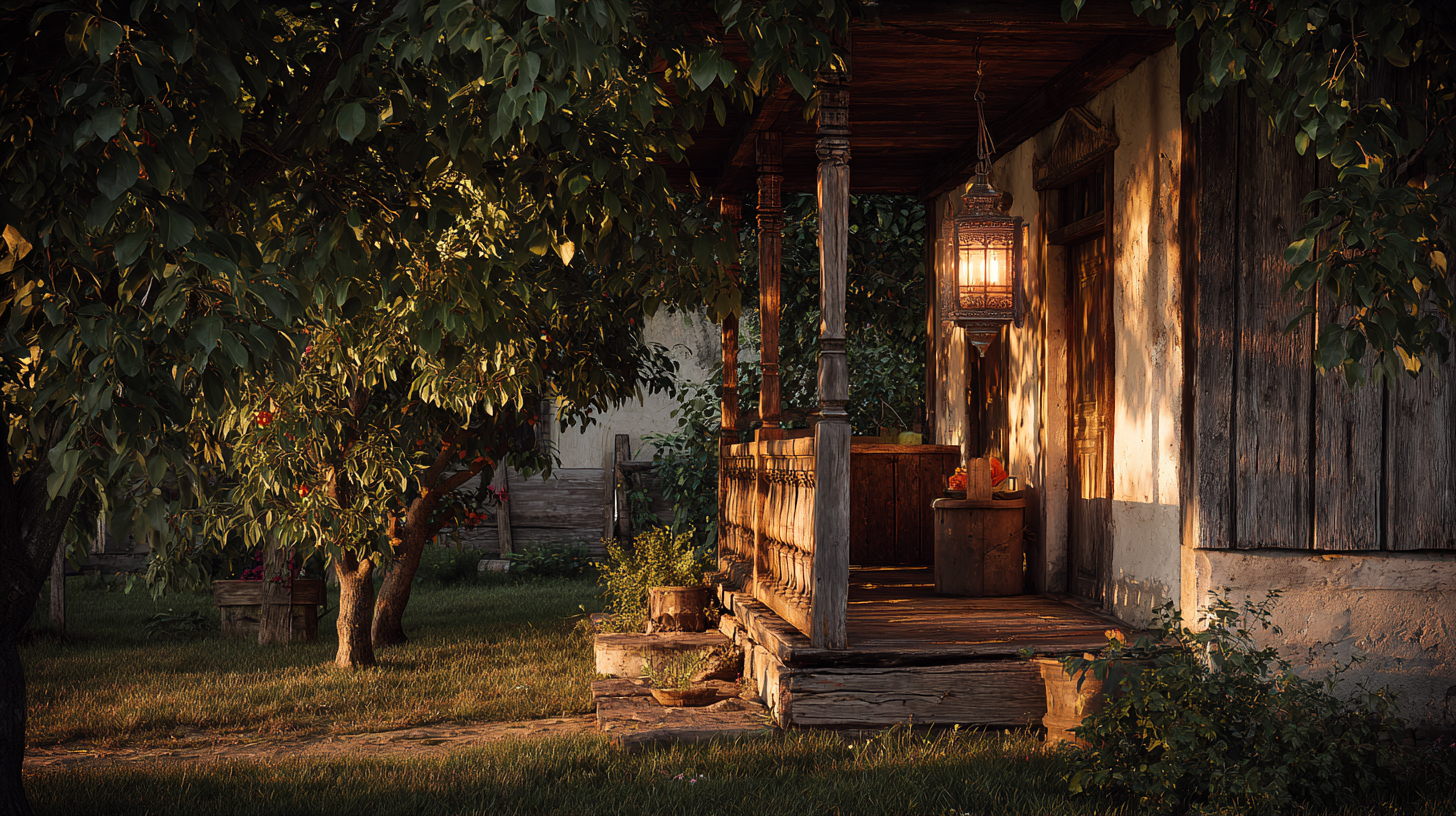
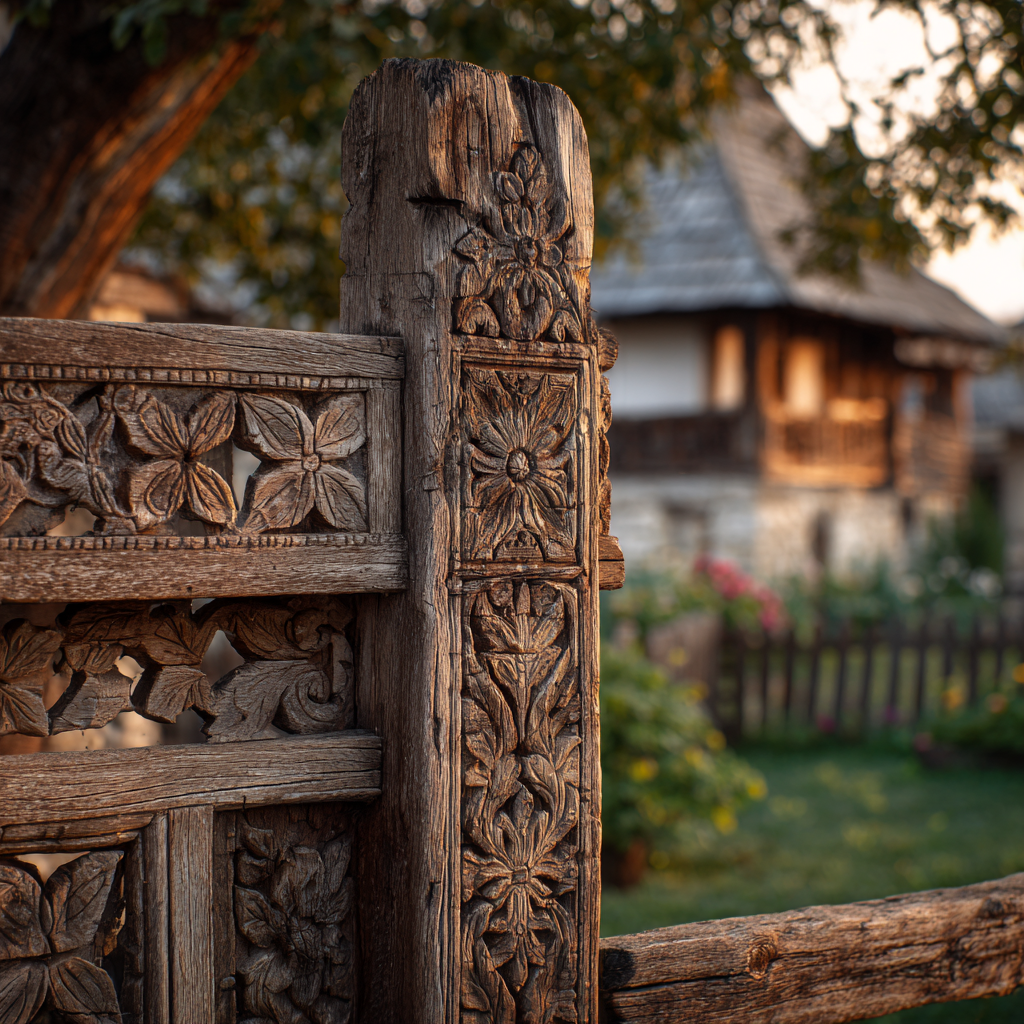
Some destinations impress through monuments and major city landmarks, while others stay with you because everyday life still feels deeply connected to place. Romania’s countryside belongs to the second category. The appeal of traditional Romanian villages lies not in staged nostalgia, but in the sense that architecture, craft, landscape, and daily routine still form a coherent world. For travelers tired of polished travel circuits, rural Romania offers something much rarer: authenticity that does not need to announce itself.
What makes these villages so memorable is that they are not only visually charming. Wooden gates, hay meadows, Orthodox churches, carved porches, old farmsteads, and seasonal customs all reflect a long continuity between land and community. This gives the countryside a depth that many rural destinations in Europe have already lost. Instead of being reduced to “pretty villages,” these places feel like living cultural landscapes.
Romania’s villages matter not because they are frozen, but because they still preserve relationships between people, craft, faith, agriculture, and architecture in ways that remain visible to the traveler. The experience is less about romantic escape and more about entering a slower, more grounded version of the country.
Why Romania’s Villages Feel So Distinctive
Part of the charm of traditional Romanian villages comes from how intact many of them still feel. In some regions, houses, barns, gates, churches, and fields still create an environment that appears shaped by long local habits rather than by recent reinvention. Even where modern life is present, the older structure of the village often remains legible. This makes the countryside feel culturally textured rather than simply scenic.
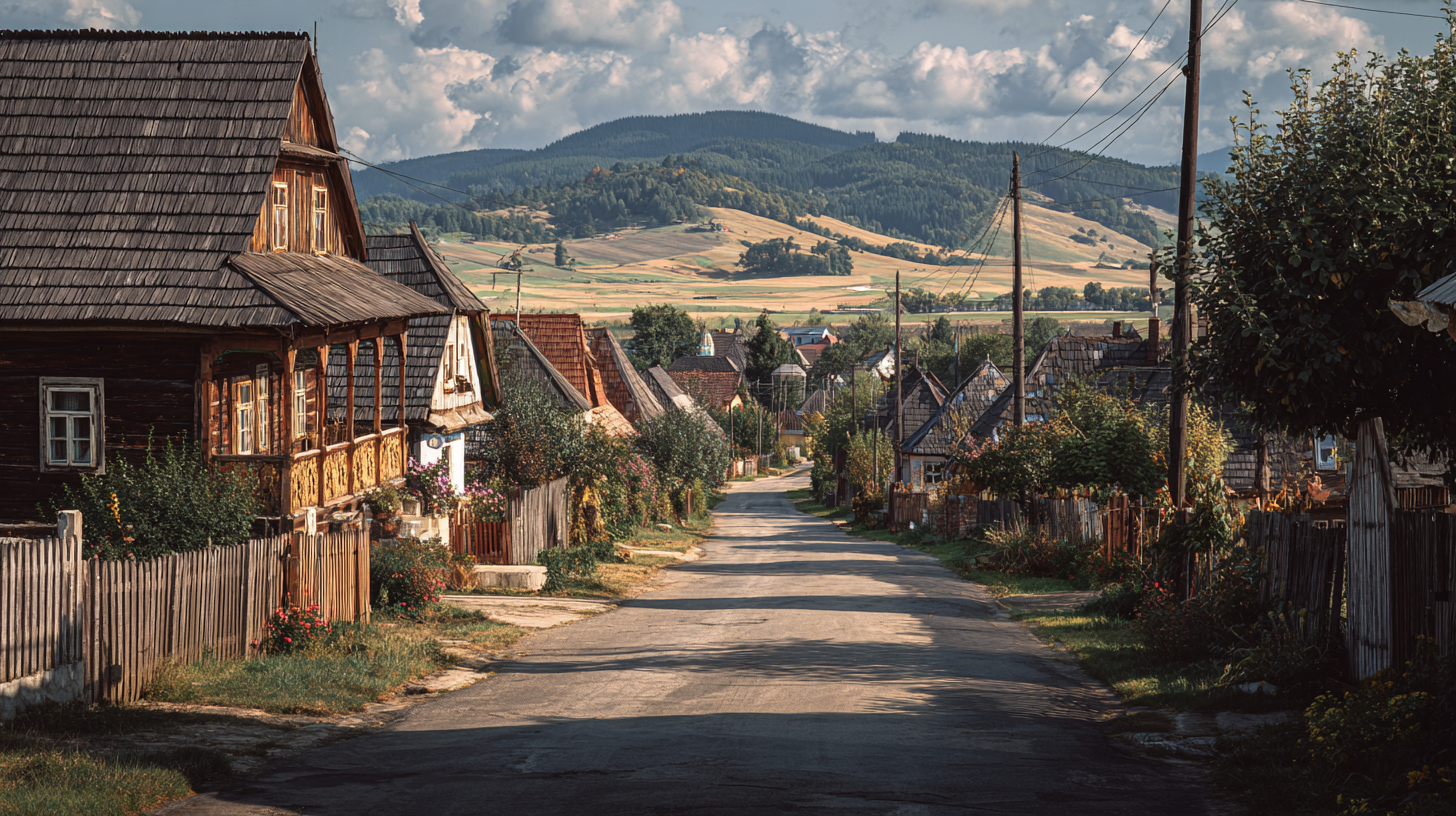
Another reason these villages stand out is the diversity within Romania itself. Rural life is not expressed in the same way across the entire country. Northern wooden traditions, Transylvanian Saxon settlements, mountain hamlets, and Orthodox church landscapes all give different regions their own identity. That variation makes village travel in Romania much more rewarding than readers often expect. The country is not offering one rustic stereotype, but several distinct rural worlds.
This is also where Romania rural culture becomes more interesting than a simple sightseeing category. Village life here is tied to memory, ritual, craftsmanship, and regional difference. The villages are not just places to photograph, but places that still explain how the country has lived across generations.
Maramures Villages and the Wooden Soul of the North
If one region best captures the emotional power of rural Romania, it is Maramures. The Maramures villages of northern Romania are famous for their carved wooden gates, traditional timber houses, pastoral landscapes, and a rhythm of life that still feels strongly rooted in custom. The visual identity of the region is immediate and unforgettable, but what makes it truly special is that the architecture is still connected to a larger cultural world. The villages feel inhabited by tradition rather than decorated with it.
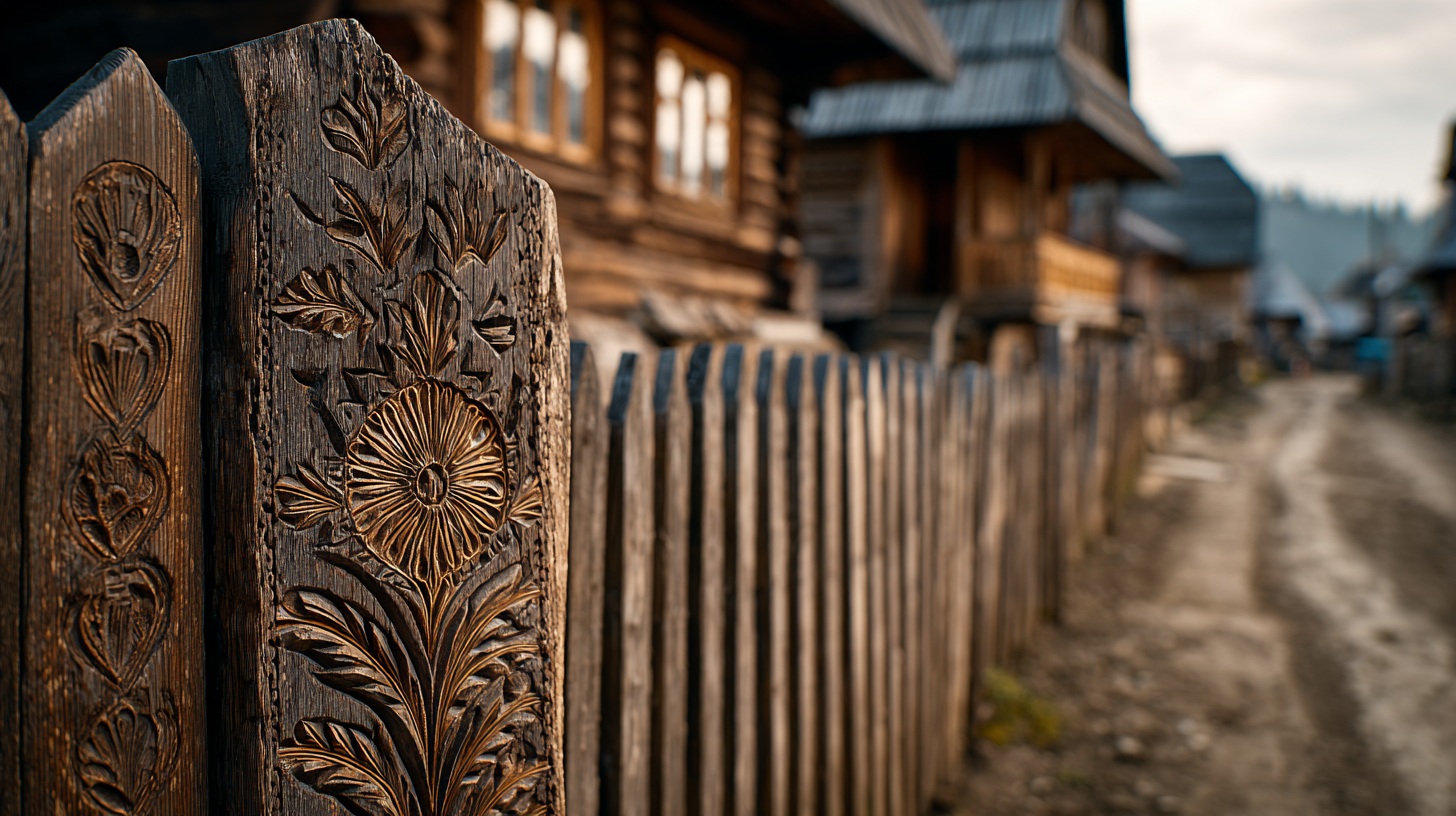
The appeal of the Maramures villages lies in their coherence. Houses, fences, chapels, orchards, roadside crosses, and hillsides all seem to belong to the same cultural language. Even simple details carry meaning, from the woodworking motifs on gates to the way village roads move through the landscape. For travelers, this creates a stronger sense of immersion than many better-known “heritage villages” elsewhere in Europe.
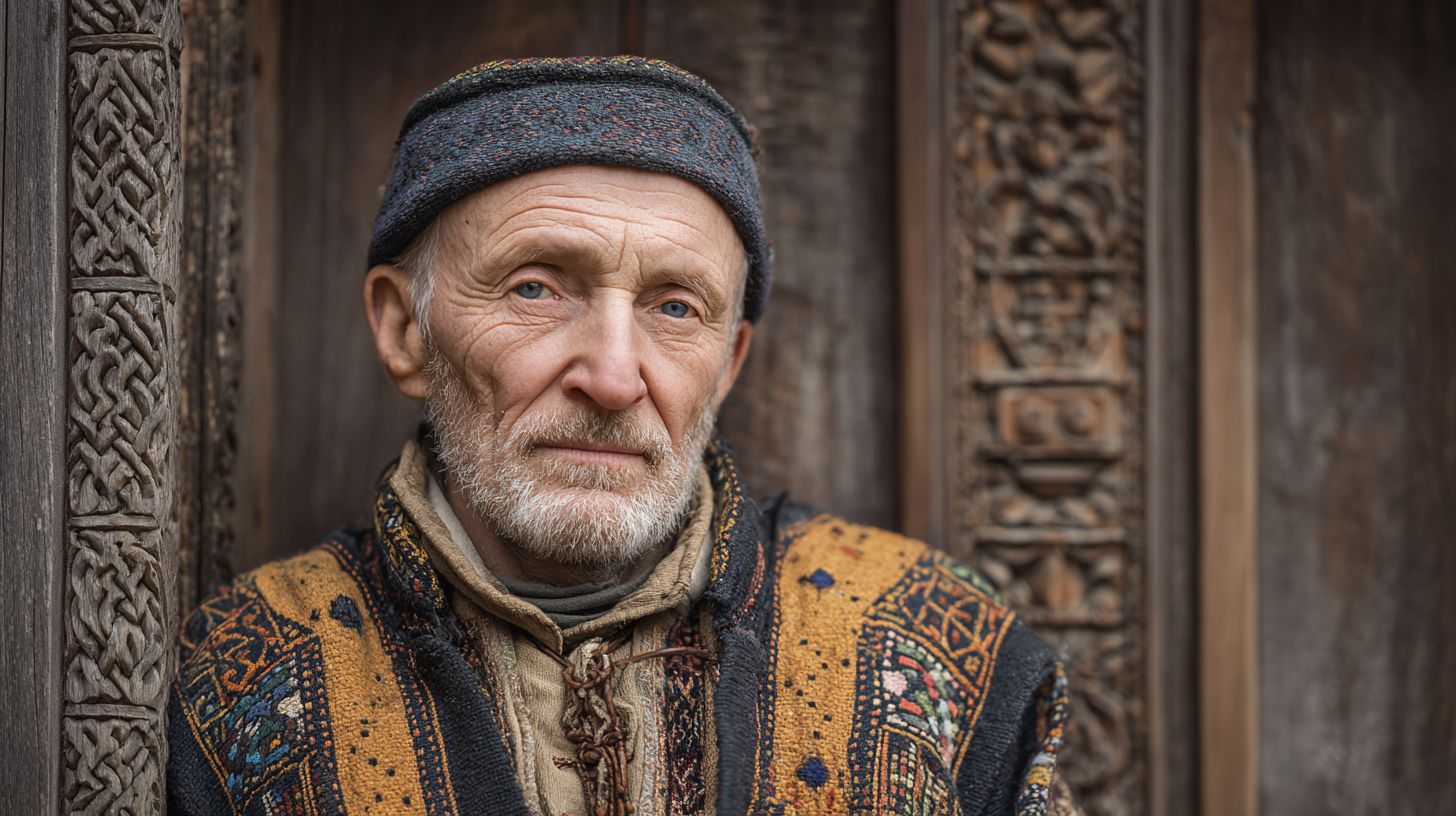
Maramures also shows how rural space can remain expressive without feeling curated for tourism. There is beauty here, but it is not detached from labor, faith, and everyday use. That gives the region unusual credibility. It feels living first and picturesque second, which is exactly why it stays in the memory so strongly.
Wooden Churches of Maramures: Faith, Craft, and Local Identity
A visit to rural Romania offers a chance to discover the wooden churches of Maramures. These slender, elegant wooden structures are among the most distinctive religious buildings in Eastern Europe and one of the clearest expressions of local craft tradition. Their tall towers, shingled roofs, and refined proportions make them instantly recognizable, but their deeper value lies in what they represent: a regional culture shaped through timber, devotion, and long-standing craftsmanship. They are both spiritual and architectural landmarks.
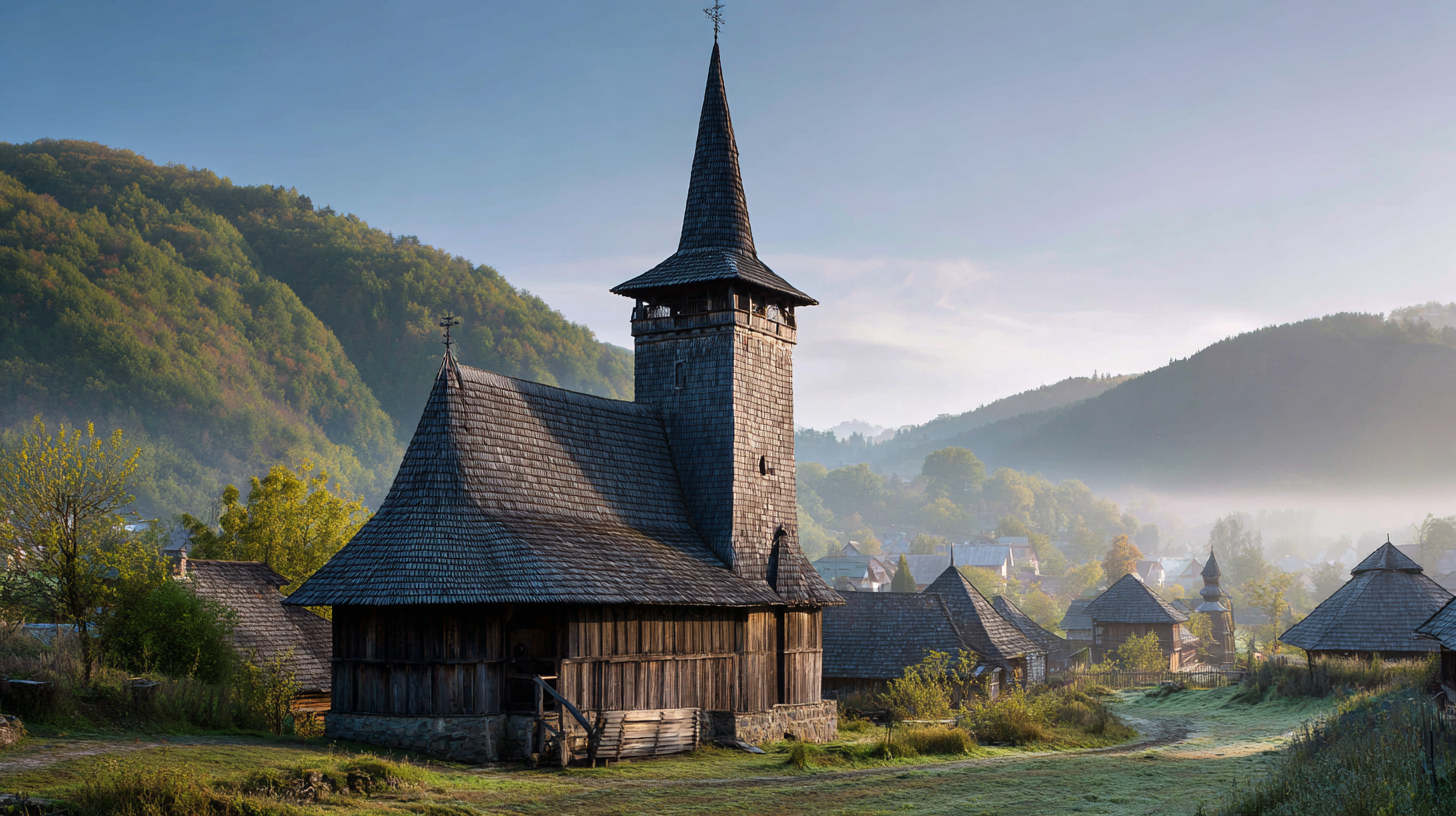
The wooden churches of Maramures are important enough to be recognized by UNESCO, which notes that they are outstanding examples of vernacular religious wooden architecture and of the cultural landscape of this mountainous area. That makes the UNESCO overview of the Wooden Churches of Maramureș a useful source of historical and architectural context. It supports the broader point that these villages are not only charming, but culturally significant on an international level.
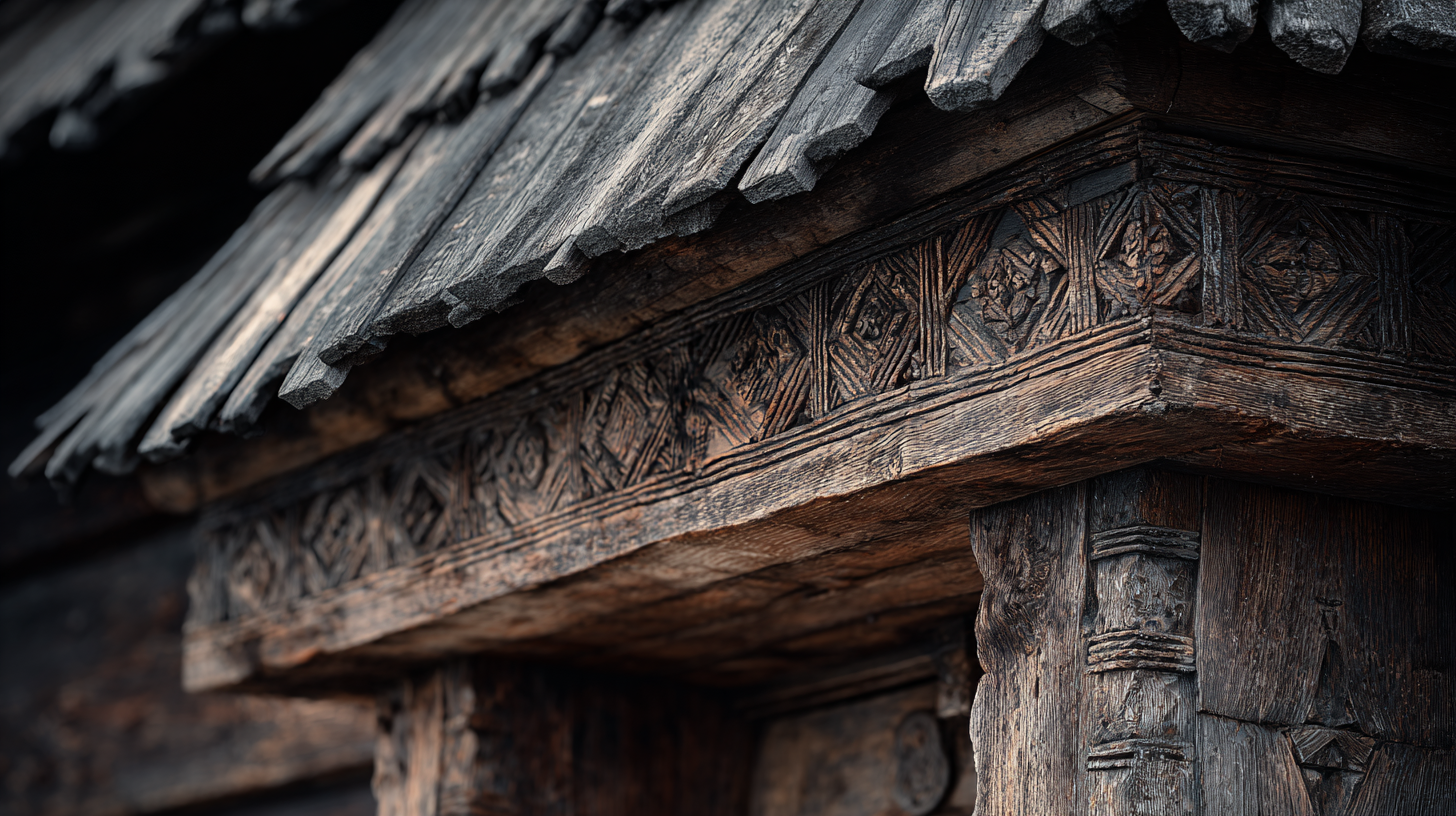
For travelers, these churches do more than add sightseeing value. They help explain why Maramures feels so complete as a rural destination. Religion, architecture, and village life are not separate categories here. They are part of the same lived environment, and that unity gives the region real power.
Saxon Villages in Romania and a Different Rural Tradition
While Maramures represents the wooden and pastoral north, the Saxon villages in Romania reveal another face of the country’s rural heritage. Found especially in Transylvania, these villages reflect a more fortified, Central European, and historically urban-influenced tradition. Their churches, compact street plans, solid houses, and orderly facades create a rural atmosphere that feels quite different from the timber-based softness of Maramures. This contrast is one of the reasons Romania is so rich as a village destination.
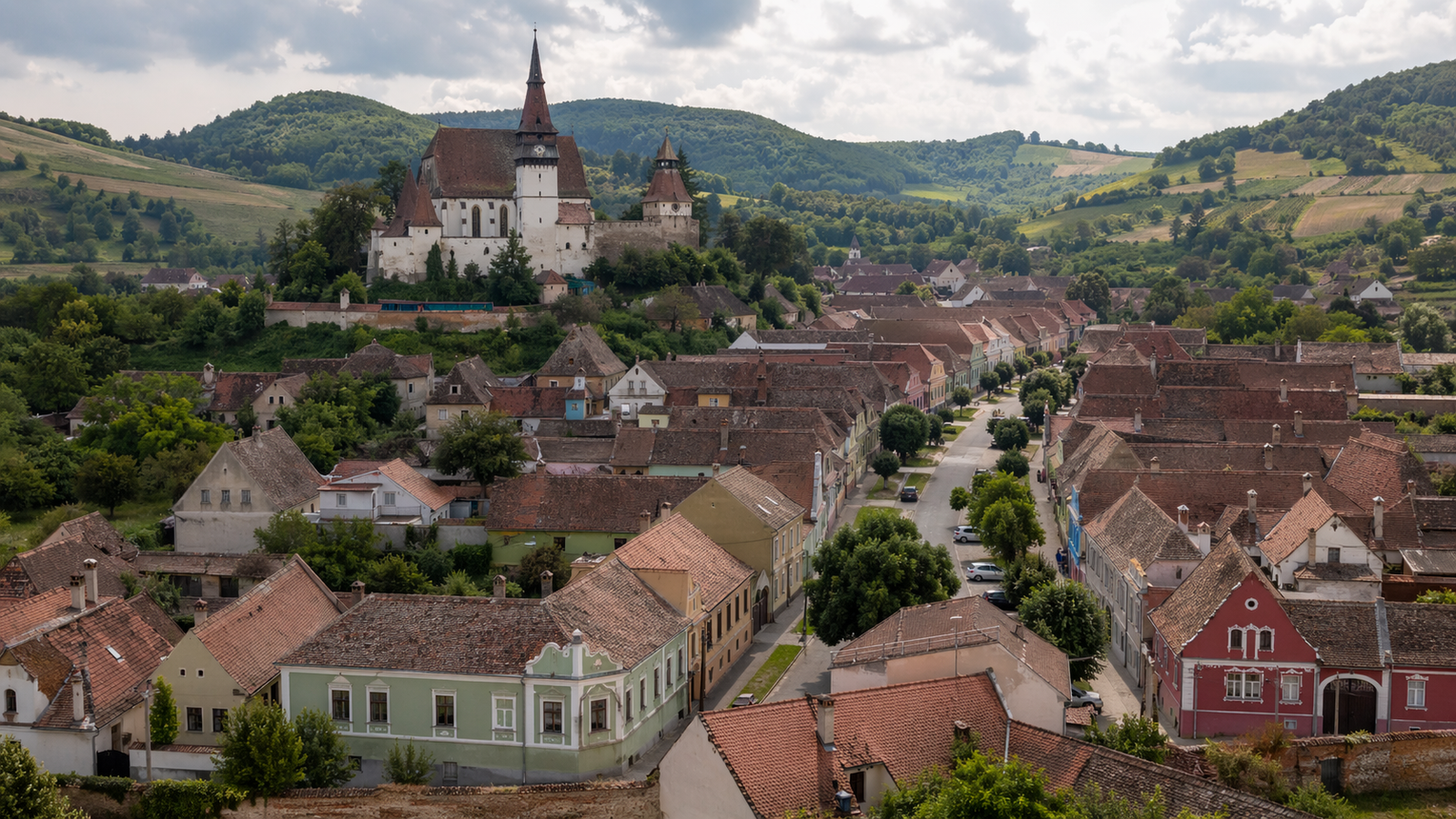
The Saxon villages in Romania reveal another layer of the country’s rural history. They remind readers that Romania’s countryside has been shaped by multiple communities, not by one uniform cultural model. German-speaking Saxon settlements left behind a distinctive architectural and social pattern that still influences how these places look and feel today. This gives Transylvanian village travel a different kind of beauty: less rustic in the northern wooden sense, but deeply atmospheric in its own right.
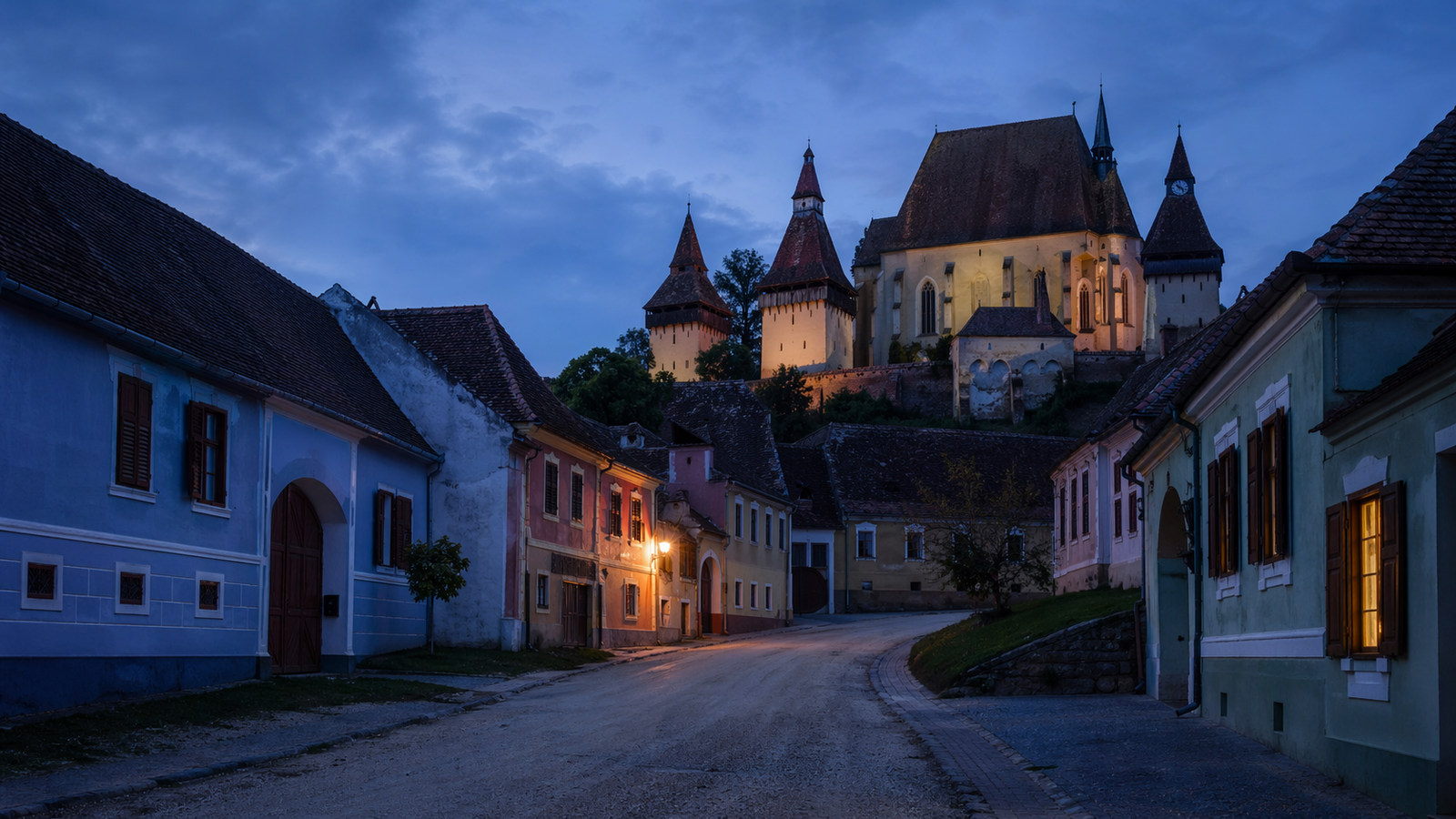
These regional differences make it worth choosing your destination according to what you want to experience: timber architecture in Maramures or fortified churches and Saxon village streets in Transylvania.
Romania Rural Culture Beyond Architecture
Exploring a village is more rewarding when you look beyond buildings alone. The real force of Romania rural culture lies in the way architecture connects with food, seasonal work, religious life, crafts, and local customs. A wooden house or a stone church is interesting on its own, but it becomes far more meaningful when seen as part of a broader living environment. This is especially true in Romania, where many customs still remain visible in village life and local celebrations.
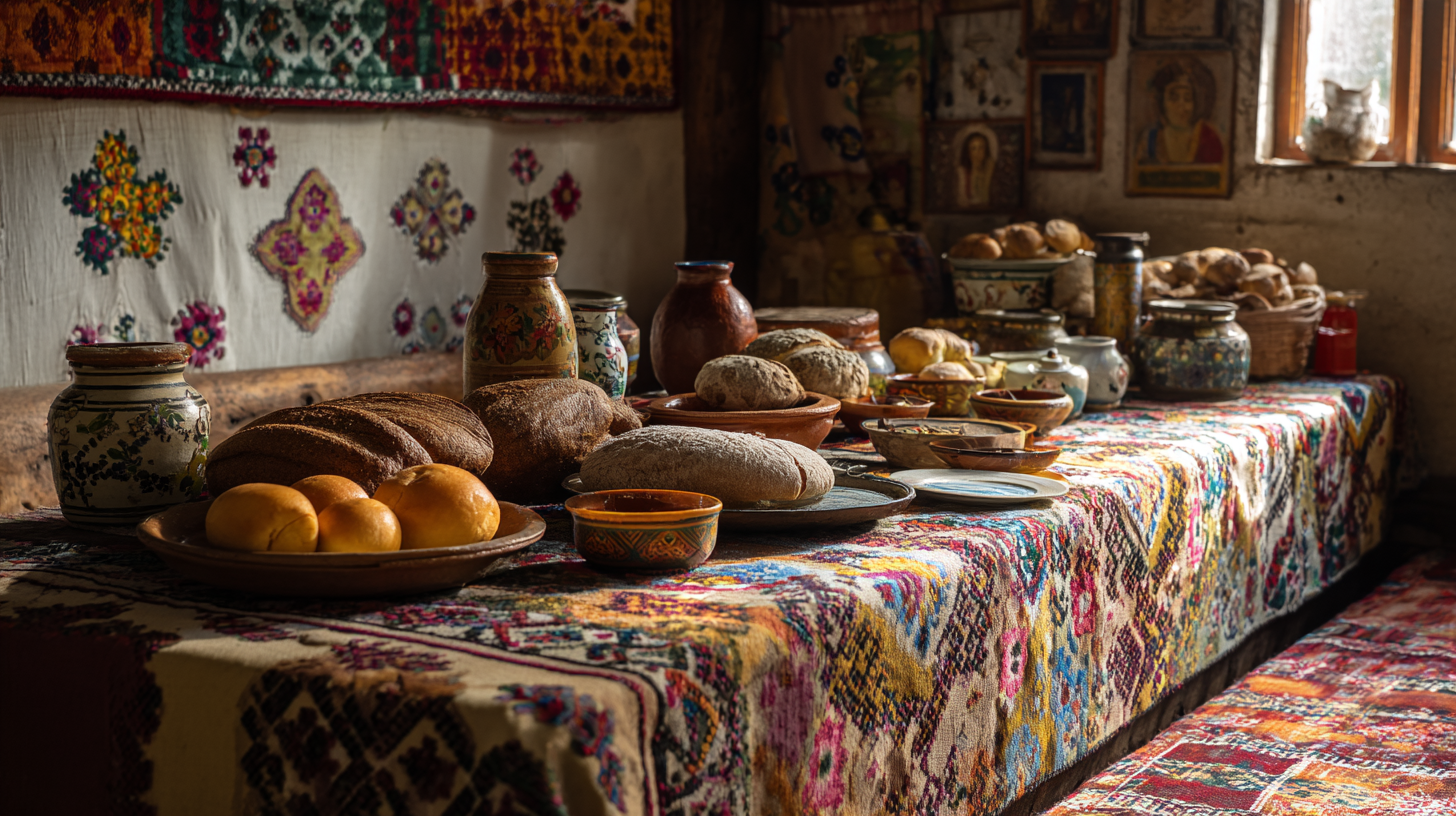
Textiles, embroidery, carving, baking, farming rhythms, roadside shrines, feast days, and family-based hospitality all help define the countryside. These details matter because they keep rural culture from turning into a purely visual experience. Travelers do not simply observe a village; they encounter a way of inhabiting space and time that often differs sharply from urban travel. That slower rhythm is one of the most valuable parts of the experience.
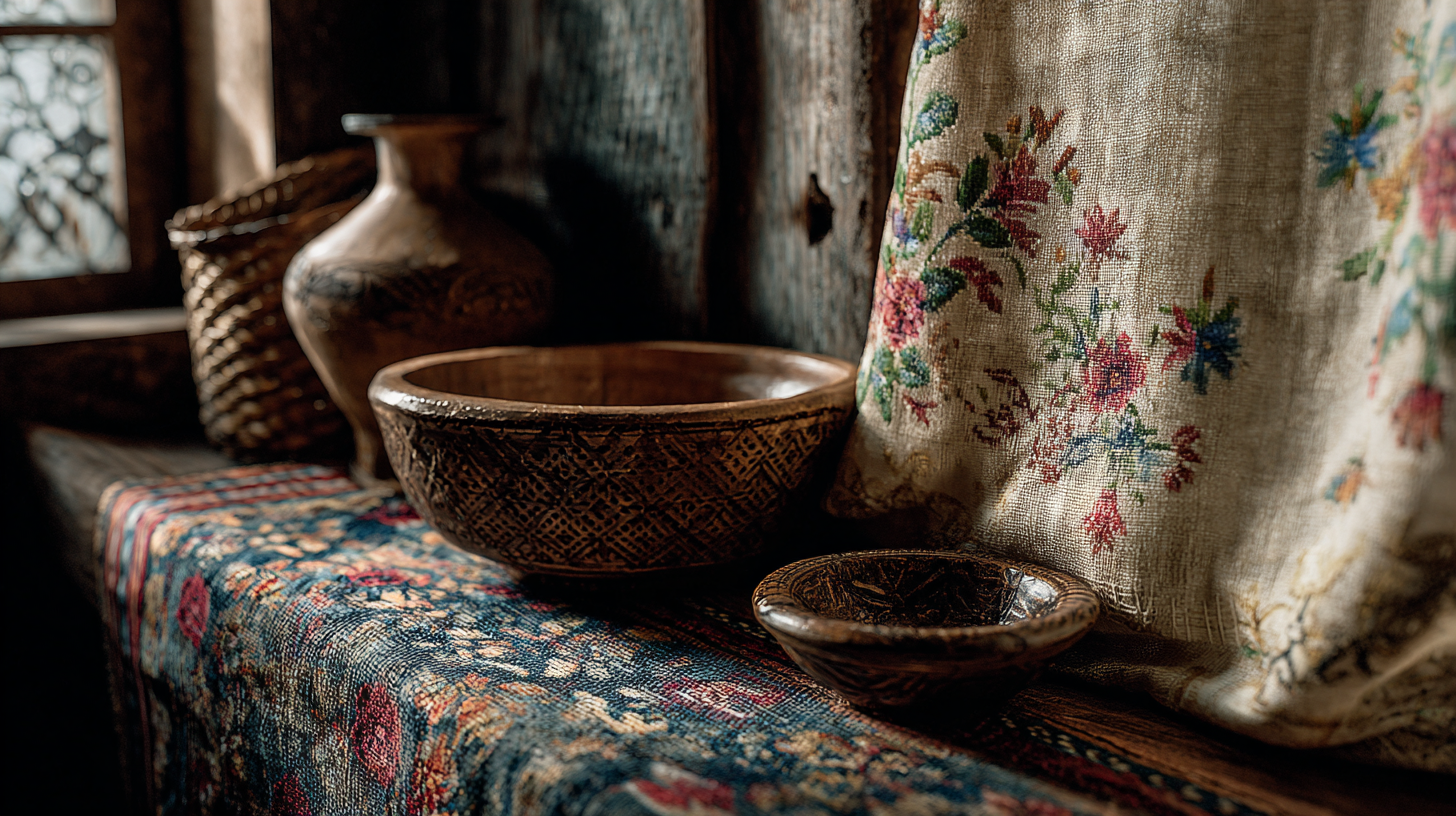
This is also why rural Romania appeals so strongly to people looking for slow travel rather than box-ticking tourism. Villages reward attention, patience, and conversation. Their value unfolds best when travelers allow room for atmosphere instead of rushing from site to site.
Our guide to Romanian art and culture explores how rural craft connects with religious painting, sculpture and the country’s wider creative traditions.
The Pace of Village Travel
One of the biggest differences between city-based travel and village travel is tempo. In Romanian villages, the day often feels less fragmented and more rooted in recurring routines. Roads are quieter, distances are felt differently, and the landscape becomes part of everyday movement rather than a separate attraction. This change of pace is not incidental. It is one of the reasons traditional Romanian villages feel so restorative to many visitors.
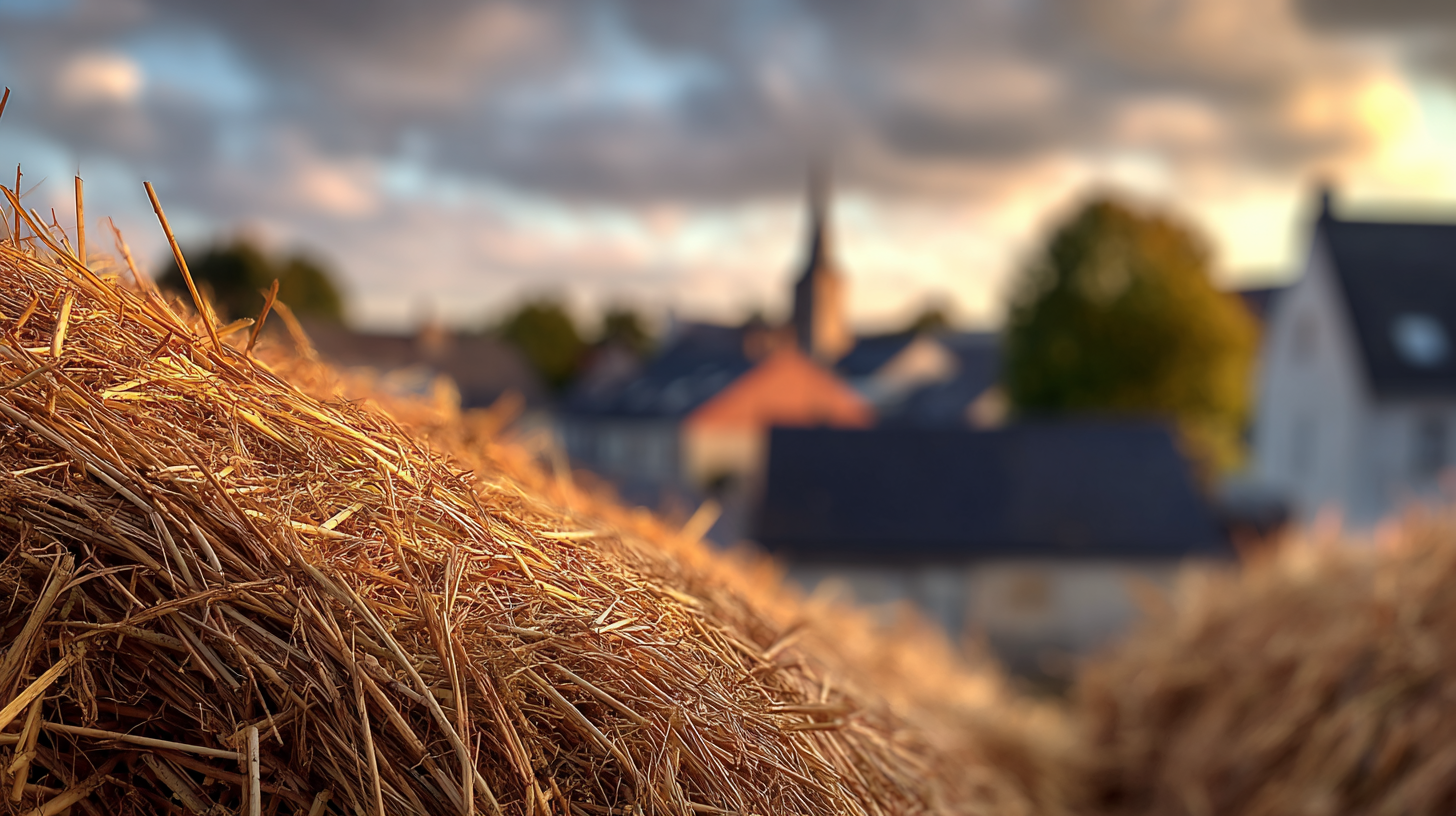
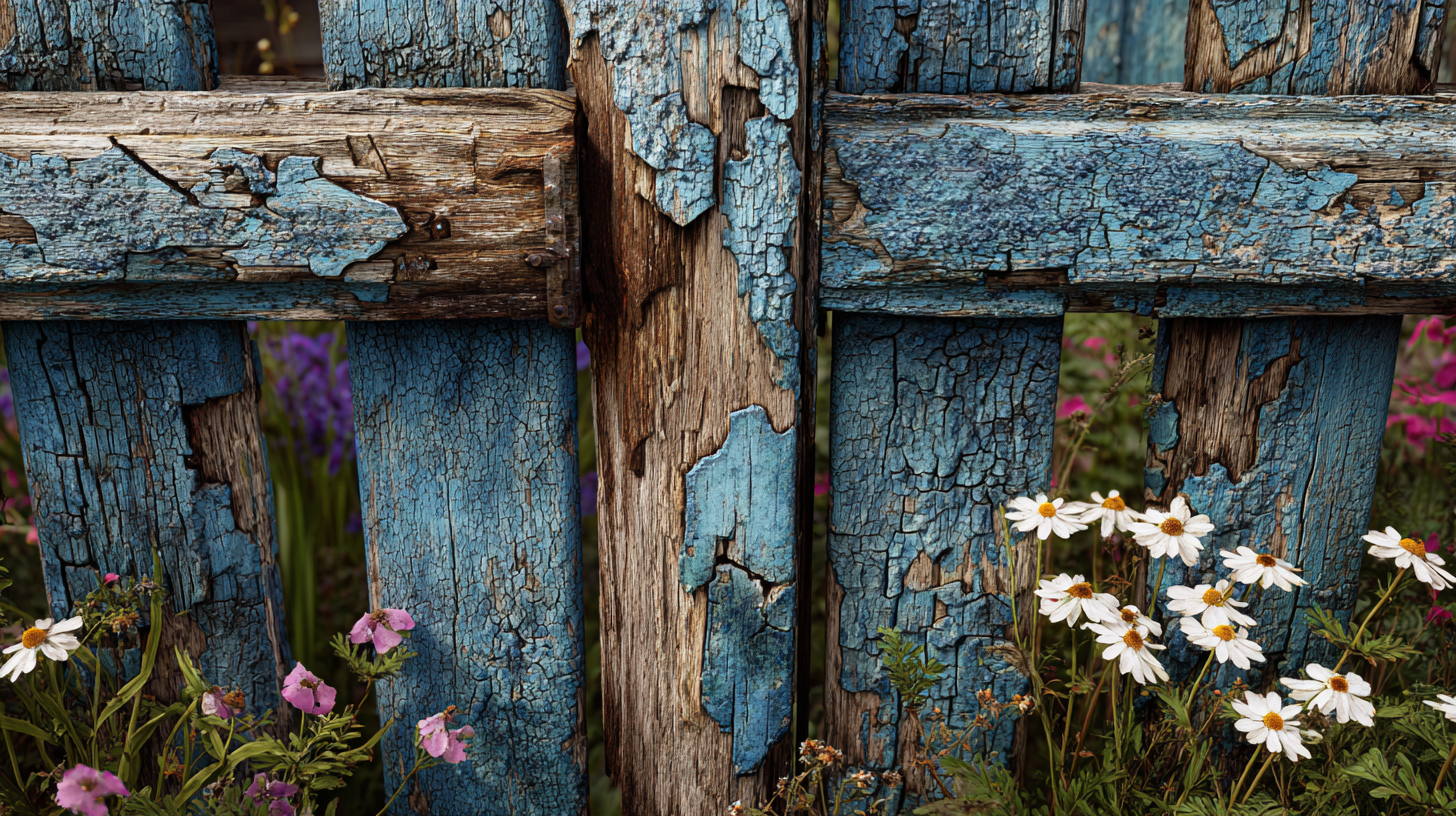
The slower rhythm also helps travelers notice small details that might be missed elsewhere. A carved gate, a haystack in late light, a church tower rising above a cluster of roofs, or the texture of old wood on a hillside house can become more memorable than a major landmark in a busier destination. Rural travel here works best when the visitor stops trying to optimize every hour and instead allows the village itself to set the pace. That shift is one of the quiet pleasures of the Romanian countryside.
Use our guide to things to do in Romania to place a village stay within a wider trip without turning it into a rushed detour.
Villages, Mountains, and the Wider Landscape
Romania’s villages are often at their most powerful when seen in relation to the landscapes around them. Meadows, orchards, hills, and mountain edges give the settlements a sense of continuity with the land rather than separation from it. This is one reason rural travel in Romania can feel especially rich. The villages are not just points on an itinerary, but part of broader cultural landscapes that include roads, fields, grazing land, forests, and mountain views.
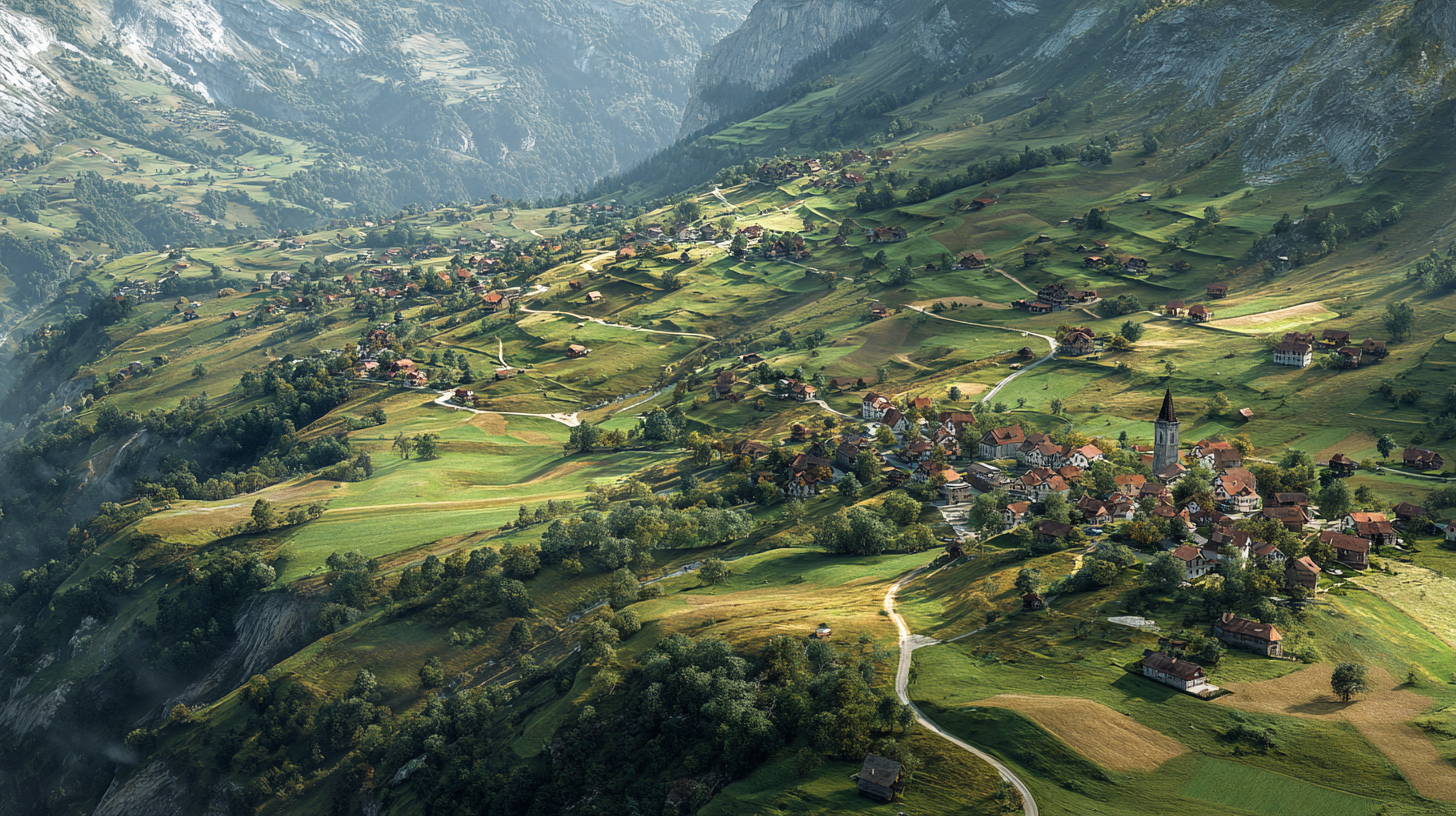
Readers who want to connect this rural world to the wider highland setting can continue with our guide to the Carpathian Mountains in Romania. Many of Romania’s most memorable village experiences are inseparable from the mountain environments that surround them. Together, the two perspectives create a more complete picture of the country.
Why These Villages Matter Now
One reason to write about rural Romania carefully is that these villages matter not only as beautiful travel destinations, but as cultural landscapes under pressure. Modernization, migration, changing building practices, and tourism itself can all reshape traditional environments very quickly. That does not mean the villages should be romanticized as static relics. But it does mean they deserve to be understood as fragile carriers of memory, craft, and identity.
This awareness actually strengthens the travel experience. Visitors who approach traditional Romanian villages with respect are more likely to appreciate them for what they are rather than for what they can be consumed as. The most meaningful village travel is not about “finding the past,” but about recognizing living continuity where it still survives. Romania offers that possibility more vividly than many destinations in Europe.
Conclusion
The lasting appeal of traditional Romanian villages lies in the fact that they offer much more than picturesque streets and rustic charm. From the wooden atmosphere of the Maramures villages and the remarkable wooden churches of Maramures to the ordered beauty of the Saxon villages in Romania, the countryside reveals a country whose rural culture still feels textured, regional, and deeply lived-in. Romania rural culture is at its most powerful when experienced slowly, with attention to landscape, craft, and everyday rhythm. For travelers seeking a richer and more grounded side of Romania, the villages are among the best places to begin.