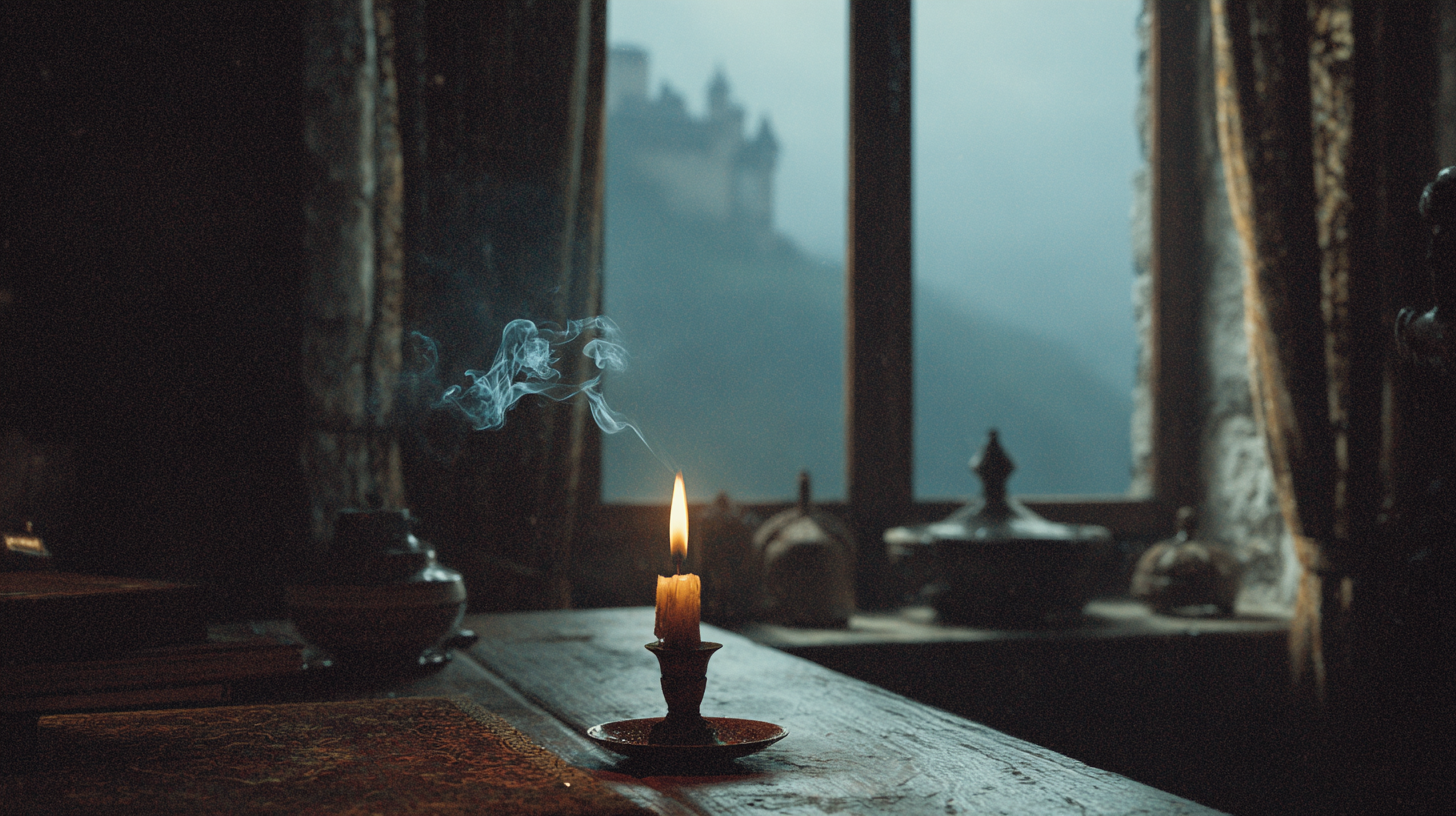
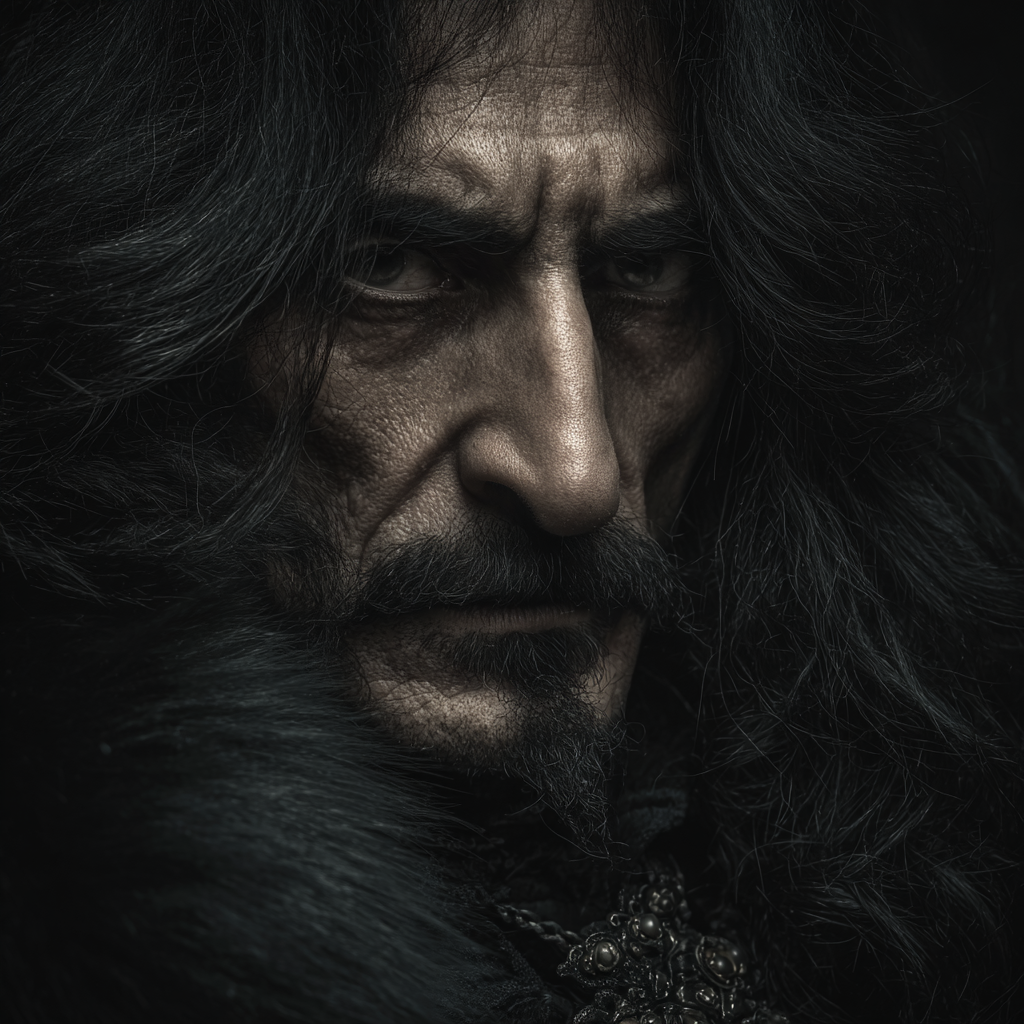
Transylvania has become one of Europe’s most mythologized regions, but reducing it to a single vampire story misses what makes it so compelling. The real fascination of Transylvania myths and legends lies in the way landscape, history, and imagination overlap so naturally. Dense forests, fortified churches, mountain passes, medieval streets, and centuries of cultural mixing all create a region that feels unusually receptive to story. The myths are memorable, but what gives them power is the place itself.
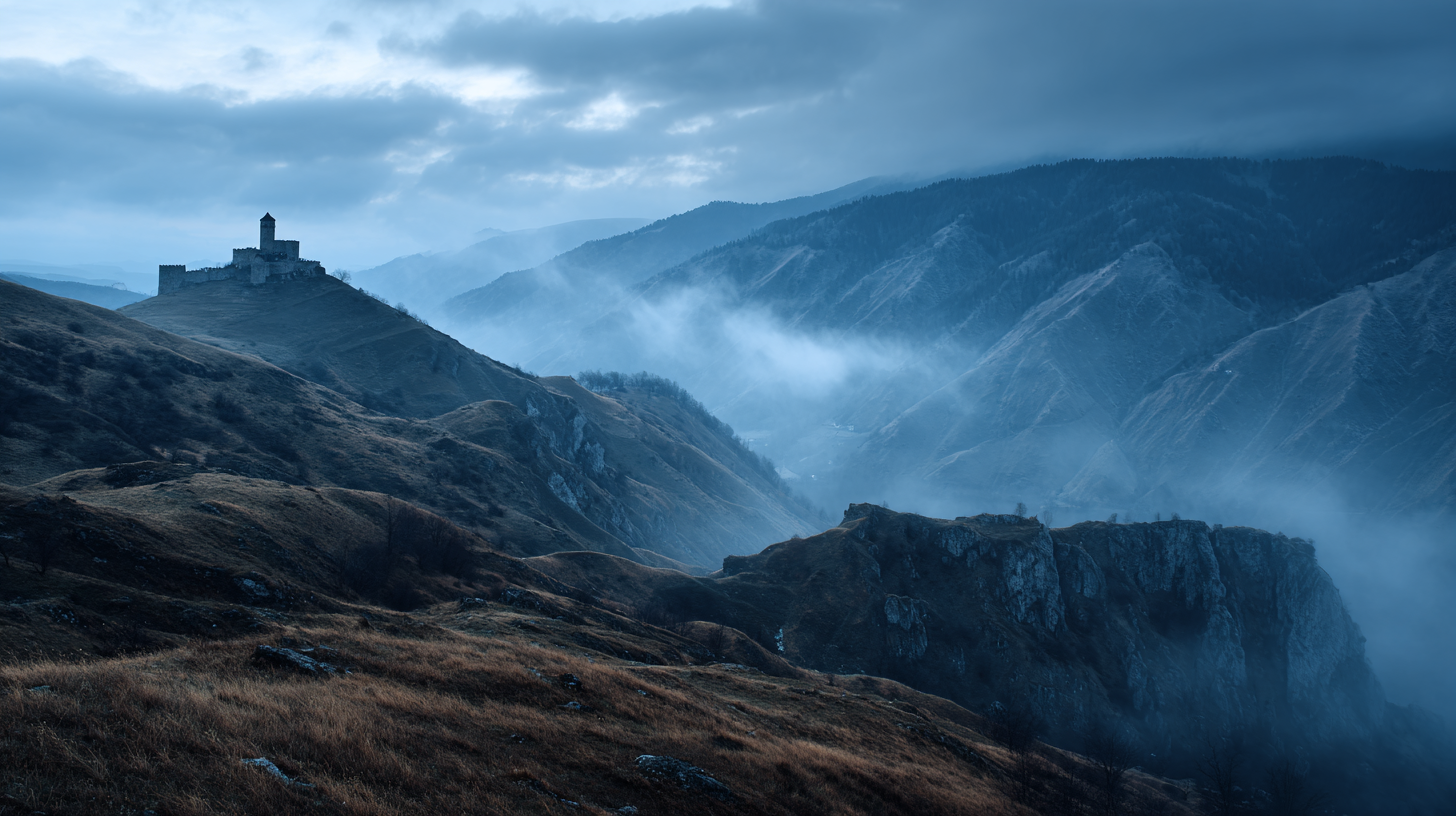
This is why Transylvania continues to draw travelers long after the novelty of Dracula imagery has worn thin. It offers something deeper than a gothic stereotype. The region feels atmospheric because its history is layered and its geography is dramatic, not because it was designed around dark tourism. Legends survive here because the environment still supports them. A misty ridge, a fortified town at dusk, or a castle seen against the mountains does a great deal to explain why storytelling became part of the region’s identity.
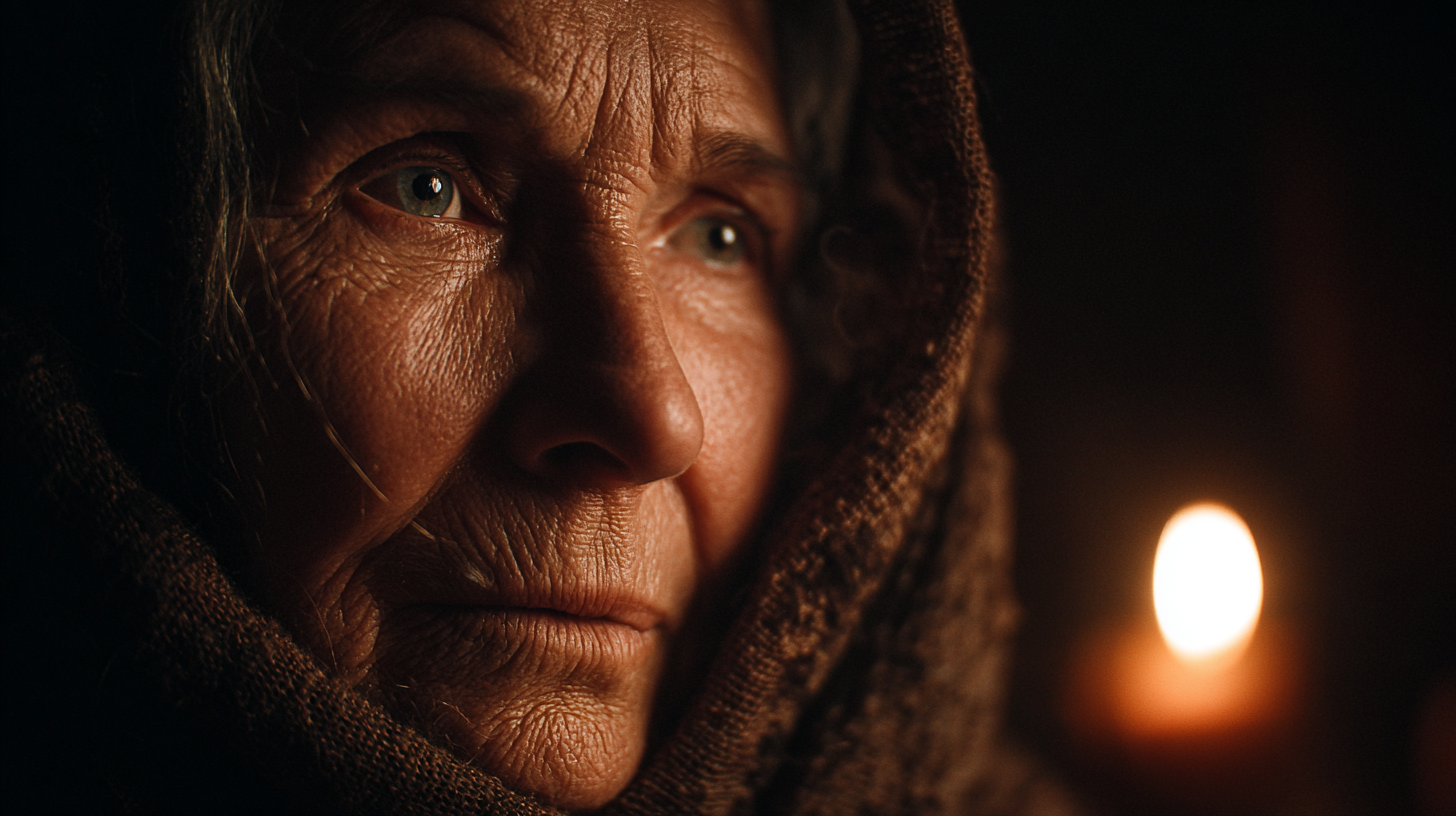
A stronger way to write about Transylvania, then, is not to ask whether its myths are true, but why they took root so firmly. That question opens up a richer travel experience. It allows readers to appreciate the region not only for its famous legends, but also for the world that made them possible in the first place.
Why Transylvania Became a Land of Stories
The name Transylvania itself has always encouraged the imagination. Often interpreted through the idea of a land “beyond the forest,” it immediately suggests remoteness, distance, and mystery. Geography reinforces that impression. Surrounded by mountains and shaped by forests, valleys, and fortified settlements, the region has long carried a sense of separation from the outside world. That physical setting alone helps explain why Transylvania myths and legends feel so persistent.
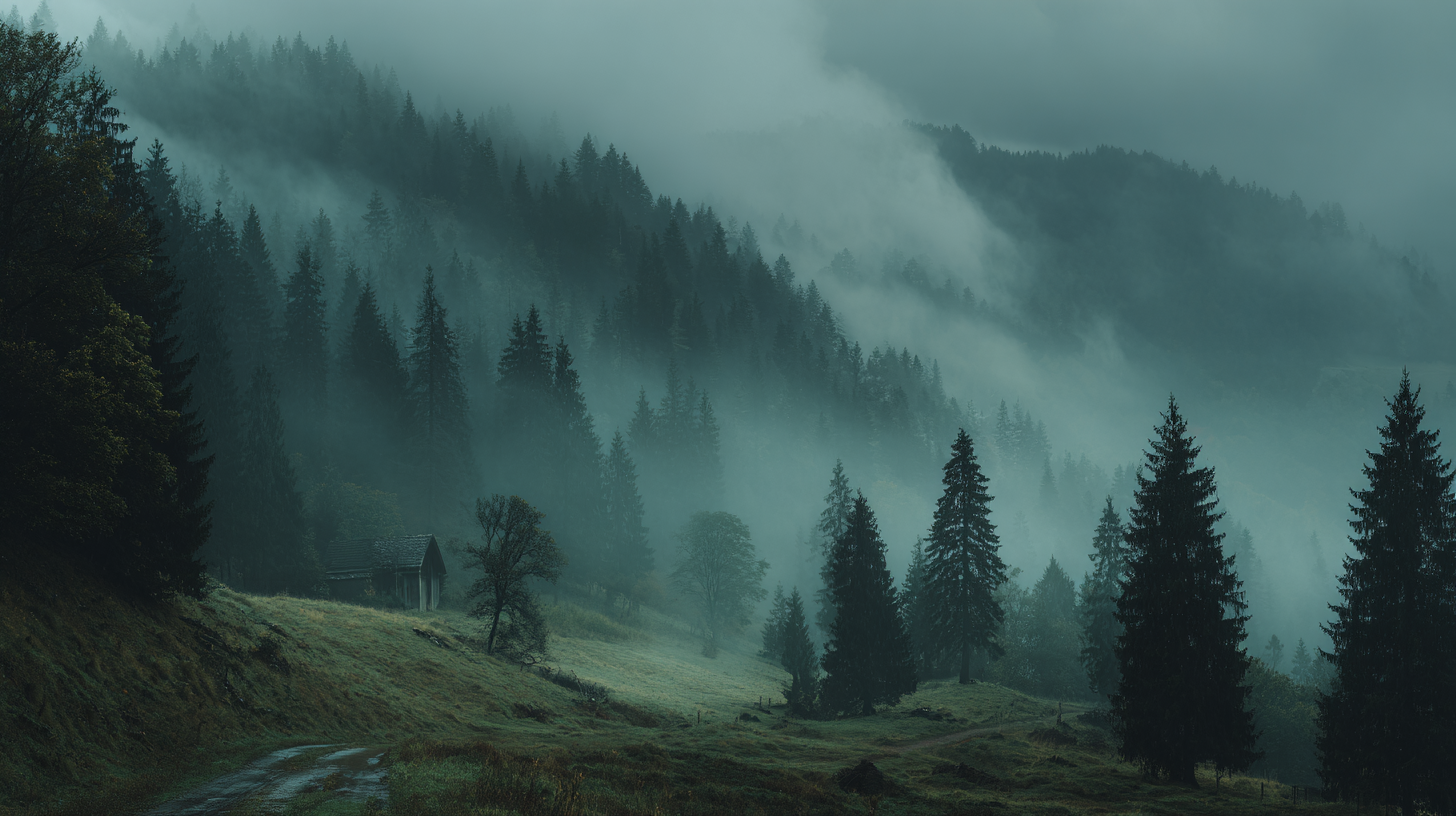
But geography is only part of the picture. Transylvania was also shaped by a complex historical mix of Romanian, Hungarian, Saxon, and other influences, along with borderland politics, religious change, and long-standing folk traditions. This created a cultural landscape full of local stories, fears, beliefs, and symbolic places. The result is not one unified legend, but a whole atmosphere of narrative possibility. Myth here feels woven into history rather than pasted on top of it.
That layered quality is what makes the region so rewarding for travelers. The myths are strongest when they are encountered through towns, roads, fortifications, and oral traditions, not just through souvenir versions of Dracula. The more context a visitor has, the more compelling Transylvania becomes.
Beyond Dracula: The Real Depth of Transylvanian Folklore
One of the biggest mistakes in travel writing about the region is assuming that all of Transylvanian folklore leads back to Dracula. In reality, the folklore of Transylvania is much broader and older than Bram Stoker’s novel. It includes beliefs about restless spirits, forest beings, curses, omens, protective customs, and the porous boundary between the living and the dead. These stories were not invented for visitors. They emerged from village life, seasonal rhythms, religious belief, and the uncertainty of older rural worlds.
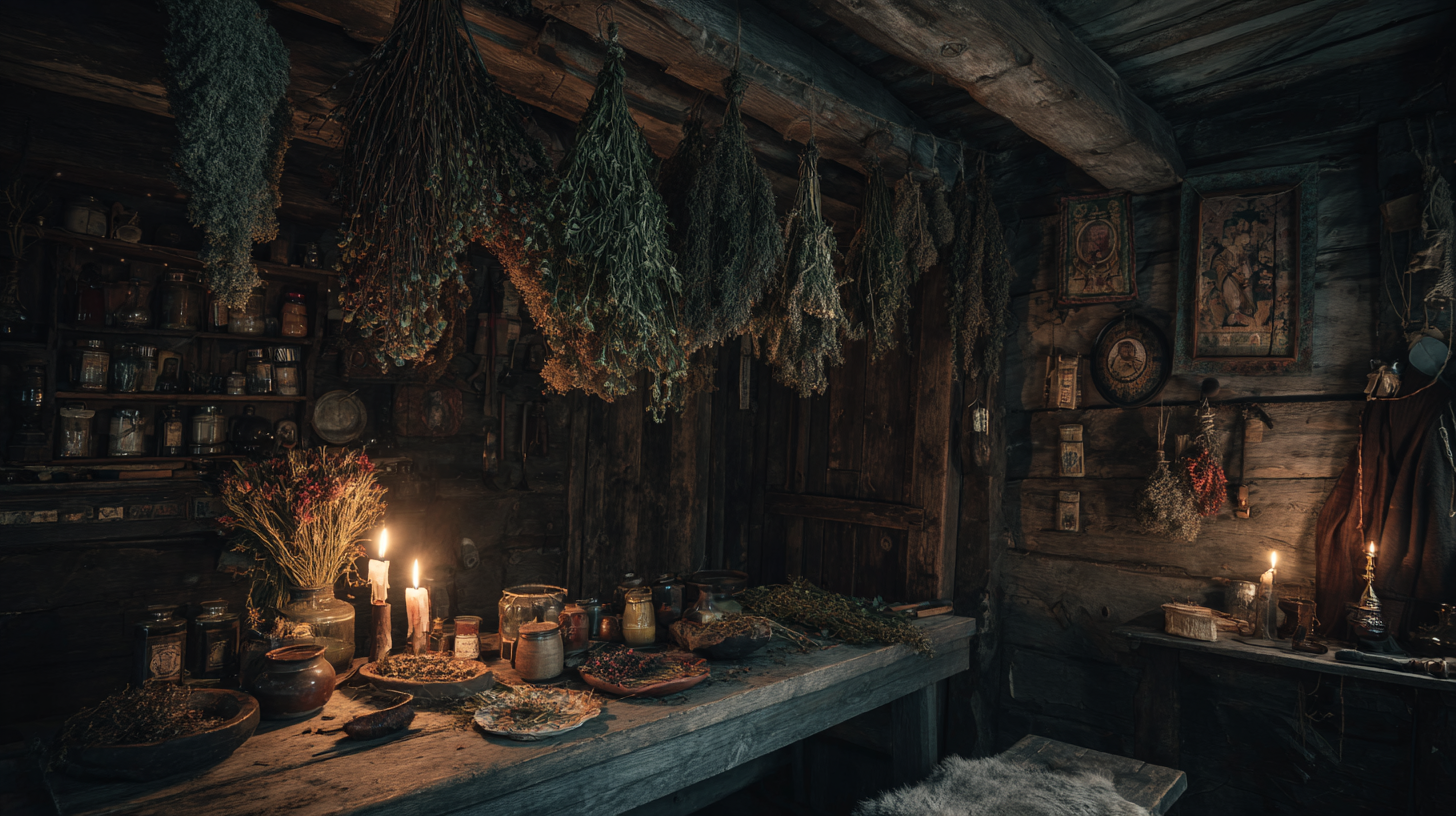
That is what gives Transylvanian folklore its depth. It reflects a society in which darkness, illness, death, weather, and the unknown were felt more directly and explained through stories that gave shape to fear. These stories could be moral, protective, symbolic, or simply haunting. They created a mental map of the world that made certain forests, houses, roads, and individuals feel charged with meaning. This wider folklore matters because it places Dracula within a much older storytelling tradition rather than treating him as the whole identity of the region.
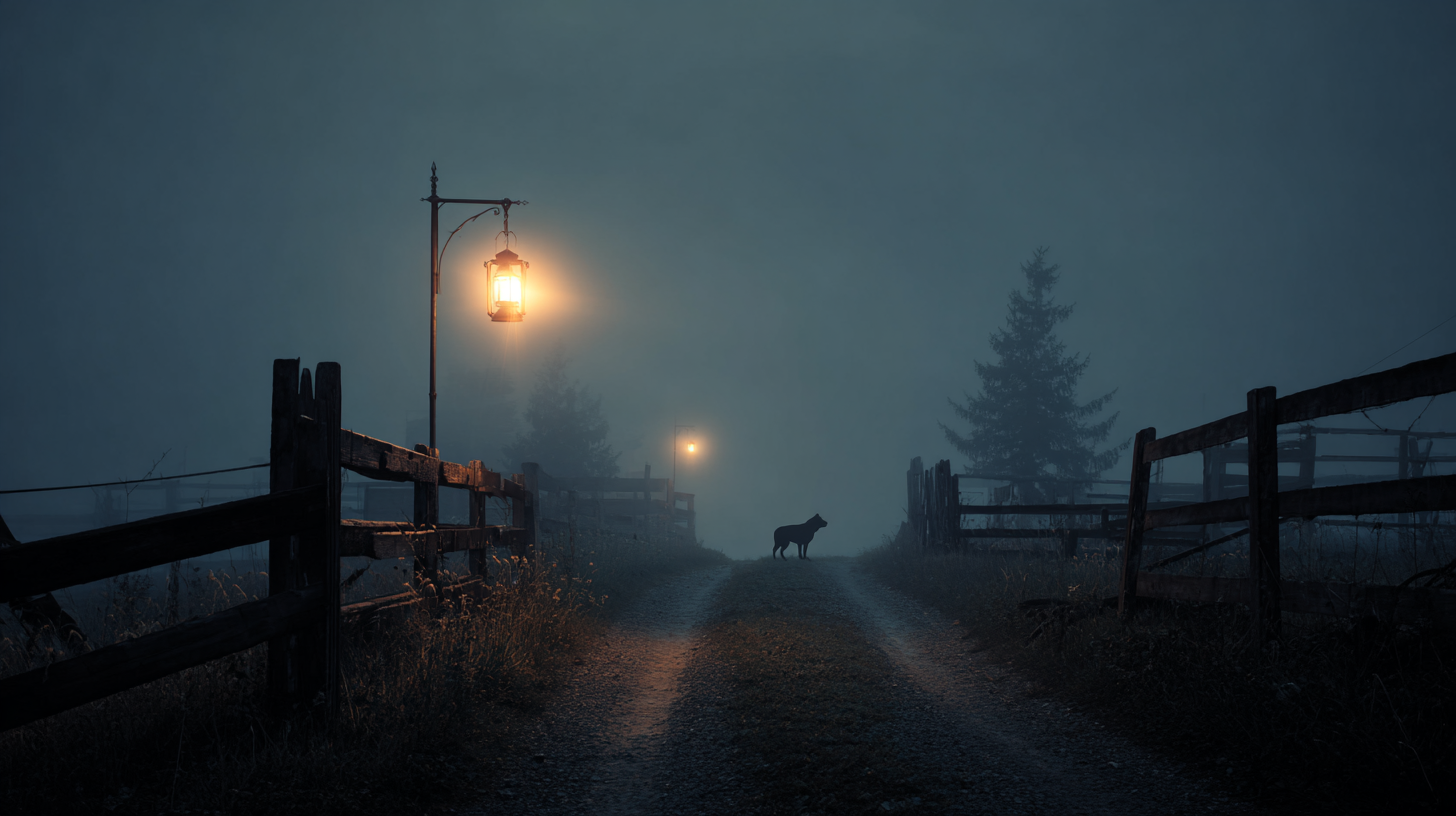
For travelers, this opens the door to a better kind of Transylvania experience. Instead of chasing only the most famous myth, they can appreciate how folklore was embedded in daily life and local memory. The region becomes richer when understood as a place of many legends, not one brand.
Bran Castle Dracula and the Power of Association
No discussion of Transylvania myths and legends can avoid Bran Castle, but the most interesting thing about the site is not simply whether it is “really Dracula’s castle.” It is how powerfully myth and architecture fused around it. The popular association of Bran Castle Dracula became so strong because the castle fits the imagination almost too perfectly: elevated, dramatic, medieval, and visually close to the castle many readers picture when they think of gothic Transylvania. Its symbolic strength matters more than literal accuracy.
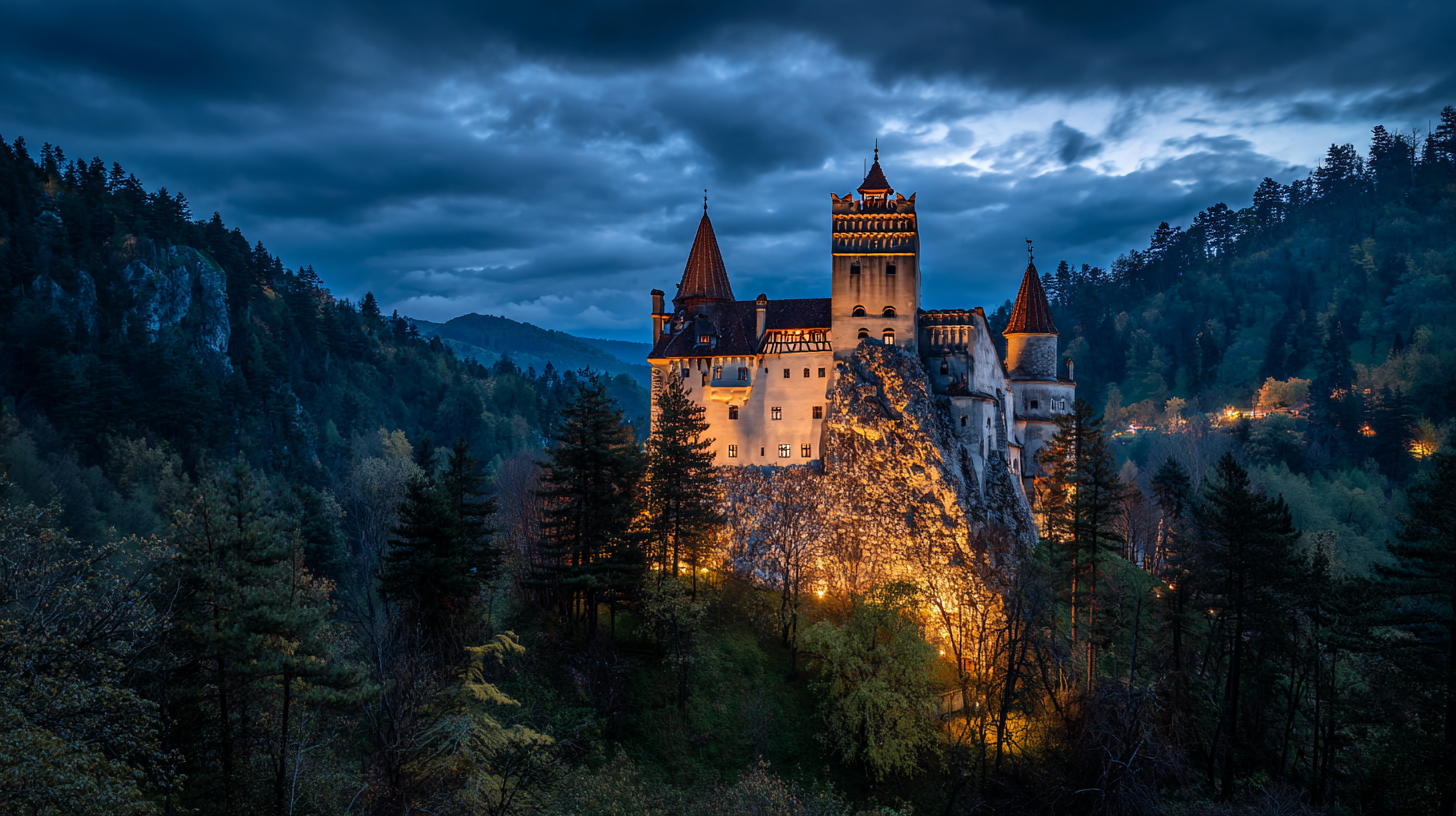
This distinction is important because it improves the quality of the article. Bran Castle is not valuable only because it feeds a myth. It is valuable because it shows how literature, tourism, history, and place can reinforce one another over time. The official Bran Castle website itself leans into this interplay of history, myth, and atmosphere, which makes it a natural external reference for readers who want to explore the site more directly. The castle is where many visitors first encounter the Transylvania legend complex in physical form.
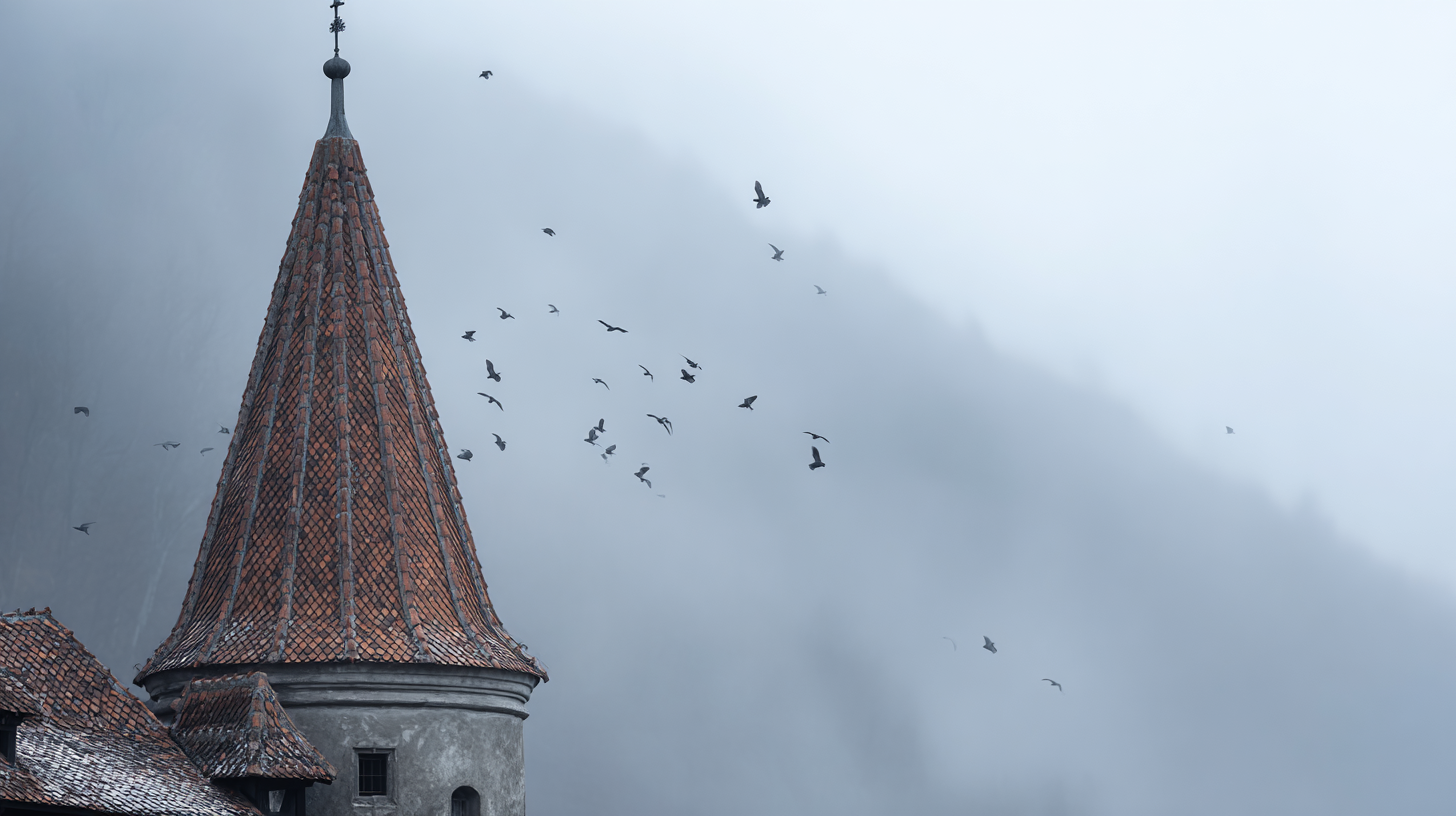
At the same time, the castle becomes more interesting when seen with perspective. It is not just a prop for vampire tourism, but a real medieval structure with its own history and changing meanings. That tension between fact and fantasy is exactly what gives Bran Castle its enduring fascination.
Vlad the Impaler Romania and the Making of a Legend
Another reason the Dracula myth became so powerful is the shadow of Vlad the Impaler Romania cast over the popular imagination. Vlad III was a historical ruler of Wallachia, not a fictional vampire, yet his reputation for violence and severity gave later writers and readers a dark historical figure onto whom legend could easily attach itself. This is one of the most important distinctions to preserve in the article. Myth becomes more compelling when readers understand where history ends and invention begins.
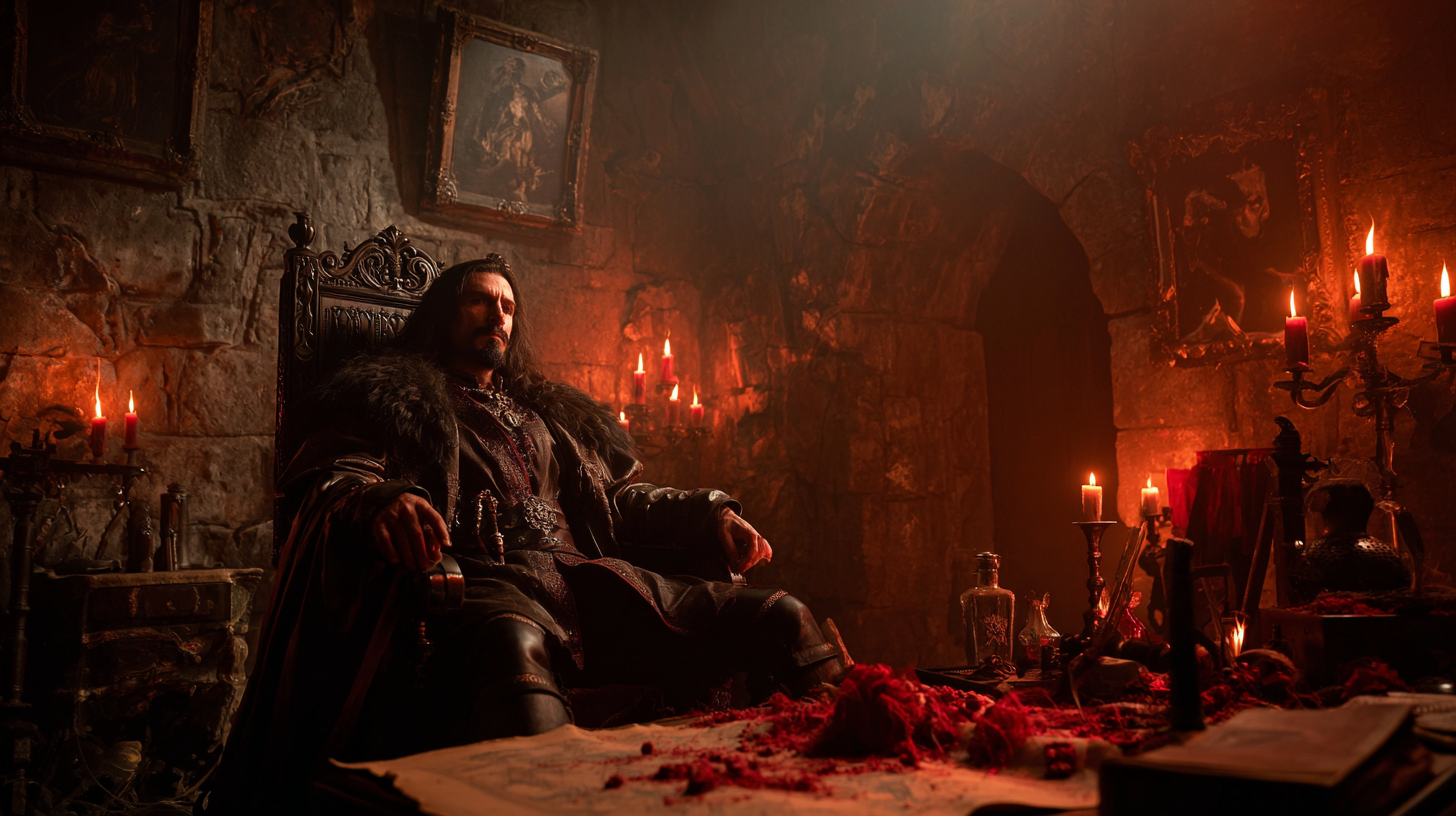
The connection between Vlad the Impaler Romania and Dracula is therefore real, but indirect. Bram Stoker drew on the name and on the aura of cruelty associated with Vlad, but the fictional Count Dracula emerged from literary imagination rather than historical biography. This gap between person and myth matters because it reveals how legends grow. They do not require exact truth. They require suggestive fragments, memorable names, and a landscape capable of carrying symbolic weight.
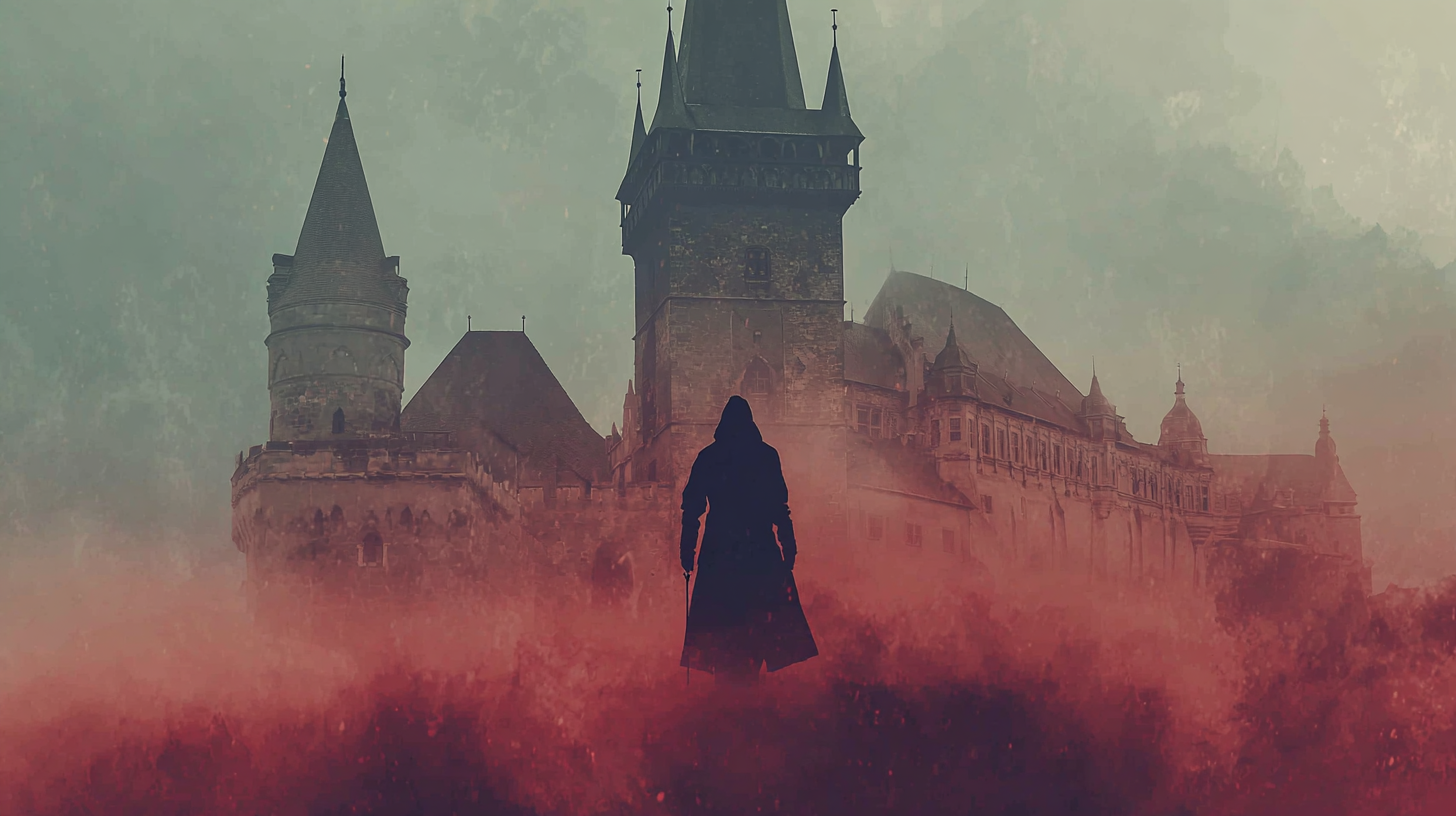
For travelers, this makes Transylvania more intellectually interesting. The region is not only about eerie stories, but about how history is reshaped into myth and then turned into cultural identity. That is a far stronger theme than simply retelling a familiar vampire narrative.
Saxon Towns in Transylvania and the Atmosphere of the Region
If the castles and forests explain the darker side of the region’s mythology, the towns help explain its historical richness. The Saxon towns in Transylvania add architectural substance and cultural depth to the story. Places like Sibiu, Sighisoara, and Brasov show a more structured, urban, and historical side of the region, with medieval squares, towers, churches, and fortified elements that make the myths feel grounded in real civic history. These towns are not side notes to the legend. They are part of the reason the legend feels believable.
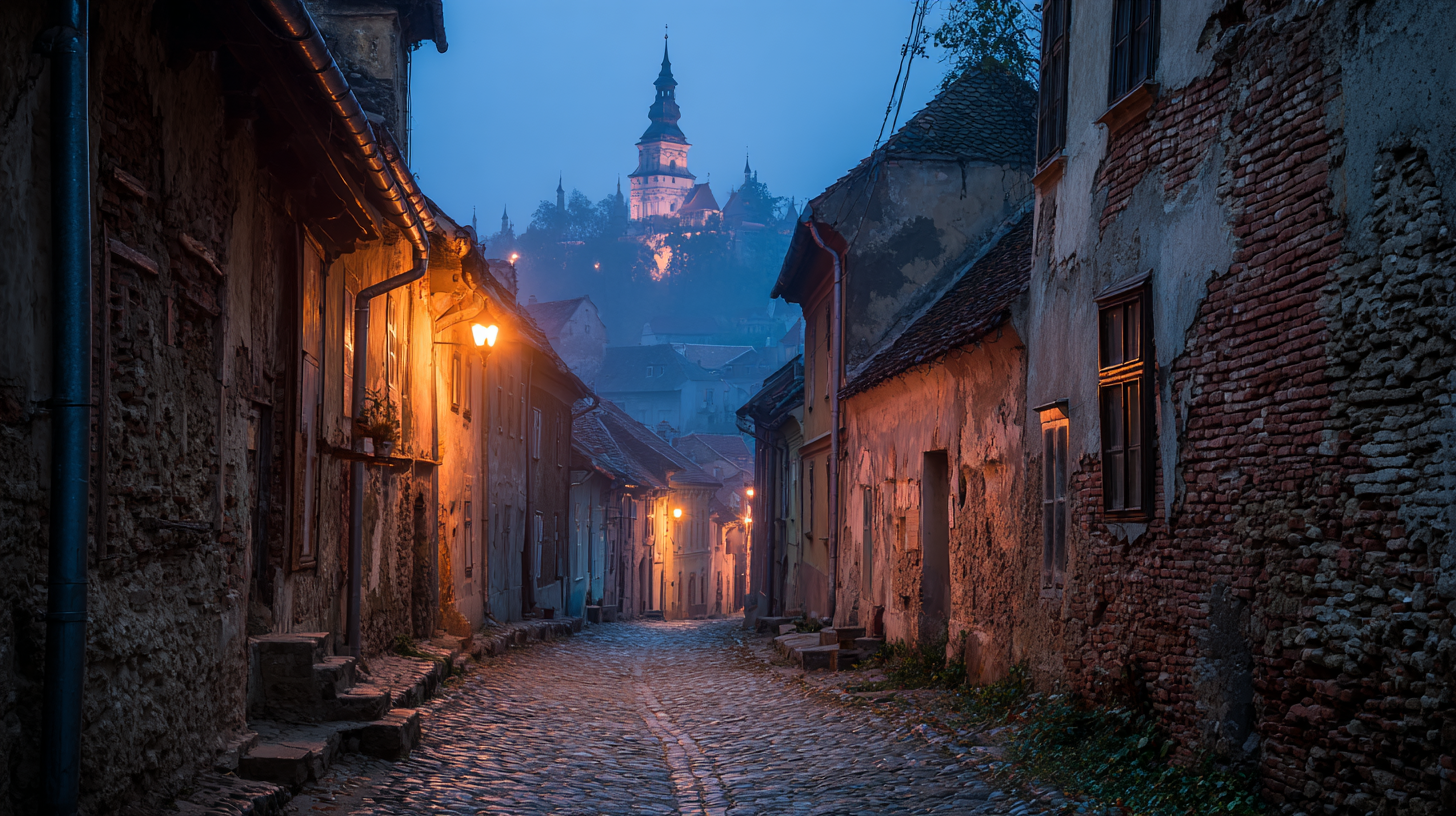
What makes the Saxon towns in Transylvania so important is their atmosphere. They preserve the texture of older Central European urban life while remaining deeply tied to the surrounding landscape of hills, forests, and fortified villages. This creates an unusual combination of civilization and mystery. The towns feel orderly and historical, yet never fully detached from the sense of myth that hangs over the wider region. That balance is one of Transylvania’s greatest strengths.
Travelers who want to continue into the architectural side of Romania’s past can follow that thread with our guide to Romania’s legendary castles. That internal link fits naturally here because castles and fortified spaces help anchor the region’s legends in visible, physical heritage.
Forests, Mountains, and the Visual Language of Mystery
Part of what makes Transylvania myths and legends so durable is that the region still looks like the sort of place where stories could survive. Forests remain central to the visual identity of Transylvania, and the mountain framing of the region reinforces the feeling of distance and enclosure. A place does not need to be literally haunted to feel emotionally charged. It only needs the right visual language: shifting mist, dark tree lines, old roads, uneven light, and architecture that seems to carry time within it.
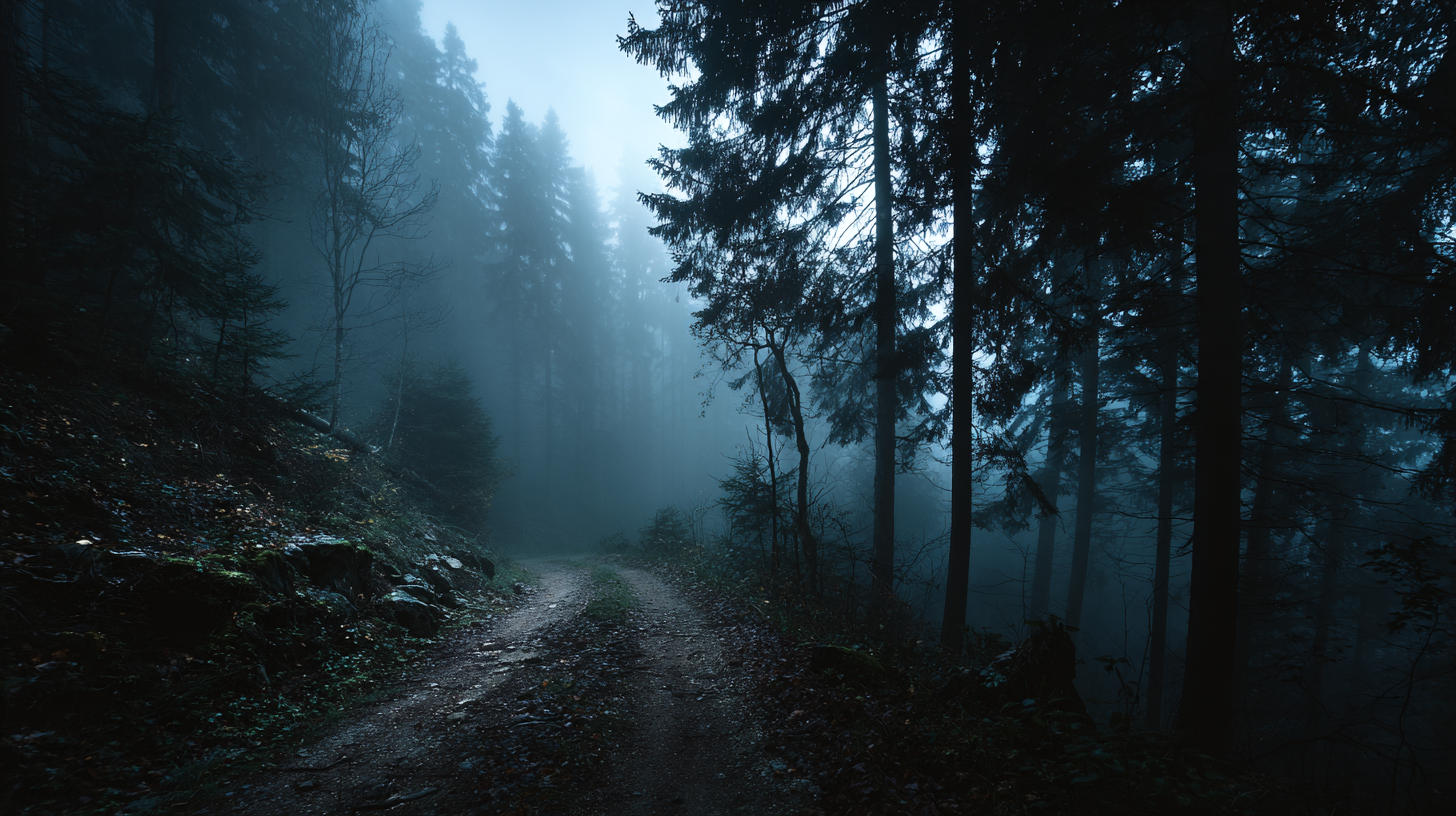
This matters because many travel articles over-explain myth instead of letting landscape do its work. In Transylvania, atmosphere is not decorative. It is one of the foundations of the storytelling tradition. The terrain encourages metaphor, memory, and projection. It is easy to see why people once invested forests and crossroads with meaning, or why travelers still respond so strongly to the region’s mood.
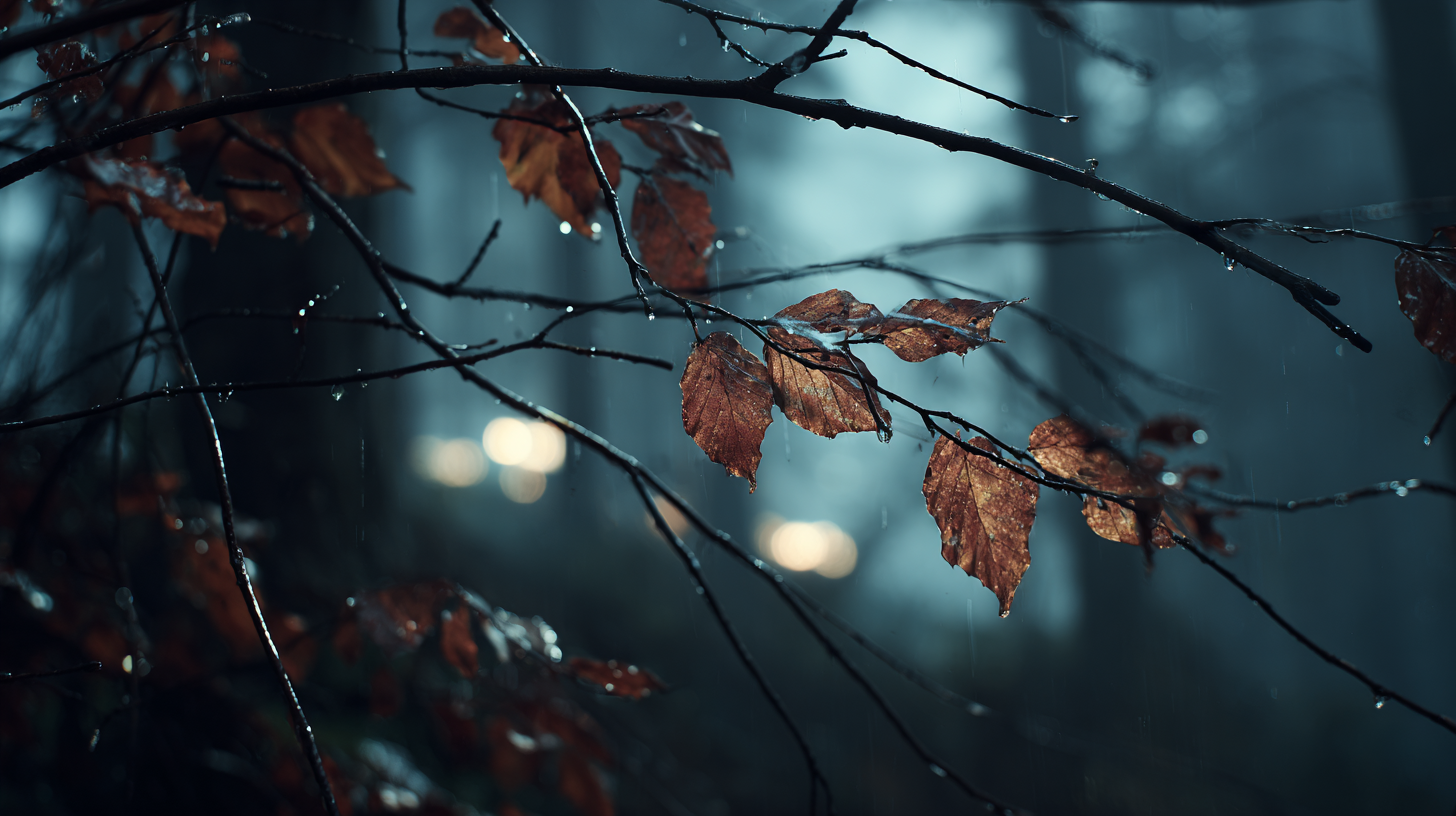
That visual power also helps the region avoid feeling like a themed destination. Even when tourism leans into Dracula imagery, the underlying landscape remains serious enough to support a more reflective experience. This gives the article depth and saves it from cliché.
Why Travelers Still Come for the Legends
Modern travelers come to Transylvania for many reasons: medieval towns, mountain scenery, castles, photography, folklore, and yes, the Dracula association. But what keeps the region compelling is that it offers more than one emotional register at once. It can be eerie, beautiful, intellectual, romantic, and historically rich within the same itinerary. That variety is what gives Transylvania myths and legends lasting travel value.
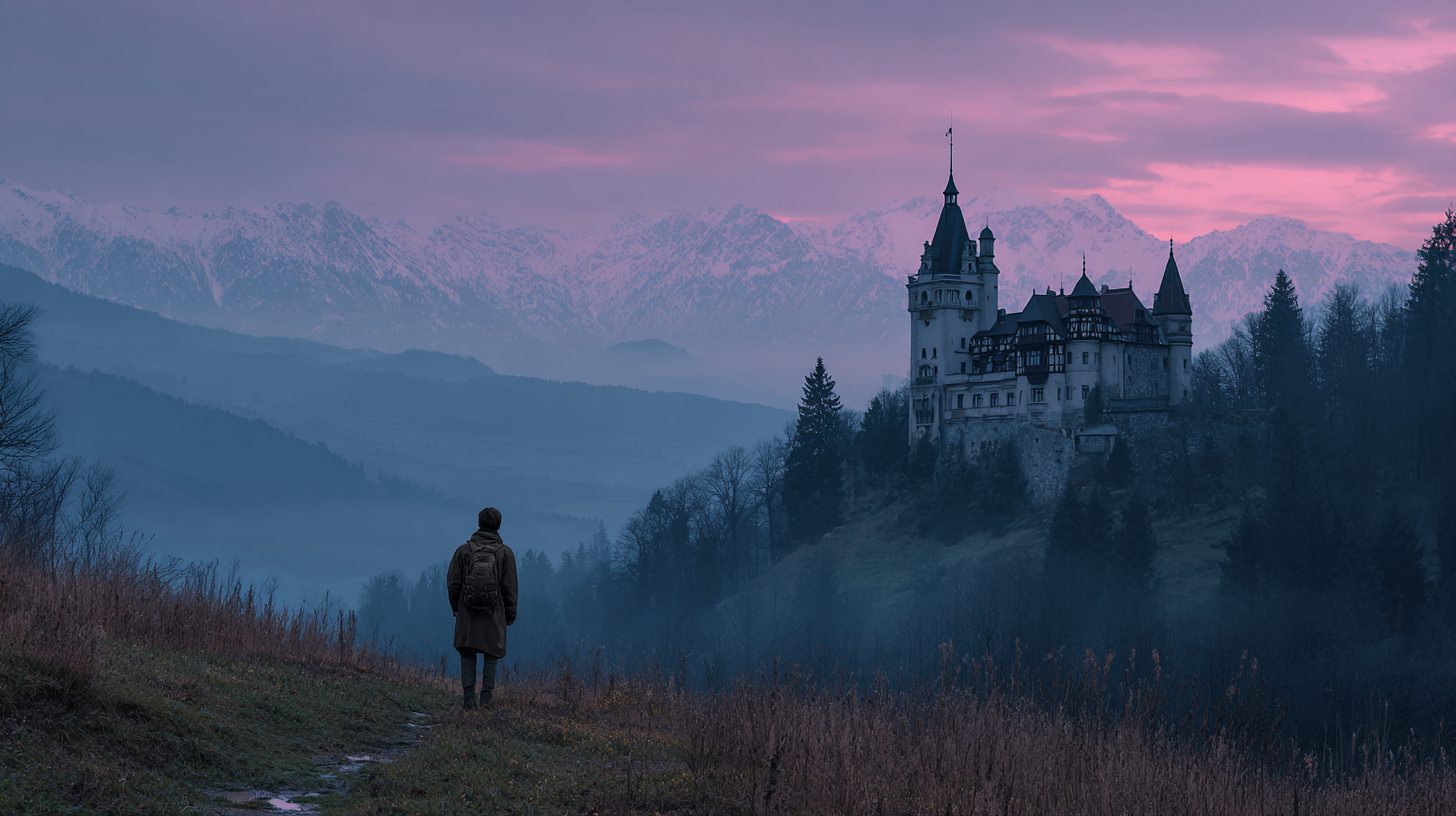
A visitor may begin with curiosity about Dracula and leave thinking instead about fortified towns, local folklore, borderland history, and the strange beauty of a region where stories still feel at home. That is the strongest outcome a travel article can encourage. It shifts the reader from stereotype toward discovery. In that sense, myths become the entry point, not the endpoint.
Conclusion
The enduring appeal of Transylvania myths and legends lies in the fact that the region offers more than a single gothic cliché. It is a place where Transylvanian folklore, medieval history, forests, mountains, and architecture all support a world that genuinely feels shaped by stories. From the symbolic pull of Bran Castle Dracula to the historical shadow of Vlad the Impaler Romania and the haunting beauty of the Saxon towns in Transylvania, the region remains fascinating because myth and reality never fully separate. For travelers, that is exactly what makes Transylvania unforgettable.