
These are planning estimates rather than fixed visit lengths. Choose one major museum per day if you prefer a slower pace.
Most central sights can be combined on foot. Allow additional travel time for Bygdøy, Vigeland Sculpture Park, Hovedøya and Holmenkollen.
1. Walk on the Oslo Opera House Roof
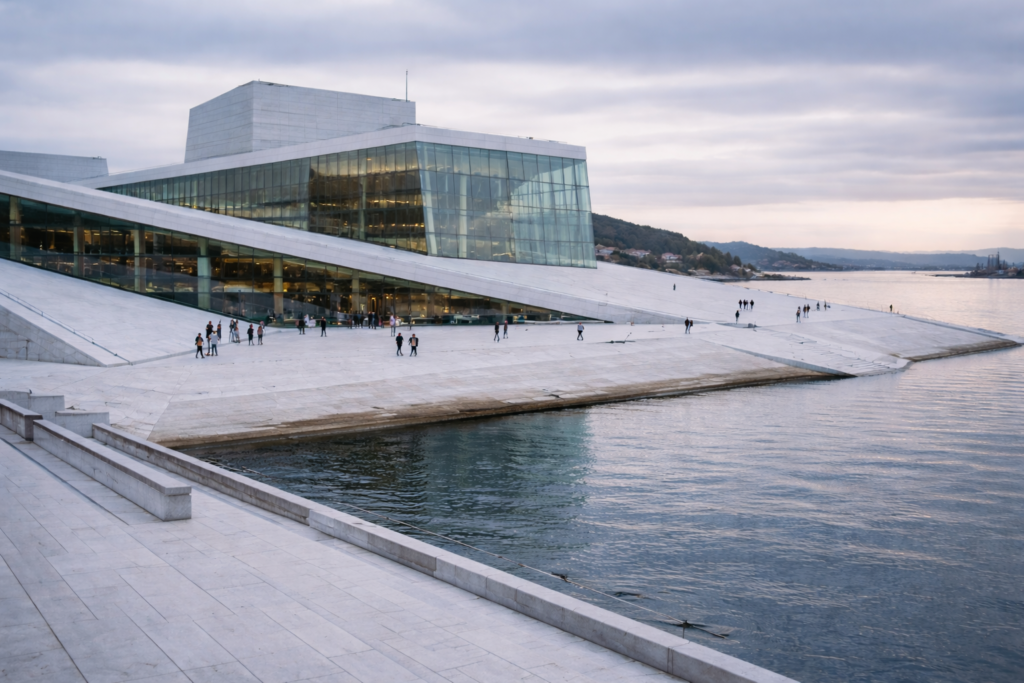
The Opera House is an easy place to begin, especially if you arrive at Oslo Central Station. Its sloping exterior rises from the waterfront, turning the building itself into a public viewing space.
Walk up towards the roof for views across Bjørvika and the inner Oslofjord. You do not need a performance ticket to appreciate the architecture, although a show or guided tour offers a different experience inside.
Next door, Deichman Bjørvika library makes a worthwhile stop for its modern interior. Together, the two buildings introduce the waterfront’s contemporary character without requiring a museum-heavy morning. The official harbour promenade guide describes how this area connects with the rest of Oslo’s waterfront.
Allow extra time if you enjoy architectural photography. In wet or icy conditions, follow signs and any restrictions on roof access.
Best pairing: MUNCH and a walk through Bjørvika.
2. Visit MUNCH for More Than The Scream
MUNCH is the obvious choice if Edvard Munch is one of your reasons for visiting Norway. The museum stands close to the Opera House, so the two fit naturally into the same part of your itinerary.
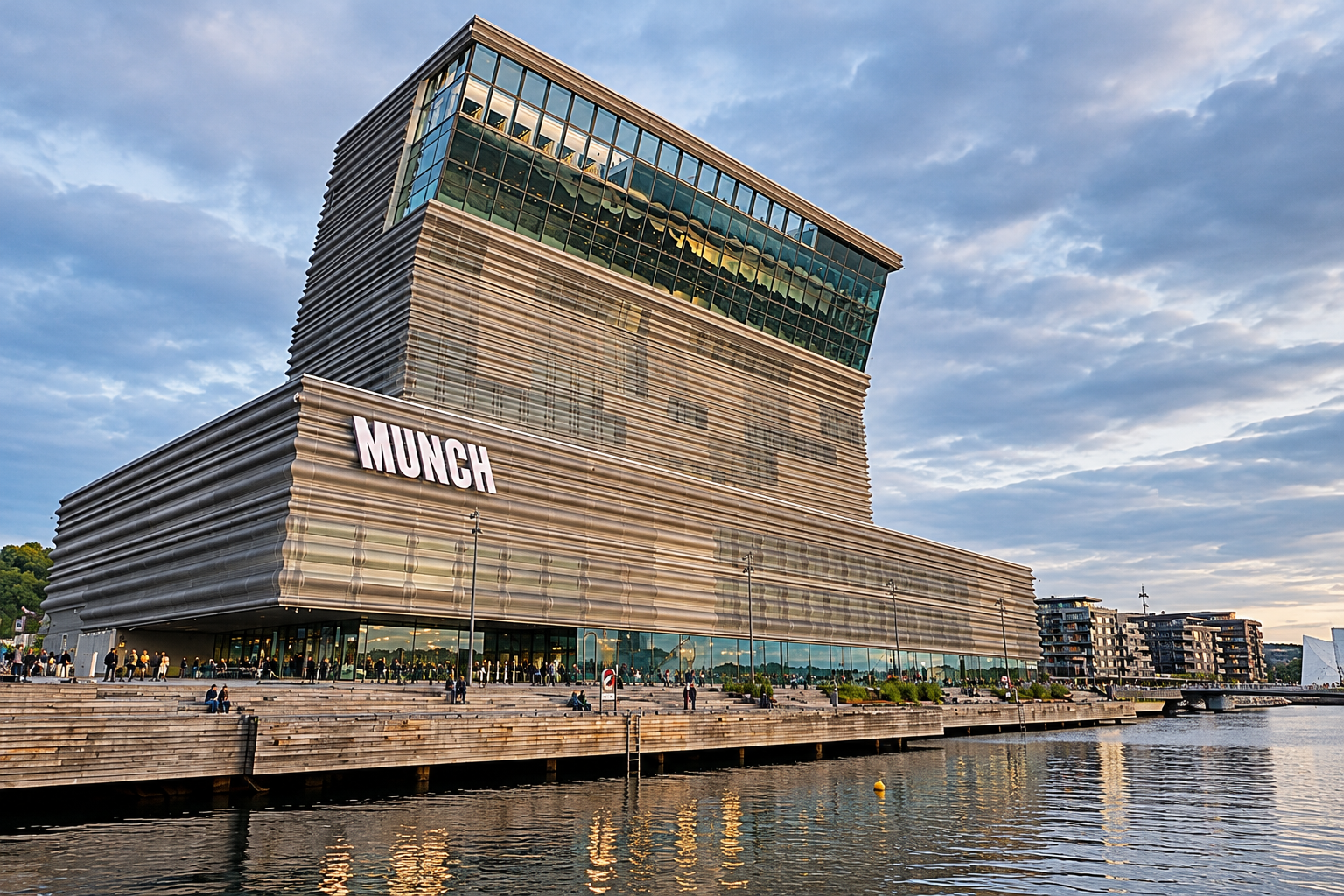
Although The Scream attracts much of the attention, the wider collection gives you a better understanding of Munch’s recurring subjects: relationships, anxiety, illness, and the landscapes around him.
The museum states that a version of The Scream is always on display. Check the current exhibition programme before visiting, particularly if there is a specific work you hope to see. Admission details and opening hours are available on the official MUNCH visitor page.
Allow around two hours for a focused visit, or longer if you want to explore temporary exhibitions as well.
If your interest extends beyond a single museum, our guide to art and literature in Norway provides more context for the country’s cultural landscape.
Best pairing: The Opera House, Deichman Bjørvika, and the eastern waterfront.
3. Explore the Grounds of Akershus Fortress
Akershus provides a change of pace from Bjørvika’s glass and contemporary architecture. Its walls, courtyards, and harbour-facing viewpoints bring Oslo’s older history into a central walking route.
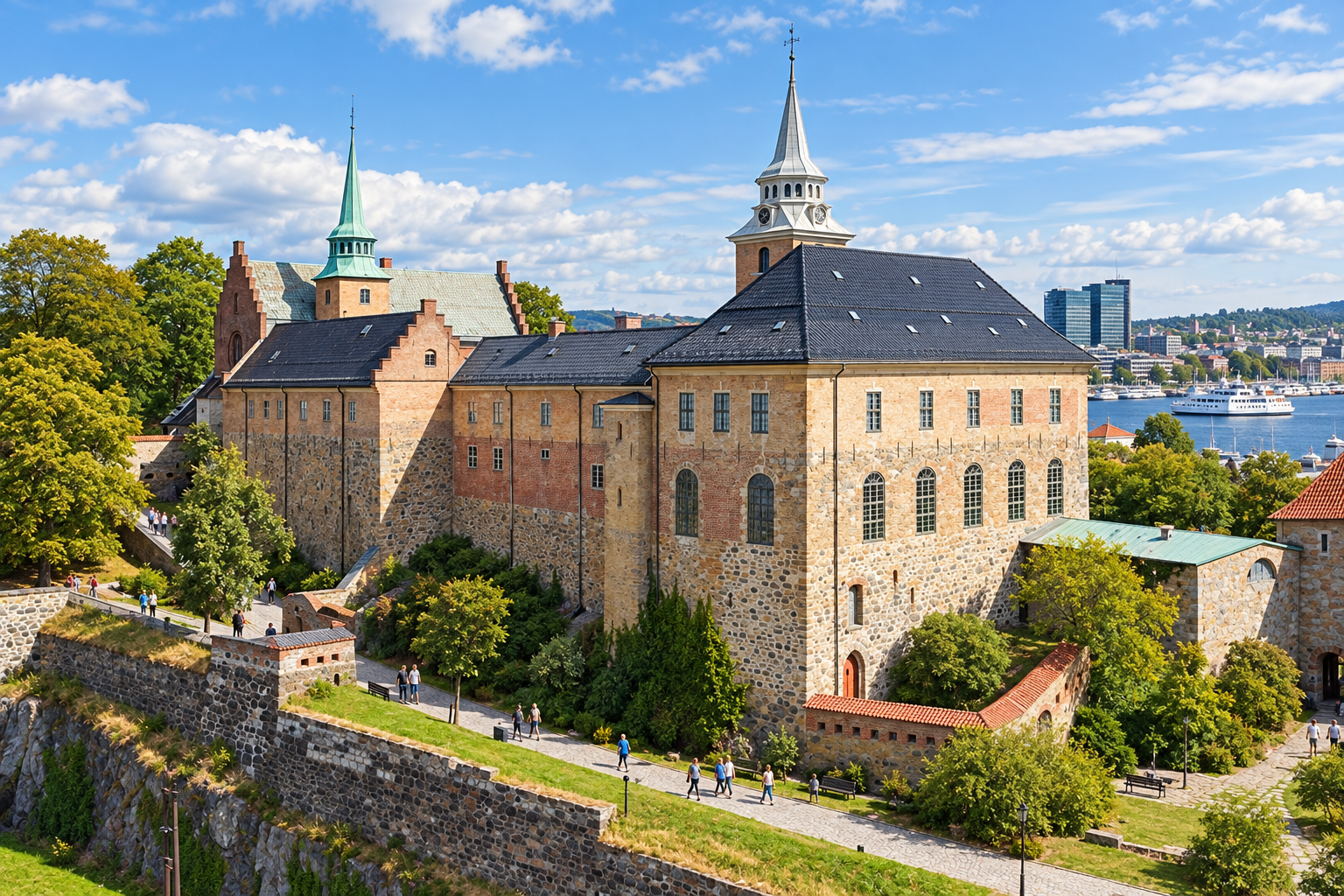
The fortress grounds are free to enter, according to the site’s official operator, Forsvarsbygg. Access to individual buildings, museums, and tours follows separate arrangements, so do not assume that everything inside the walls is included.
For a short visit, concentrate on the grounds and views rather than building your day around access to the castle interior.
Akershus works particularly well between the Opera House area and Aker Brygge. Allow about an hour, with more time if you choose an open museum or guided activity.
Best pairing: A waterfront walk towards City Hall and Aker Brygge.
4. Choose the National Museum for a Broader Art Visit
The National Museum is a strong alternative to MUNCH if you prefer a wider mix of art, architecture, and design.
Rather than focusing on one artist, it offers an introduction to different periods and creative disciplines. That makes it especially useful for visitors interested in how Norwegian art sits alongside international work.
Check the official National Museum visitor page for opening hours, exhibitions, and current admission arrangements.
For a short stay, choosing between the National Museum and MUNCH is often more satisfying than rushing through both:
- Choose MUNCH for a deeper encounter with Edvard Munch.
- Choose the National Museum for a broader art and design experience.
- Visit both if museums are a central part of your trip and you have enough time.
Best pairing: Aker Brygge and Tjuvholmen.
5. Follow the Waterfront Through Aker Brygge and Tjuvholmen
Aker Brygge is a good place to leave some time unplanned. Walk along the water, watch the ferries, and continue towards Tjuvholmen for another perspective on Oslo’s modern waterfront.
This is a useful afternoon or early evening activity after a museum visit. You can keep it short or spend longer stopping for food and photographs.
Waterfront restaurants are convenient, but compare menus before sitting down if you are watching your budget. There is no need to make an expensive meal part of the experience: the walk itself is the main attraction.
For a compact central route, connect Bjørvika, Akershus, Aker Brygge, and Tjuvholmen. You will see several different sides of the city without a complicated transport plan.
Best pairing: The National Museum or Akershus Fortress.
6. Spend Time in Vigeland Sculpture Park
Vigeland Sculpture Park is one of the most memorable things to see in Oslo, particularly if you want an outdoor activity that does not depend on a paid ticket.
The sculptures give the park a distinctive character, but you do not need specialist knowledge to enjoy them. Take your time moving between the individual figures and larger compositions rather than walking directly to the best-known centrepieces.
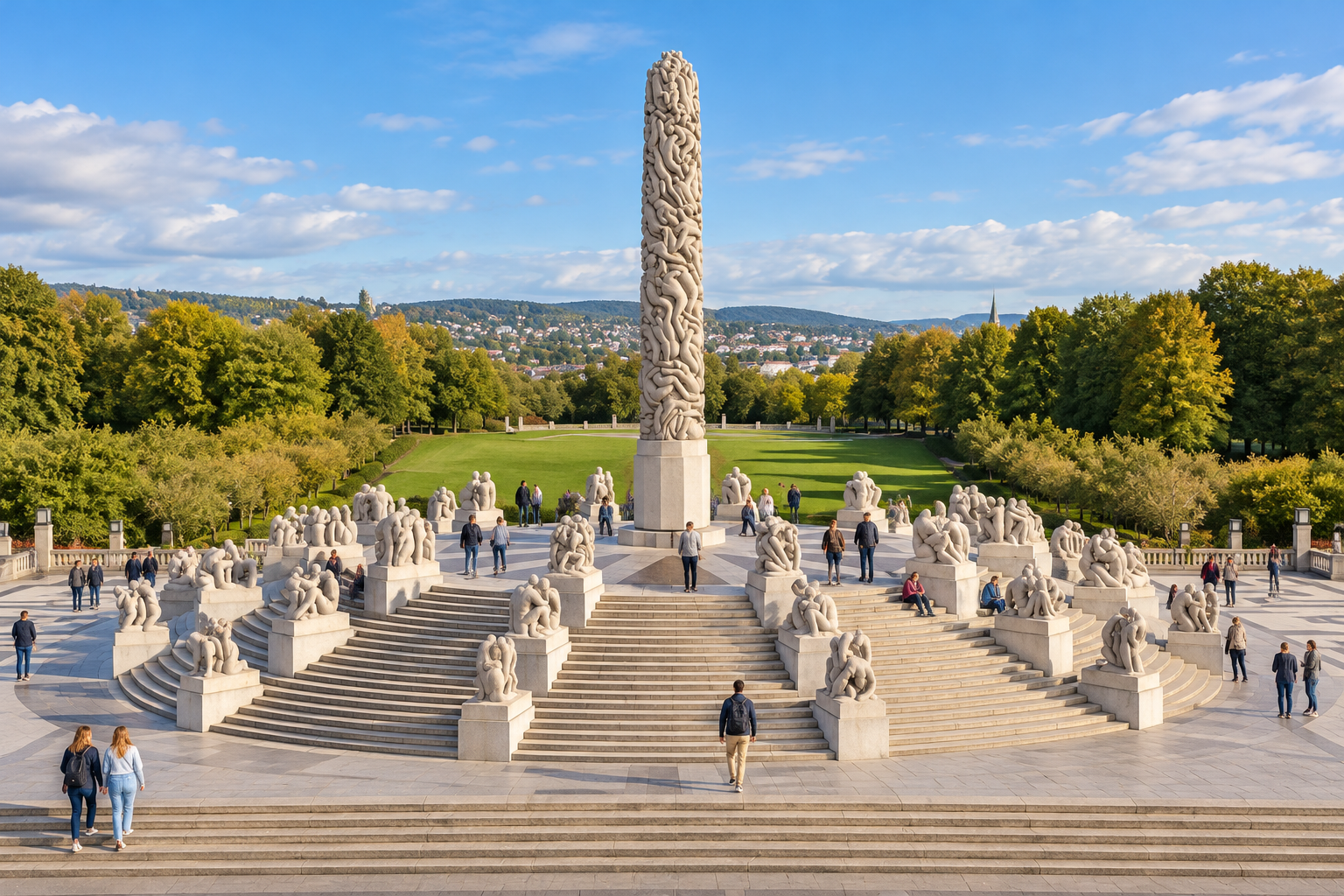
The park is free and open throughout the year. The nearby Vigeland Museum is a separate, ticketed attraction; check the official Vigeland website if you want to combine the two.
Allow one to two hours for a relaxed walk. The park is also an easy place to give yourself a break from indoor sightseeing.
Best pairing: A quiet afternoon around Frogner.
7. Pick One or Two Museums on Bygdøy
Bygdøy deserves a half-day slot rather than a rushed addition to an already full schedule. The peninsula brings together several museums, and choosing the right ones matters more than collecting admission tickets.
Fram Museum: Polar Exploration
The Fram Museum centres on the polar ship Fram and the history of exploration in the Arctic and Antarctic.
Choose it if expedition stories, ships, and the practical challenges of travelling through polar environments appeal to you. It is a useful contrast to Oslo’s art museums.
Norsk Folkemuseum: Buildings and Everyday Life
Norsk Folkemuseum offers a different perspective through historic buildings and cultural history.
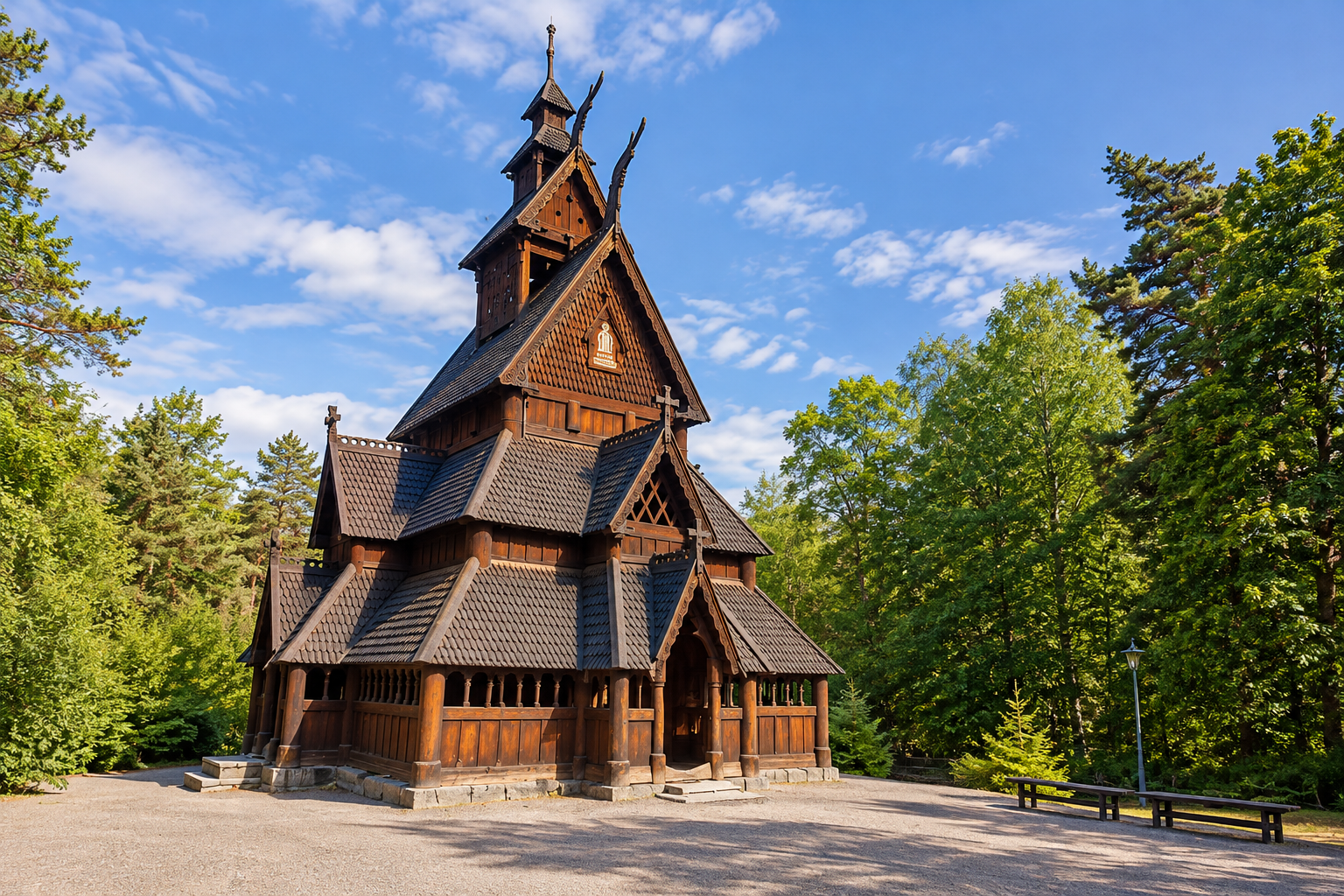
One of its highlights is the Gol Stave Church, relocated to Bygdøy in the nineteenth century. This museum is a good choice if traditional architecture and everyday life interest you more than polar exploration.
Do Not Plan Around the Old Viking Ship Museum
Older guides still recommend the Viking Ship Museum as though it were open. It is closed during the development of the new Museum of the Viking Age, with reopening currently expected in 2027. Check the official VisitOSLO listing before planning a future visit.
For broader historical context, see our guide to Viking history in Norway.
Getting to Bygdøy
Bus 30 is a practical public transport option. A museum ferry also connects the waterfront with Bygdøy; check its timetable for your travel dates.
The ticket distinction matters: ordinary Ruter tickets are not valid on the Bygdøy museum ferry, although the ferry is included with the Oslo Pass. See the official Bygdøy ferry information.
Best approach: Choose one museum for a slower half-day, or two if you enjoy a fuller schedule.
8. Walk Through Grünerløkka and Along Akerselva
Grünerløkka is a good place to experience Oslo beyond its headline landmarks. Its cafés, independent shops, and parks reward a less structured visit.
Combine the neighbourhood with a stretch of the Akerselva river. The walk brings together green spaces, bridges, and traces of the area’s industrial past. VisitOSLO’s Grünerløkka guide highlights the river route and the surrounding food and shopping streets.

You do not need to follow the entire river. Choose a manageable section, stop for coffee, and leave room for whatever catches your attention.
Mathallen, in the nearby Vulkan area, is another option for a food stop. Check individual vendors and opening hours before relying on it for a particular meal.
For ideas about what to look for on menus, read our Norwegian food guide.
Best pairing: An afternoon river walk followed by dinner nearby.
9. Take a Ferry to Hovedøya
If the weather is good and you have time beyond the central sights, Hovedøya offers an accessible island escape.
The island has wooded paths, beaches, and monastery ruins. It is suitable for a relaxed walk or picnic, with swimming an option when conditions suit.
Ferries from Aker Brygge operate throughout the year, but departures vary, so check your outward and return journeys. The official Hovedøya visitor information also explains the island’s protected areas and restrictions.
A simple visit to one island is often more enjoyable than trying to fit several into a short afternoon.
The Oslofjord provides a coastal experience, but it differs from the steep mountain scenery associated with western Norway. If that landscape is your priority, use our Norway fjords guide to plan another part of your trip.
Best pairing: A morning or afternoon around Aker Brygge.
10. Head to Holmenkollen for Skiing History and Views
Holmenkollen shows how closely Oslo connects with the surrounding hills and forests.
The ski jump is the main landmark, while the Ski Museum provides context for Norway’s skiing traditions. A visit is especially appealing if winter sports interest you or you want a change from central museums.
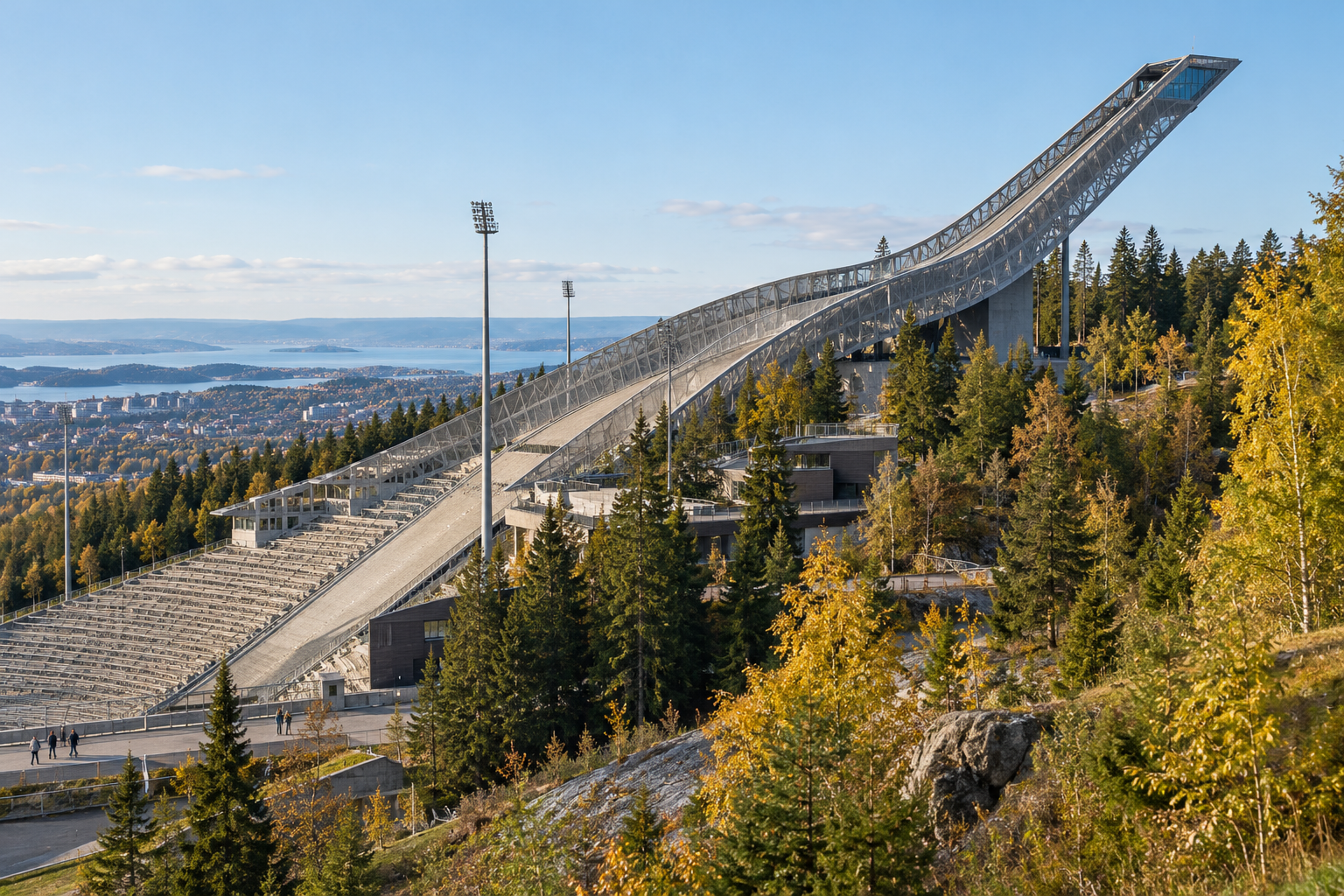
Metro line 1 takes you to Holmenkollen station. There is then an uphill walk to the museum and ski jump, so account for that if mobility or weather conditions affect your plans. See the official Holmenkollen visitor information.
Allow half a day including transport. Clear weather makes this a better choice for views; on a very wet or low-cloud day, a central museum may be more rewarding.
Best pairing: A longer stay with room for an outing beyond the centre.
A Flexible Oslo Itinerary for 1–3 Days
The following routes group nearby sights and leave room for meals and travel. Treat them as a framework: swap outdoor activities for museums when the weather changes.
One Day in Oslo: Waterfront, History, and One Museum
If you have just one day in Oslo, concentrate on the centre.
Morning: Begin at the Opera House and explore Bjørvika. If Munch is a priority, visit MUNCH afterwards.
Lunch: Eat near Bjørvika or along your route towards the western waterfront.
Afternoon: Walk to Akershus Fortress, explore the grounds, and continue towards Aker Brygge and Tjuvholmen.
If you prefer the National Museum, keep the morning in Bjørvika short and visit the museum in the afternoon instead of MUNCH.
Evening: Stay near the waterfront for dinner, or head towards Grünerløkka if you still have energy.
This route assumes a full sightseeing day. If arrival and departure take up several hours, reduce it to the waterfront, Akershus, and one additional stop.
Two Days in Oslo: Add Bygdøy and Vigeland
Follow the central route on day one.
Day two morning: Travel to Bygdøy and visit your chosen museum. Add a second only if you are comfortable with a busier morning.
Afternoon: Return to the city and visit Vigeland Sculpture Park.
Evening: Explore Grünerløkka, with a short Akerselva walk if daylight and conditions allow.
This is a fuller second day. For a slower trip, choose either Bygdøy or Vigeland and spend more time in the neighbourhoods.
Three Days in Oslo: Choose Your Extra Experience
Use the third day to follow your interests rather than adding every remaining attraction.
- For outdoor time: Take a ferry to Hovedøya.
- For skiing history and views: Visit Holmenkollen.
- For art: Visit whichever major museum you skipped.
- For a relaxed city day: Spend longer along Akerselva and in Grünerløkka.
An Oslo itinerary works best with some flexibility. Keep an outdoor option and an indoor alternative available.
Getting Around Oslo
Walking and Public Transport
The central waterfront is well suited to walking, while public transport makes destinations such as Bygdøy, Vigeland, and Holmenkollen easier to reach.
Use Ruter’s journey planner to check routes, tickets, and departure information. Make sure the ticket covers the zones you need and is valid before travelling.
Do not assume that every boat leaving the harbour uses the same ticket system. Public island ferries, sightseeing cruises, and the Bygdøy museum ferry have different arrangements.
From Oslo Airport to the Centre
Check which airport your flight uses. Oslo Airport Gardermoen and Torp are different arrival points with different transfer times.
From Gardermoen, Vy trains connect with Oslo Central Station. Vy gives an estimated journey time of about 23 minutes, although you should check the current timetable and any service changes. Its airport transport guide covers both Gardermoen and Torp.
Compare the available services and their tickets before boarding, particularly if you have bought a travel pass.
Is the Oslo Pass Worth It?
The Oslo Pass combines entry to participating museums and attractions with public transport.
It is most useful when your plans include several paid visits within a limited period. It is less compelling for a trip focused mainly on free parks and waterfront walks.
Before buying:
- Choose the museums you actually want to visit.
- Add their individual admission costs.
- Include the transport you expect to use.
- Compare that total with the pass covering the same period.
Check age-based discounts as well. A family’s calculation may differ considerably from an adult travelling alone.
The pass runs for consecutive hours after activation. Under the current rules, an active pass also includes travel to and from Gardermoen on the specified Vy train services. Read the official Oslo Pass FAQ for current coverage and conditions.
Do not fill your day with extra museums simply to make the pass appear worthwhile. Buy it when it supports the itinerary you want.
Where to Stay for a Short Oslo Visit
For a first visit, prioritise convenient transport and proximity to your planned activities.
Near Oslo Central Station or Bjørvika: A practical choice for arrival, departure, and the eastern waterfront.
Near Nationaltheatret or the western centre: Useful for the National Museum, Aker Brygge, and central transport connections.
Grünerløkka: Worth considering if cafés, restaurants, and neighbourhood evenings matter more to you than staying beside the main waterfront sights.
Compare the total cost, including breakfast and transport. A slightly more expensive central room can make a short stay easier, but location is only useful when it suits your route.
Free Things to Do in Oslo
Several memorable parts of Oslo require no attraction ticket:
- Walk around Bjørvika and the waterfront.
- Visit the Opera House’s accessible public exterior areas.
- Explore Akershus Fortress grounds.
- Spend time in Vigeland Sculpture Park.
- Walk through Grünerløkka and along Akerselva.
- Stroll around Aker Brygge and Tjuvholmen.
You can build a satisfying day around these places and add one paid museum that particularly interests you.
When to Visit Oslo
For a first visit combining sightseeing and outdoor time, late spring through early autumn is a practical choice. Longer daylight makes it easier to include parks, waterfront walks, and island visits.
Autumn suits a mix of museums, cafés, and shorter walks, with flexibility for wet weather.
Winter offers a different experience. Plan around museums and indoor breaks, then add outdoor activities according to conditions. VisitOSLO’s winter guide outlines options around the city.
Bring footwear appropriate for the season. Waterfront paths, hills, and park routes can feel very different in rain, snow, or ice.