What Is Scandinavian Design, and Where Does Norway Fit?
Scandinavian design is a broad design tradition associated with useful objects, clear forms and attention to everyday living. It is not a rule that every room must be white or every object must be made from wood.
The term became internationally prominent in the mid-twentieth century. Visit Norway’s design overview places Norwegian designers within that shared story while also showing the range of contemporary work.
In geographical usage, Scandinavia usually means Norway, Sweden and Denmark. The wider Nordic region also includes Finland and Iceland, among others. In shops and interiors writing the labels can be used more loosely, so check the actual designer and manufacturer rather than taking a style label as a country of origin.
Norwegian design includes furniture, textiles, glass, lighting, industrial products and architecture. A colourful knitted jacket and a restrained wooden chair can belong to the same design landscape without looking alike.
Three Things to Notice When You Look at an Object
- How it works: does the handle feel comfortable, does the chair support you, and is the object easy to use?
- How it is made: look at joints, edges, stitching, surfaces and the way different materials meet.
- How it will age: consider cleaning, repair, replacement parts and whether the material will tolerate everyday use.
These questions make a visit more rewarding than trying to identify a single national aesthetic. They also help when you move from looking to buying.
1. The National Museum, Oslo: Begin with Design History
The National Museum is a useful starting point for seeing design as more than an interiors trend. Its collections cover art, architecture and design, allowing you to place familiar household objects within a much wider cultural history.
Plan a selective route through the design displays. Read the labels for the designer, date, manufacturer and material: those details explain more than simply deciding whether an object looks Scandinavian.
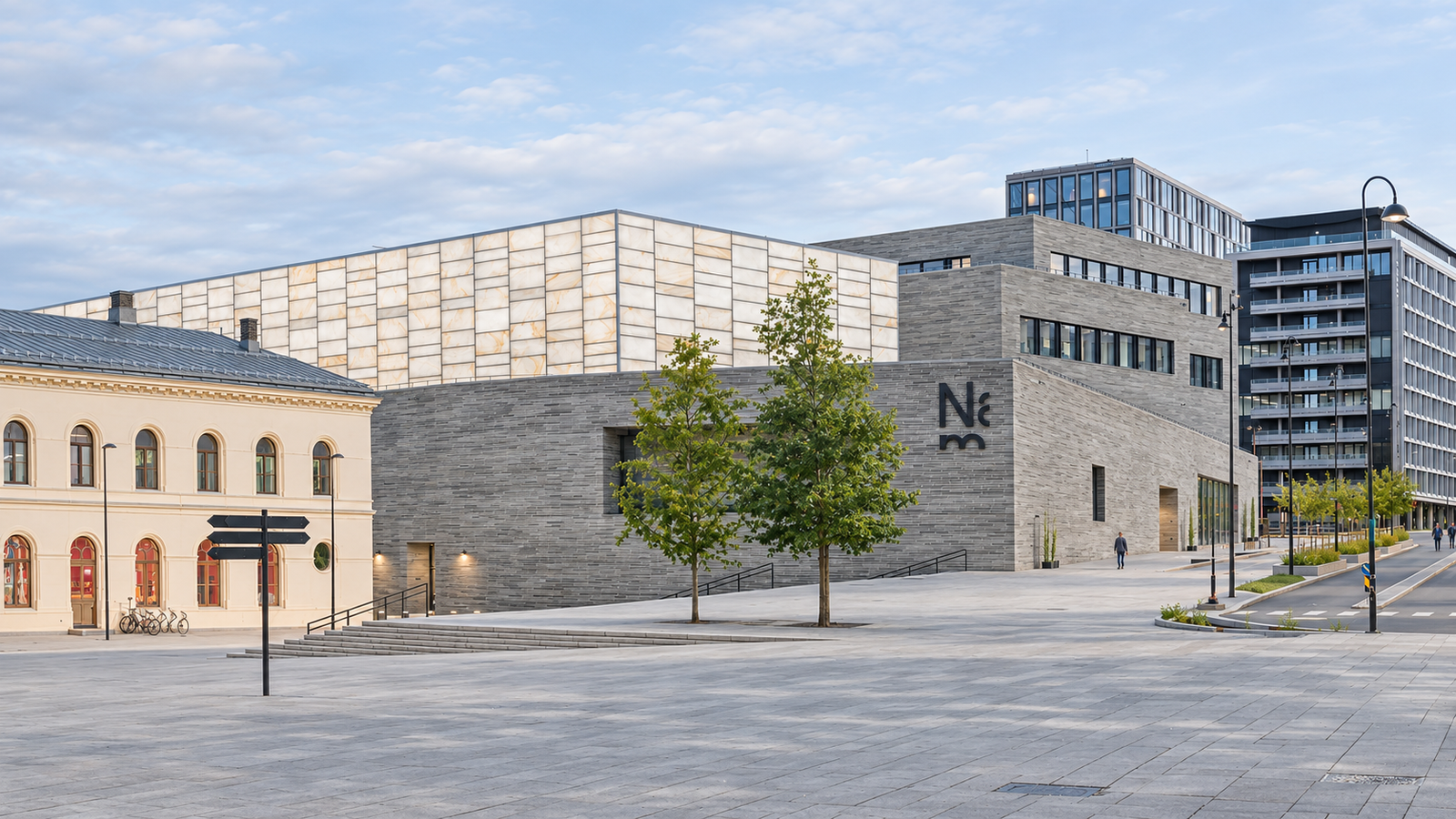
The museum’s online collection is useful for exploring objects before you arrive. A collection record does not guarantee that an item is on view, so check the display information if one particular piece matters to you.
Planning allowance: around two to three hours for a focused visit. Add time if you also want substantial painting galleries; a design visit does not require completing the entire museum.
For a wider art itinerary, our art and literature guide compares Oslo’s major cultural visits. Here, keep the emphasis on objects, materials and making.
2. Norway Designs, Oslo: Compare Craft and Contemporary Products
Norway Designs at Lille Grensen 7 is a practical shop stop in central Oslo. Its range includes craft, interiors, textiles, glass and other objects, making it useful when you want to see design at the scale of something you could take home.
The shop carries Norwegian and other Nordic makers. Do not assume that everything sold in a Norwegian design shop was designed or produced in Norway. Ask about a specific object’s designer and place of manufacture.
Use the shop’s current visitor details for the address and opening arrangements, and browse its product categories if you want to identify a maker before visiting.
Planning allowance: around thirty to sixty minutes, longer if you are comparing a purchase. There is no need to buy something to make the visit worthwhile.
Choose one category to examine closely. Compare the rim and handle of two cups, the feel of different fabrics or the weight of a glass jug. Ask before handling delicate or one-off work.
Norwegian Furniture: Two Names Worth Recognising
A little preparation makes a showroom or museum visit easier to read. Hans Brattrud’s Scandia chairs and Fredrik A. Kayser’s Modell 711 offer two useful starting points for Norwegian furniture.
Brattrud designed the Scandia Junior in 1957 as a student project. Its shaped wooden slats create a curved seat and back rather than a solid upholstered shell. Fjordfiesta’s account of the design explains its origins.
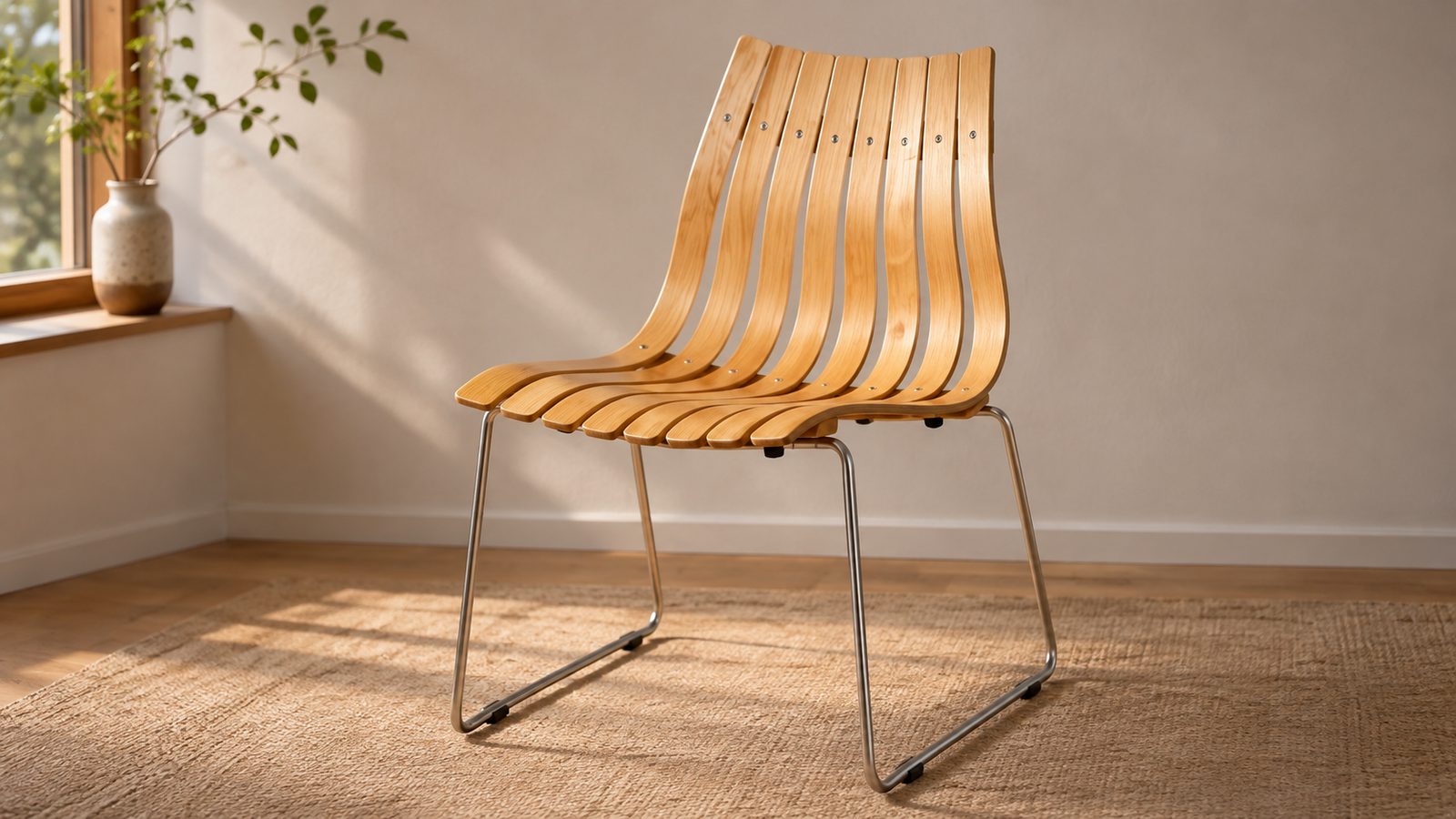
Kayser’s Modell 711, presented by LK Hjelle, introduces a different relationship between the wooden frame and upholstered seating. Looking at contrasting pieces is more instructive than treating every mid-century chair as an example of the same idea.
Do not build a journey around seeing a particular chair without confirming it is displayed. Manufacturers, dealers and museums have different roles, and a brand’s website does not mean its production site welcomes visitors.
If you are considering a purchase, sit in the actual model where permitted. Seat height, support, dimensions and the version of the product matter more than an attractive photograph.
3. Oslo’s Opera House: Design as a Public Place
Norwegian architecture becomes particularly interesting when a building changes how people use a city. Oslo’s Opera House, designed by Snøhetta, is a clear example: its sloping exterior creates a public roofscape beside the fjord.
The Opera House’s architectural introduction explains the relationship between the roof, public space and the building’s principal materials: stone, wood and metal.
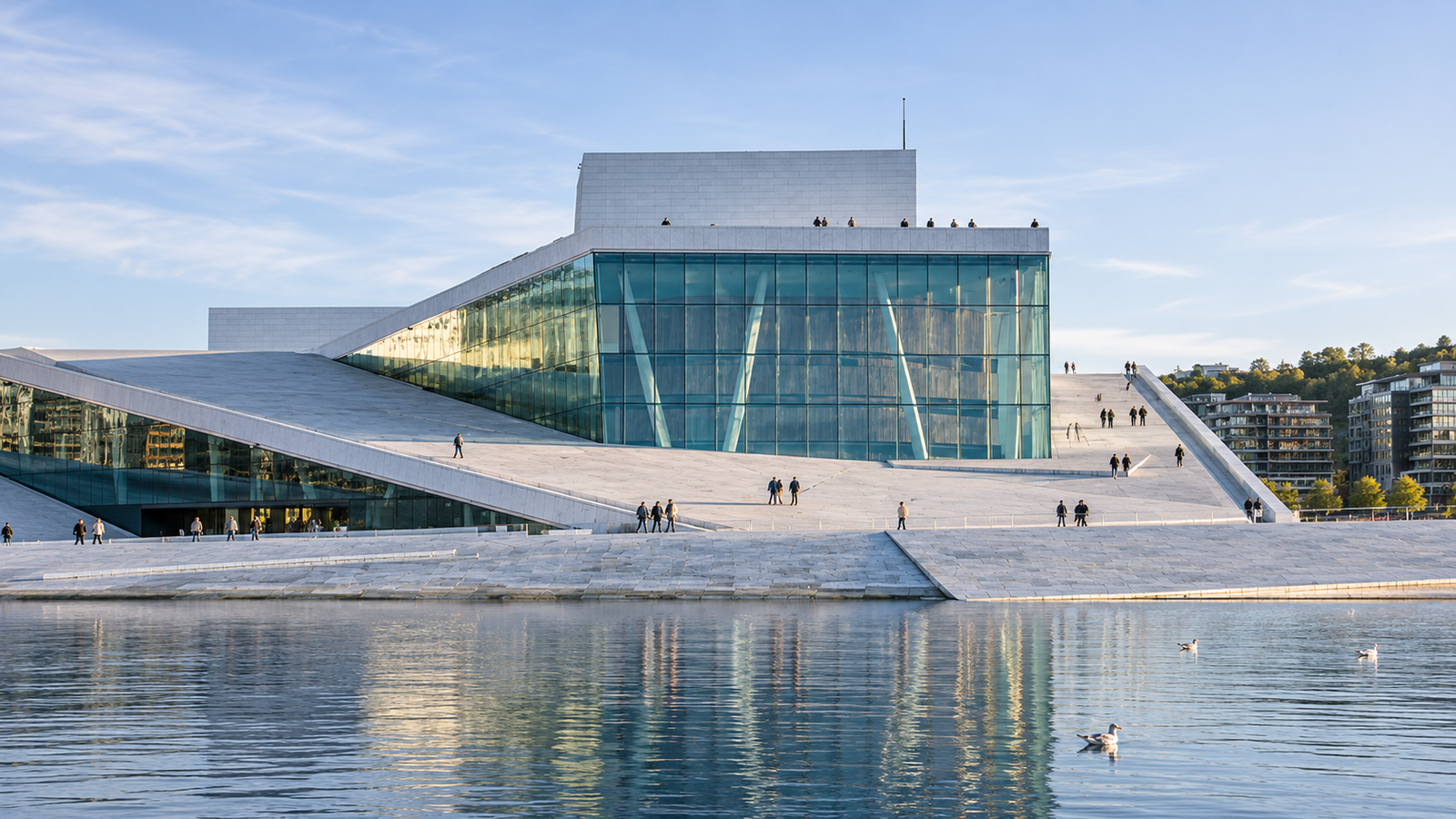
Walk around the exterior and notice how the change in level alters your view of the waterfront. Inside the public foyer, when accessible, compare the light stone and glass with the warmer timber surfaces.
This is different from attending a performance or joining a backstage tour, which have their own tickets and arrangements. Check access information and follow any restrictions on the roof, especially in slippery conditions.
Planning allowance: roughly thirty to sixty minutes for an architectural look, with additional time for any booked tour. You can continue through Bjørvika rather than travelling to a second distant attraction.
Look at the Spaces Between the Buildings
A useful design walk also includes ordinary things: benches, handrails, lighting, signs and the transition between streets and the waterfront. Notice where it feels easy to sit, navigate or shelter from the weather.
You do not need to attribute every detail to a famous architect. Asking who a space serves is often more revealing than collecting photographs of façades.
4. Hadeland Glassverk, Jevnaker: See the Making Process
Hadeland Glassverk is a more substantial outing for travellers interested in glass and production. The visitor centre in Jevnaker combines shops, food and activities with opportunities to see glassmaking.
Plan around the workshop rather than the shopping hours alone. The glass hut, individual shops and visitor activities can have different schedules. Watching a demonstration and taking part yourself are separate experiences.
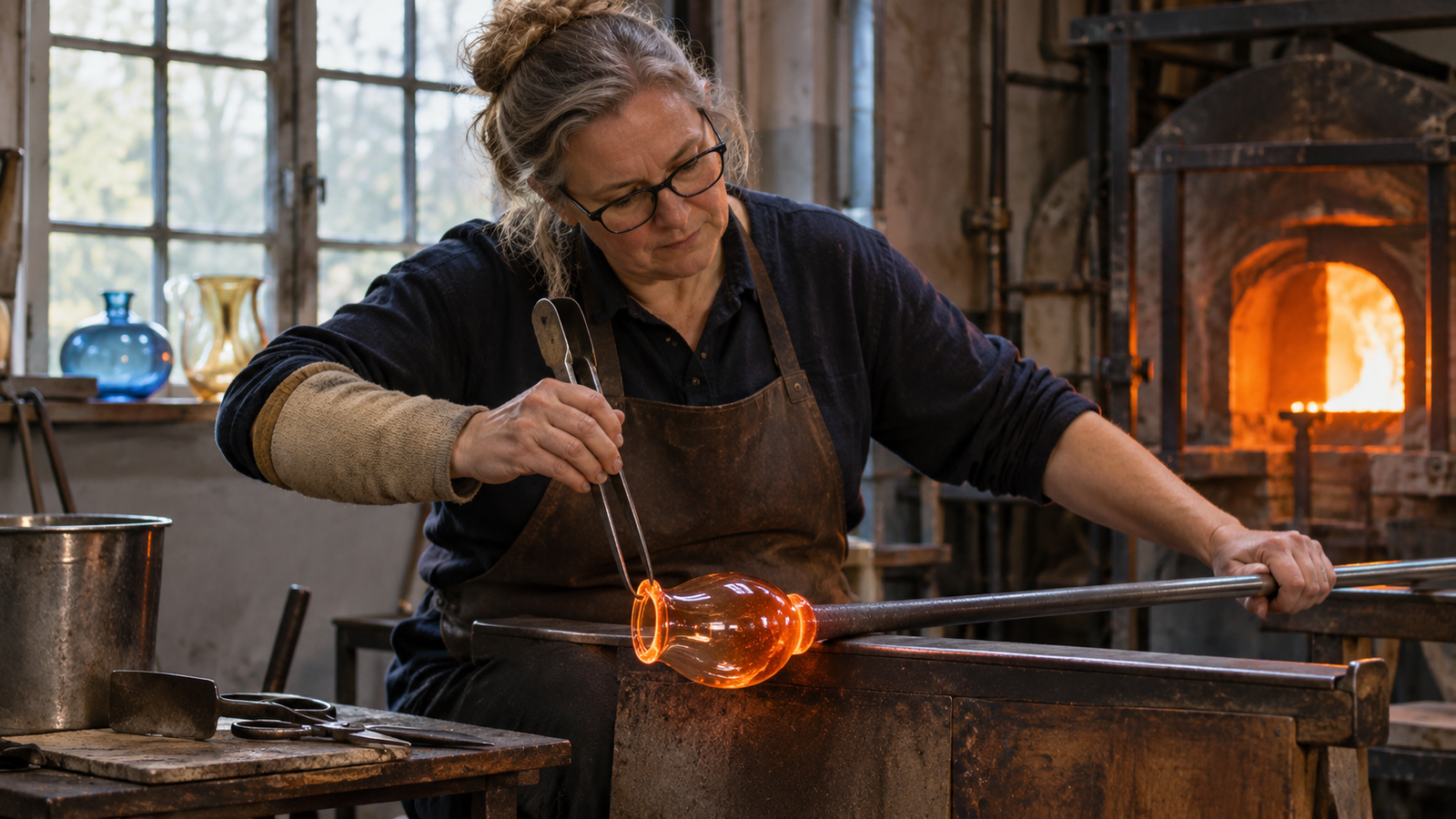
Check the current activity and opening information before setting out. The transport planning page is also useful, but seasonal visitor buses should not be assumed to run throughout the year.
Planning allowance: around two to three hours on site, plus the journey from Oslo. Give it a dedicated part of the day instead of adding it between several city museums.
Before buying glass, ask about protective packaging and whether the shape will travel safely in your luggage. If shipping is offered, compare the complete cost and arrangements rather than assuming it is included.
5. Oleana, near Bergen: Colour, Knitwear and a Working Factory
Oleana in Ytre Arna is a useful counterpoint to the idea that Scandinavian style is always quiet and neutral. Its knitwear brings colour, pattern and textile construction into the story.
The House of Oleana visitor page describes access to the knitting production floors and factory shop. They have different opening arrangements: a day when the shop is open may not be a day when production can be visited.
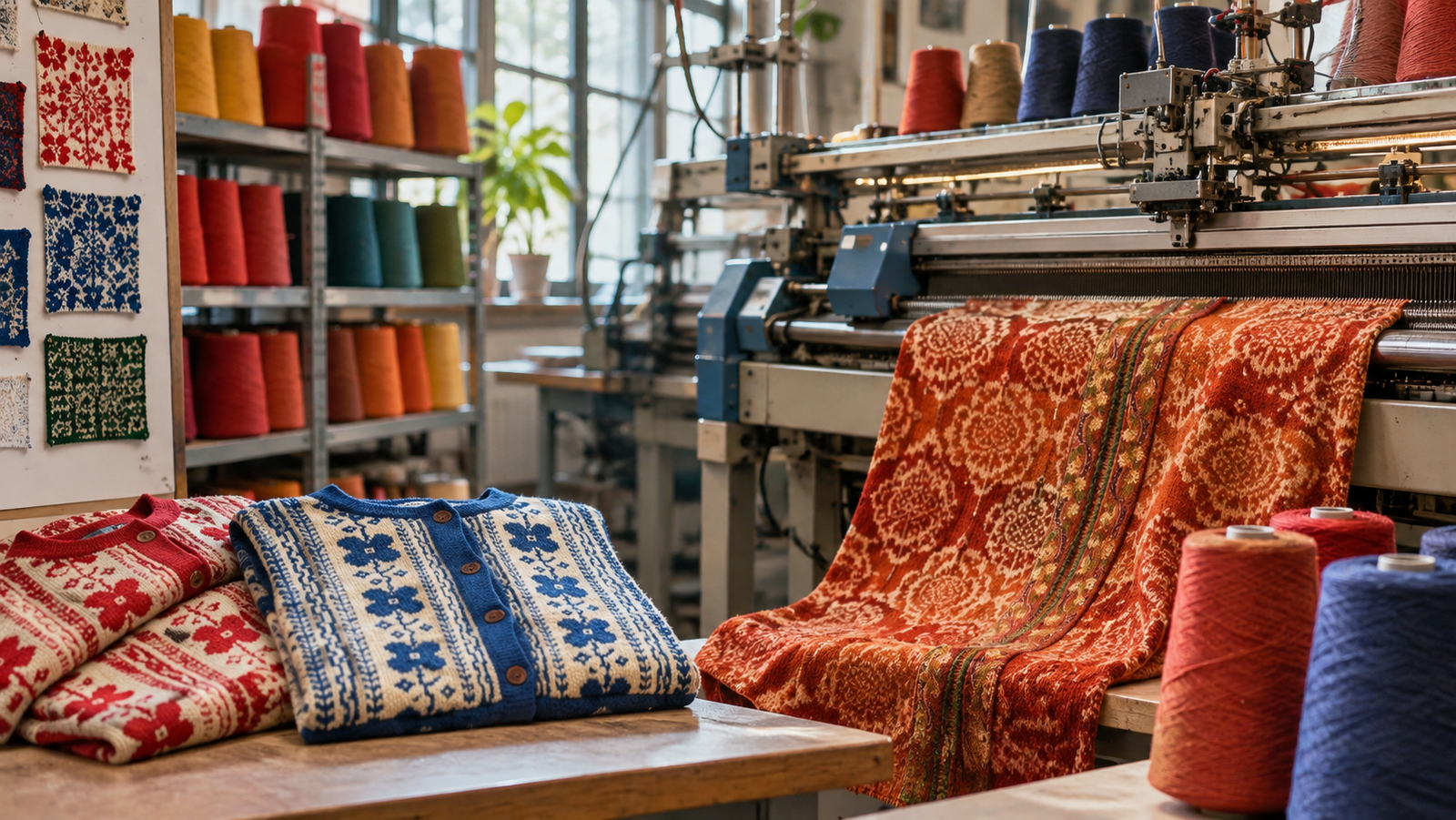
Check both before travelling from Bergen, and confirm any group arrangements directly. The official page also describes the journey using train and bus; use a current journey planner for the connections on your date.
Planning allowance: leave roughly half a day including travel if you want time to understand the making process and browse. This is an editorial allowance rather than an advertised tour duration.
Look at the reverse of a knitted fabric where permitted, the finishing at cuffs and edges, and how patterns continue across the garment. Ask about fibre composition and care instead of relying only on the first impression of colour.
For the rest of your city stay, our Bergen guide helps balance the outing with the historic centre and other activities.
6. Scenic Route Architecture: Add Design to a Fjord Journey
Some of the most memorable design encounters happen outside museums. Norway’s Scenic Routes include viewpoints and rest areas where architecture shapes the experience of stopping in a landscape.
Stegastein above Aurlandsfjord is a useful example if your itinerary already includes Aurland or Flåm. Its projecting platform creates a different encounter with the view from simply standing beside the road.
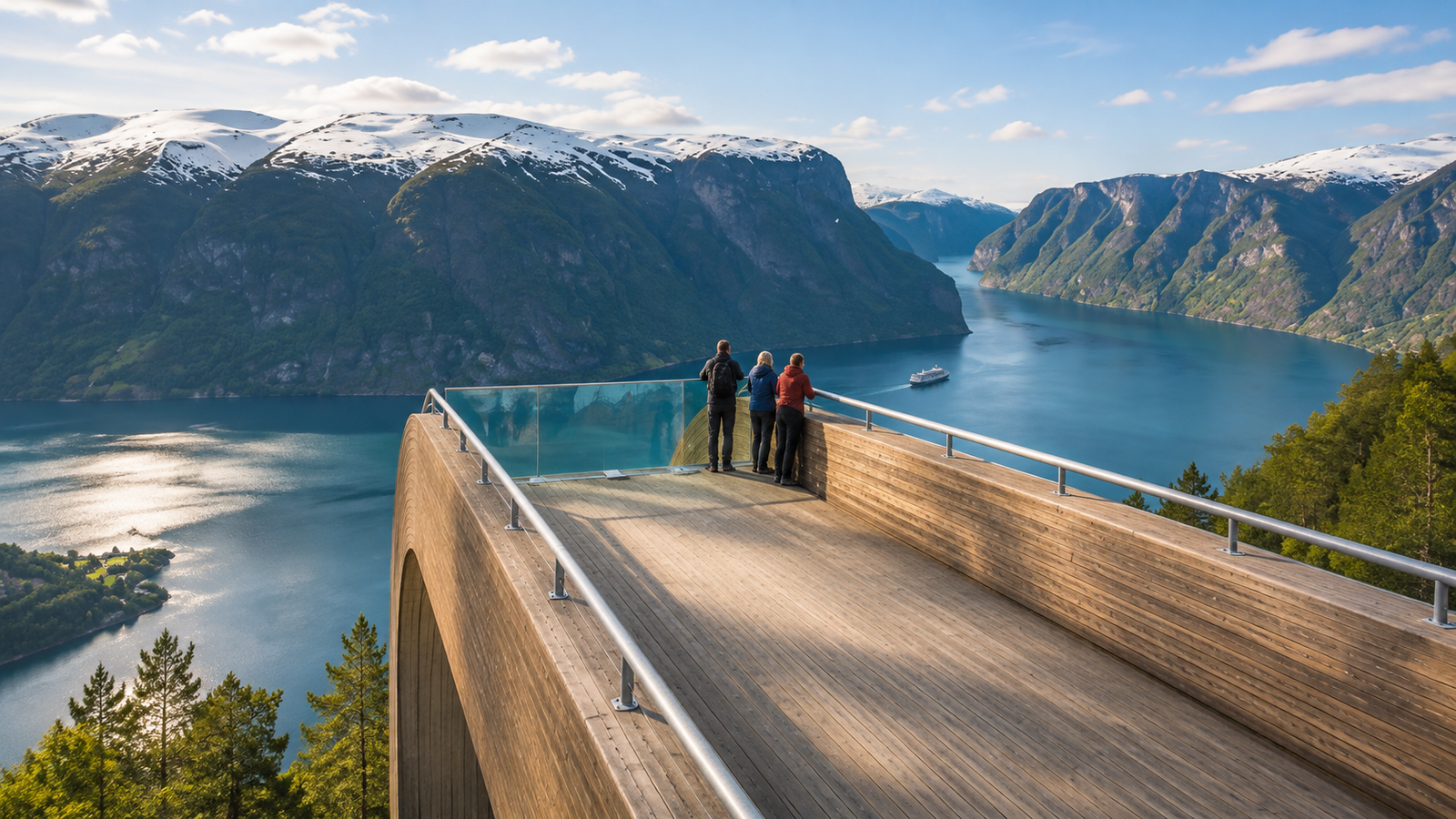
The official Stegastein page identifies the architects as Todd Saunders and Tommie Wilhelmsen. The Aurlandsfjellet route information distinguishes the approach to the viewpoint from the full mountain road, which closes in winter.
Check live road conditions and transport options, not only the general seasonal description. Leave room for traffic and follow current parking restrictions. A viewpoint is best added to a journey that already passes nearby, rather than becoming a rushed return trip from a distant city.
Buying Norwegian Design: What Is Worth Taking Home?
The best purchase is something you will use and can transport sensibly. Start with the object’s purpose, then ask who designed it, who made it and where it was produced.
“Designed in Norway”, “made in Norway” and “Scandinavian style” describe different things. A product can be genuinely Norwegian in design while being manufactured elsewhere. Neither a shop’s location nor a minimal appearance answers the question.