
These are planning estimates. Queues, transport, opening hours, and the amount of walking you choose can change the time required.
Explore central sights on foot, then use the other layers to locate mountain attractions, Troldhaugen and transport hubs. Zoom out to see locations beyond the city centre.
1. Explore Bryggen Beyond the Waterfront Facades
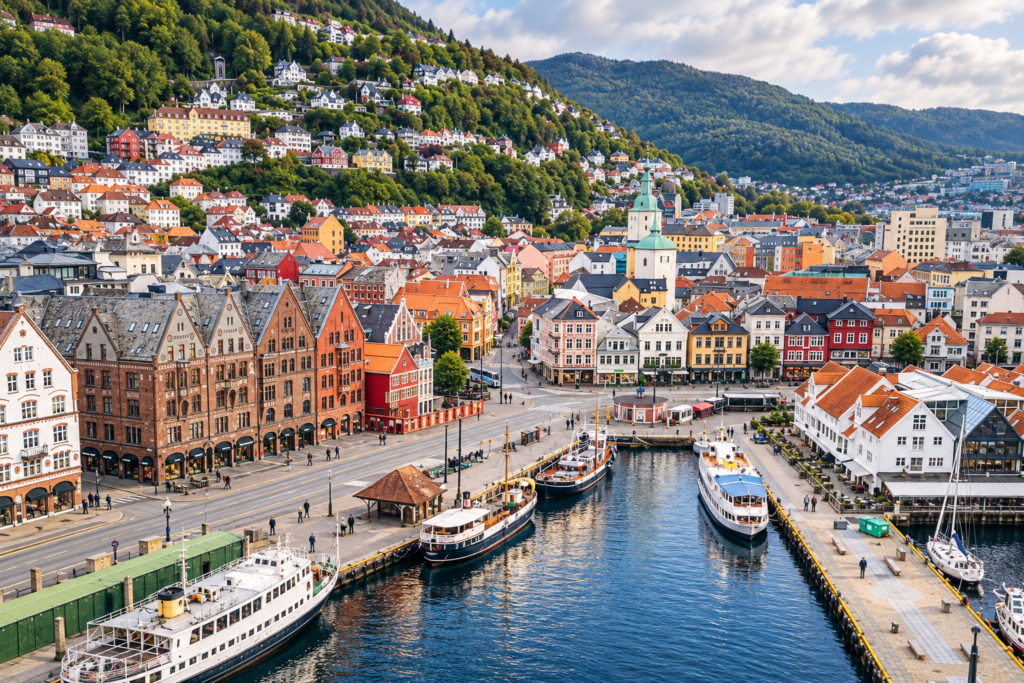
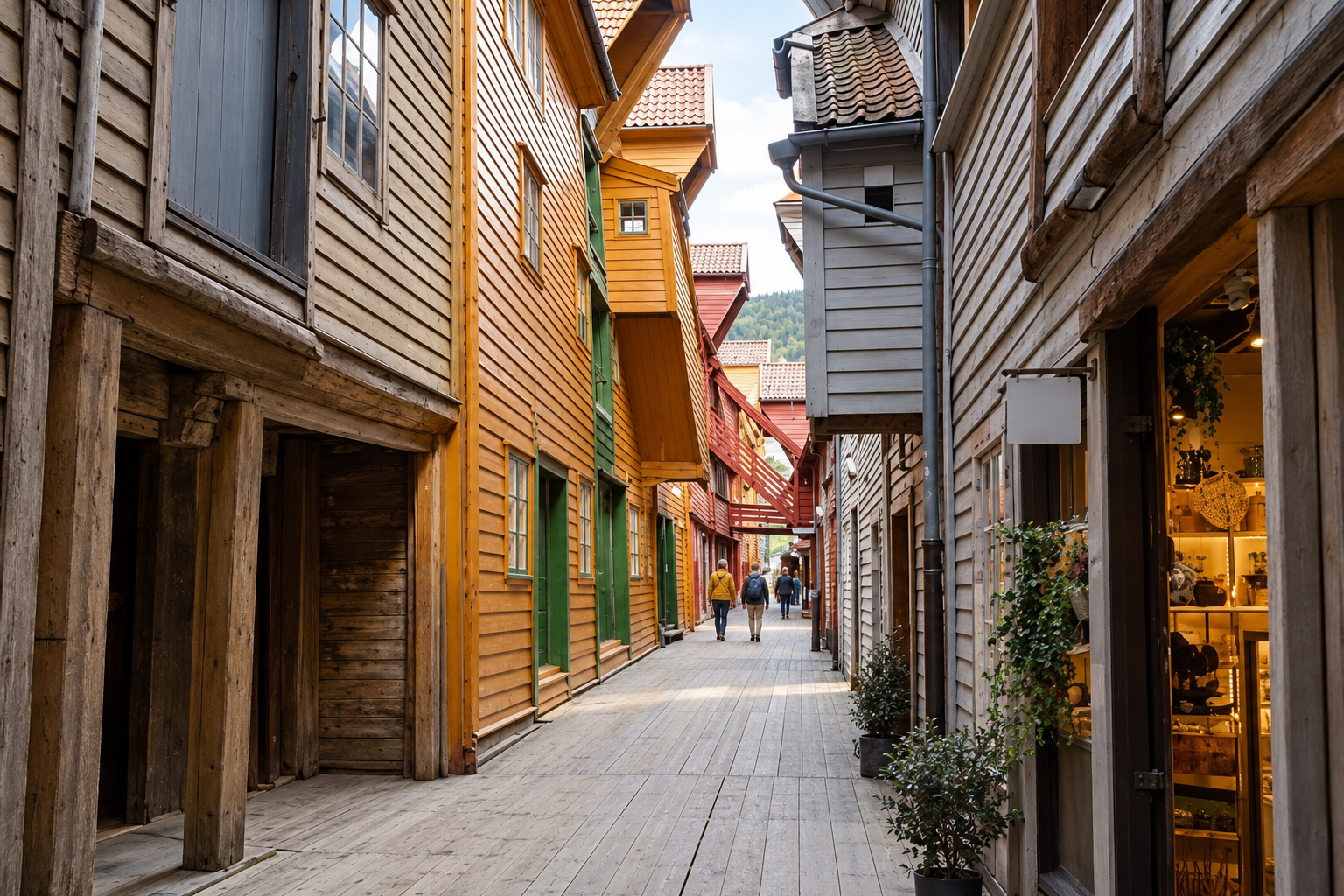
Bryggen is the natural starting point for a first visit. Its wooden waterfront buildings are closely associated with Bergen’s trading history, and the area is a UNESCO World Heritage Site. UNESCO’s Bryggen overview
The familiar row of facades is only part of the experience. Walk into the accessible passages behind the waterfront and take time to notice the timber structures, courtyards, and changes in scale.
This is a good place to slow down rather than take one photograph and move on.
You can explore the outdoor area independently or choose a guided visit for more historical context. Museum admissions and organised tours are separate from simply walking around the public parts of Bryggen.
Best pairing: Bergenhus and a harbour walk.
2. Take Fløibanen to Fløyen
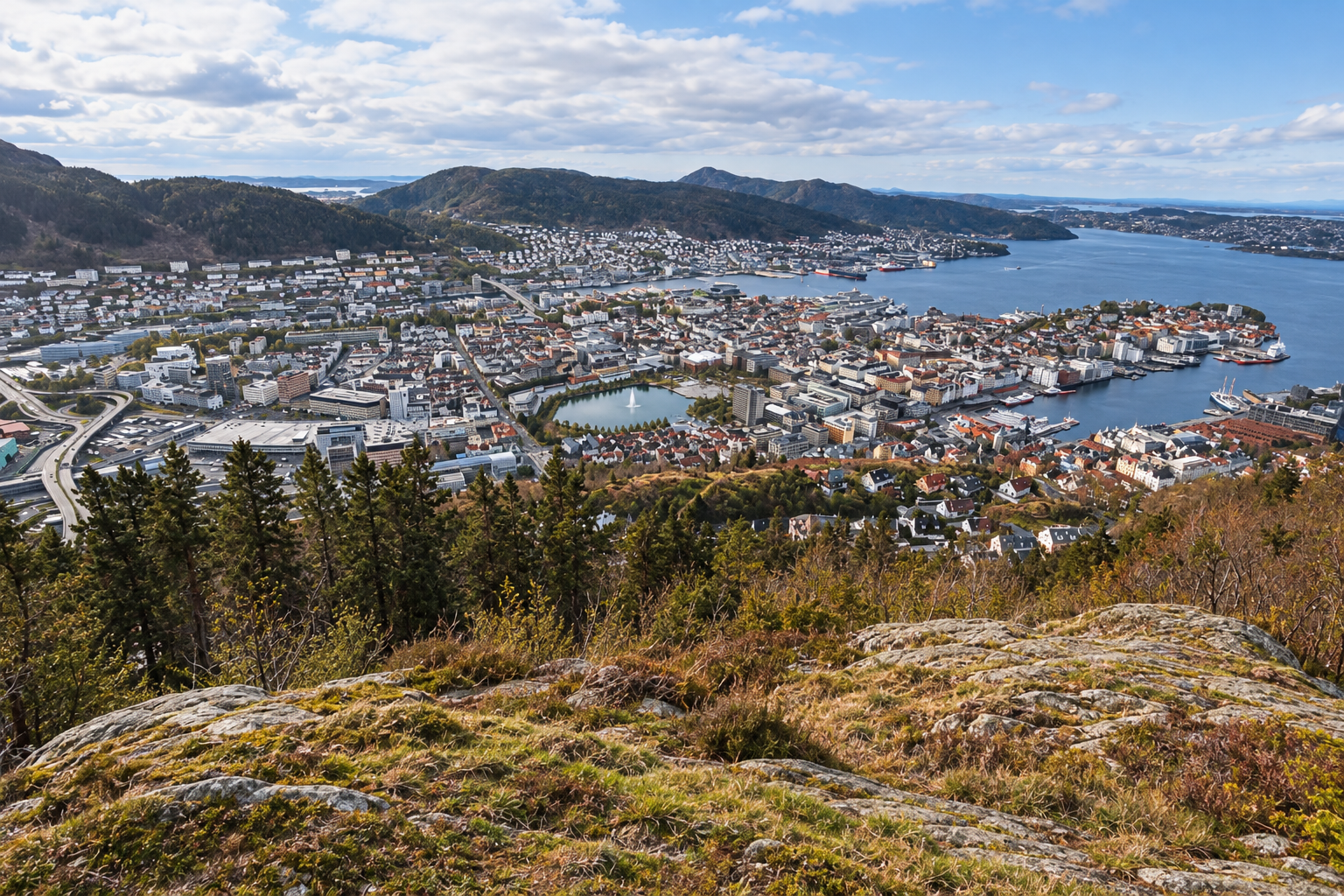
Fløyen is one of the most useful Bergen attractions for a short visit because it combines a city viewpoint with opportunities to spend longer outdoors.
The lower Fløibanen station is close to the historic centre. Take the funicular up, enjoy the view, and decide whether you want a short stroll or a longer walk.
You do not need to plan a mountain hike to make the visit worthwhile.
Choose the Visit That Suits Your Day
For a shorter outing, take the funicular in both directions and stay around the viewpoint.
For more walking, explore a suitable marked route or consider walking down if conditions and your mobility allow. Allow additional time for any walk rather than treating it as a quick substitute for the return journey.
Check visibility before going up. If the mountain is covered in cloud, moving the visit to another part of the day may improve your experience.
Consult Fløyen’s official website for current tickets, operating information, and walking options.
Best pairing: Bryggen and the central harbour.
3. Visit the Fish Market and Walk Around the Harbour
The Fish Market is an easy stop while moving between Bryggen and the western side of the harbour.
Browse before deciding whether to eat there. Compare menus, portion sizes, and prices instead of assuming that market food will automatically be an inexpensive meal.
The indoor market operates throughout the year, while the outdoor market is seasonal. What you see on a summer visit may therefore differ from a winter experience. Official Fish Market information
You can enjoy the harbour without buying anything. Use this part of the city as a connection between other sights, with time for photographs or a café stop.
For ideas about dishes and ingredients to look for, read our Norwegian food guide.
Best pairing: Bryggen, Nordnes, or a central lunch break.
4. Explore Bergenhus and Choose a Historic Interior
Continue beyond Bryggen towards Bergenhus for another part of Bergen’s history.
The area includes Håkon’s Hall and Rosenkrantz Tower. Choose an interior visit according to your interests and the opening arrangements on your date.
Håkon’s Hall is associated with Bergen’s medieval royal history, while Rosenkrantz Tower offers a different experience through its rooms and structure. Check access details if stairs or enclosed spaces affect your plans.
The official operator, Bymuseet, provides visitor information for its historic sites.
For a short stay, one paid interior may be enough. Combine it with the surrounding walk rather than assuming you need every available ticket.
Best pairing: Bryggen and the northern harbour.
5. Choose Kode for Art and Indoor Time
Kode is a good option if you enjoy art or want a substantial indoor activity.
Its city-centre museums are separate neighbouring venues, with different exhibitions. Check what is showing and which buildings are open before deciding how much time to allow. The organisation also manages composers’ homes outside the centre, so confirm that the address matches the visit you intend to make. Kode’s official visitor information
For a short trip, choose the collections or exhibitions that interest you most rather than trying to cover every venue.
Kode works well as a planned activity, not only an emergency response to rain. You can combine it with a walk around Lille Lungegårdsvannet and the surrounding centre.
Best pairing: A quieter afternoon after a morning around the harbour.
6. Walk Through Nordnes
Nordnes offers a change of pace from Bergen’s headline sights.
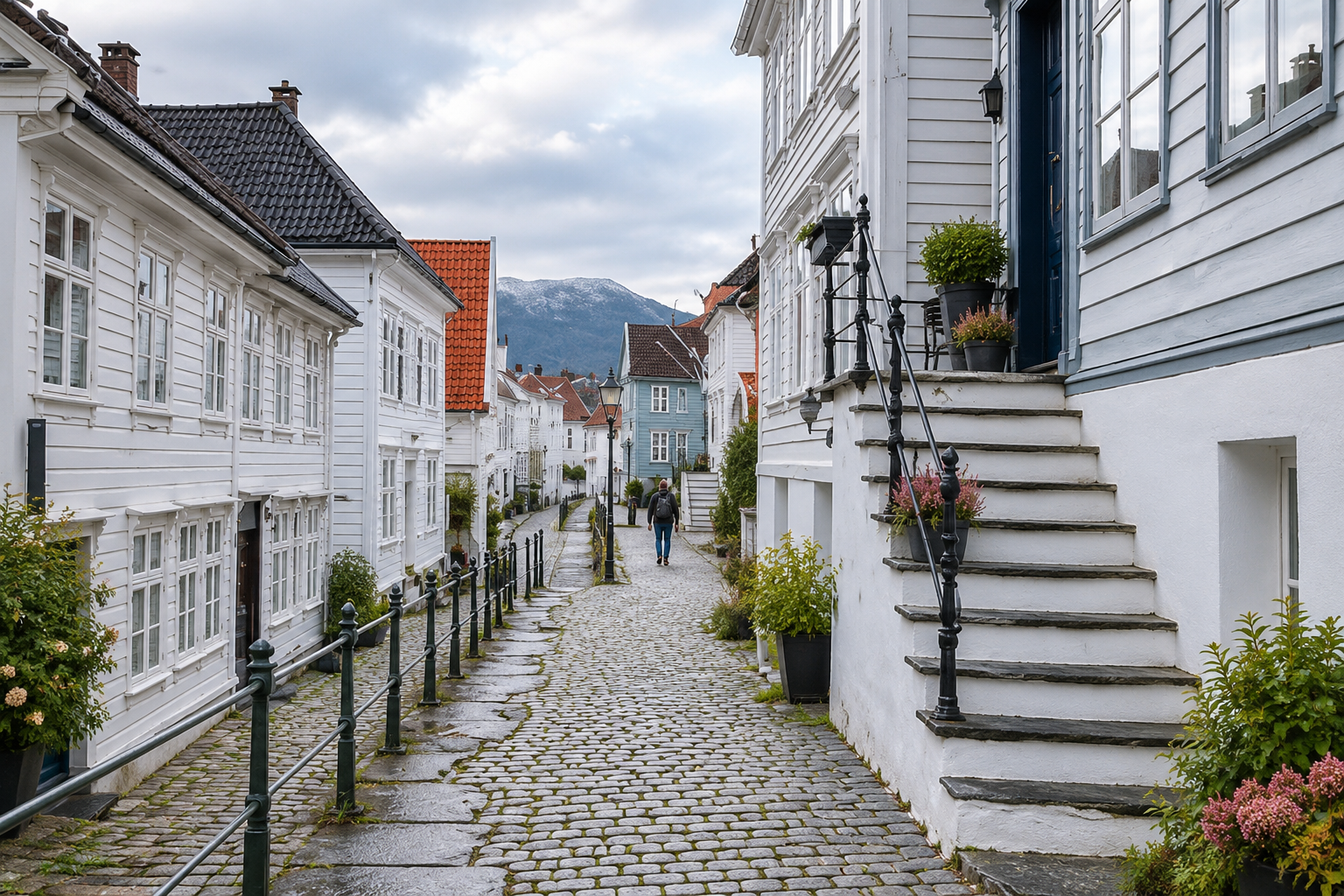
Explore its smaller streets, wooden houses, and waterfront spaces, allowing room for a stop wherever catches your attention. It suits travellers who enjoy the city between attractions.
The central neighbourhoods are best explored on foot, although hills and uneven paving can affect the walk. Visit Bergen’s neighbourhood guide provides an introduction to Nordnes and other areas.
You do not need to turn this into an extensive route. A manageable walk is a useful addition to a museum day or a relaxed second afternoon.
Best pairing: The harbour and a café stop.
7. Visit Ulriken if You Want a Bigger Mountain Outing
Ulriken is a different choice from Fløyen. Reaching the cable-car station requires more planning from the centre, and the higher terrain gives the visit a more mountainous character.
Choose it when elevated views and outdoor time are important parts of your trip.
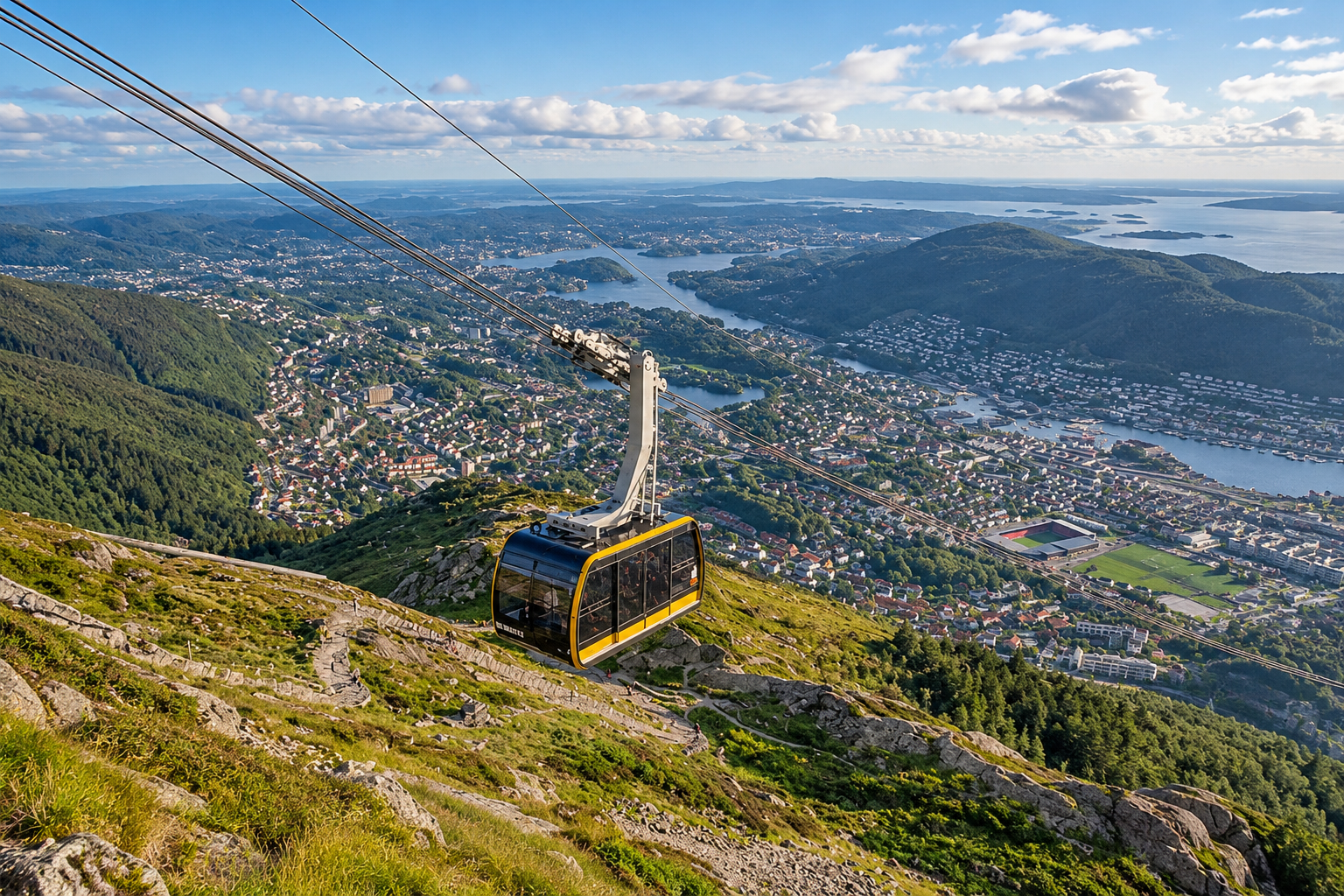
Fløyen or Ulriken?
You do not need both during a short stay.
Taking a cable car does not make every onward walking route easy. Check the route, conditions, and equipment required before leaving the immediate visitor area.
Weather can affect mountain visibility and operations. Use Ulriken’s official information when planning.
Best pairing: A flexible half-day rather than several fixed city bookings.
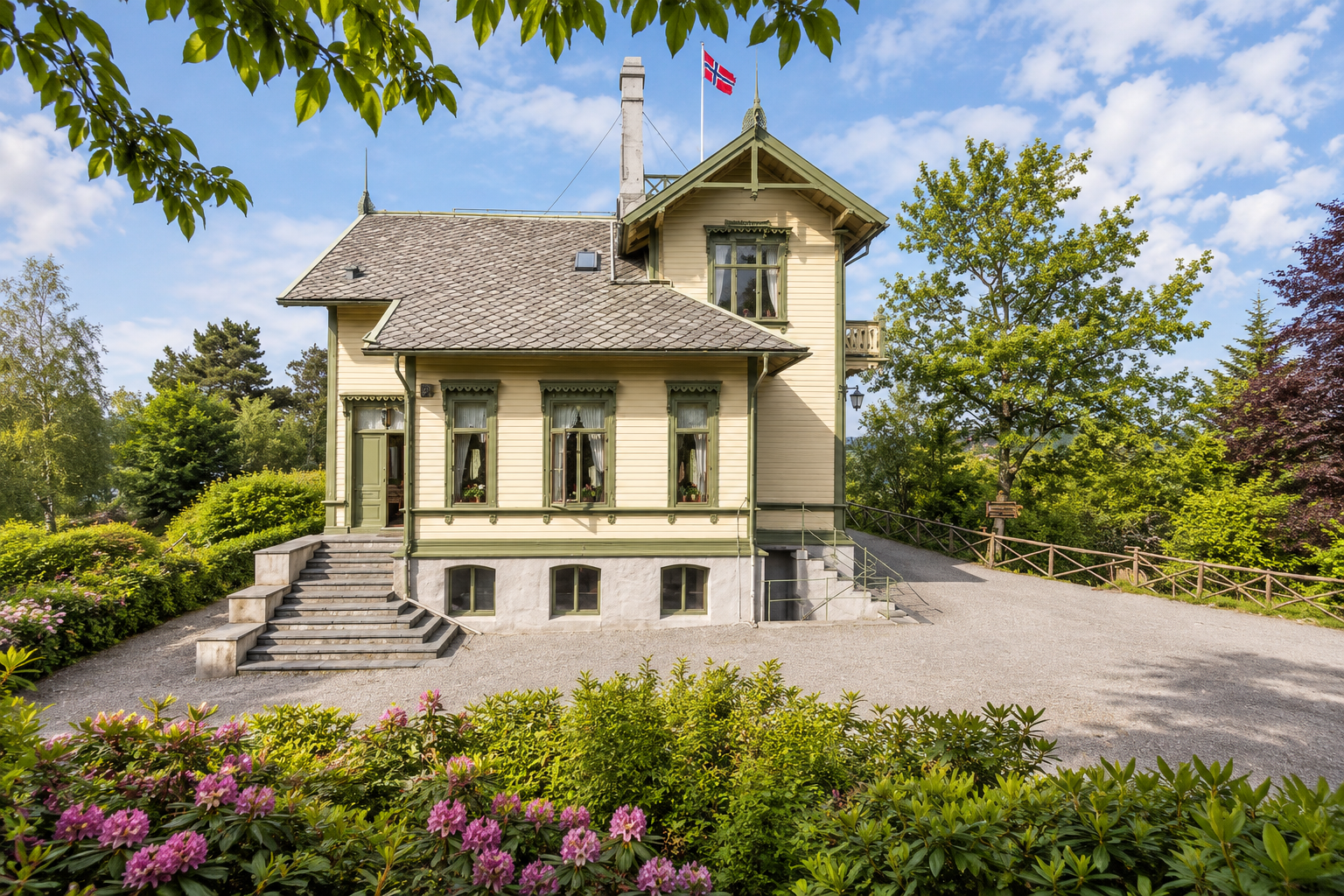
8. Visit Troldhaugen for Edvard Grieg
Troldhaugen is worth considering if music and cultural history are particular interests.
It lies outside the city centre, so give the visit a dedicated part of your day. Include transport and the final approach when comparing it with a central museum.
Check the programme before booking. A visit to the property and grounds is different from attending a scheduled concert, and ticket inclusions can vary.
Kode explains the options in its Troldhaugen visitor guide.
This is an optional addition for a longer stay. It does not need to compete with Bryggen and Fløyen during a single-day visit.
Best pairing: A three-day stay with room for a cultural outing.
9. Choose a Fjord Excursion That Matches Your Time
Bergen is a gateway to fjord country, but tours leaving the city vary substantially.
A shorter boat excursion and a full-day journey involving trains and buses are different experiences.
A Shorter Option: Mostraumen
A boat trip towards Osterfjord and Mostraumen can fit into a city stay without using the entire day.
Rødne currently describes its round trip as approximately 3–3.5 hours. Confirm the departure point, duration, and operating conditions for your booking. Mostraumen cruise information
Leave time around the sailing for boarding and getting to the harbour.
A Longer Option: Nærøyfjord and Flåm
A journey towards Flåm and Nærøyfjord requires more travel and closer attention to connections.
Reserve a full day, or consider an overnight stay if the area is an important part of your holiday. Check exactly what an organised package includes before comparing it with independently booked transport.
Use our Norway fjords guide to choose the landscape first.
If your onward itinerary already includes the Nærøyfjord cruise, you may prefer to spend your Bergen time in the city.
A Bergen Itinerary for 1–3 Days
The following plans group nearby sights and leave room for the weather to influence the order.
One Day in Bergen: Historic Centre and Fløyen
Morning: Explore Bryggen, including the accessible passages behind the waterfront buildings. Continue towards Bergenhus if history is a priority.
Lunch: Choose somewhere around the centre after comparing menus. The Fish Market is one option.
Afternoon: Visit Fløyen when conditions suit. Allow time for the viewpoint and a manageable walk.
Evening: Return to the harbour or explore some central streets before dinner.
If low cloud makes the mountain visit unappealing, choose Kode or a historic interior instead.
This assumes a full day. If arrival and departure take up several hours, concentrate on Bryggen, the harbour, and one additional activity.
Two Days in Bergen: Add Art and Neighbourhoods
Follow the central route on day one.
Day two morning: Visit Kode or return to the historic area for a museum you skipped.
Afternoon: Explore Nordnes and leave time for a relaxed meal or café stop.
If mountain scenery is your main interest and conditions are favourable, replace part of the day with Ulriken. Avoid adding it on top of an already full schedule.
This two-day Bergen itinerary gives you time to see more than the waterfront without repeatedly rushing between attractions.
Three Days in Bergen: Choose One Outing
Use the extra day for one main experience:
- A Mostraumen boat excursion.
- Troldhaugen, with enough time for travel.
- Ulriken and an appropriate outdoor plan.
- A full-day fjord journey if you are not already visiting the region afterwards.
A full-day trip to Flåm should replace the day’s city sightseeing. It is not a small addition between other bookings.
What to Do in Bergen When It Rains
Keep one indoor option available, but distinguish ordinary rain from conditions that make an outdoor plan unsuitable.
Useful alternatives include:
- Kode’s current exhibitions.
- An open historic interior at Bergenhus.
- A scheduled cultural visit.
- A shorter harbour walk with indoor breaks.
Do not assume that a mountain viewpoint will be worthwhile simply because the funicular or cable car is operating. Check cloud and visibility as well as rainfall.
A waterproof jacket and footwear suited to wet paving make ordinary city sightseeing more comfortable.
Getting Around Bergen
Walking
The historic centre is compact enough to group many sights on foot.
Allow for hills and uneven surfaces. A hotel that looks close on a map may still involve an uphill walk with luggage.
Public Transport
Skyss operates local public transport, including buses and the Bergen Light Rail.
Use its journey planner for the exact stop, ticket, and departure you need. Check the return journey for activities outside the centre.
Bergen Airport to the Centre
Light Rail line 1 connects Bergen Airport with the city centre. Check the current timetable and any service changes, particularly for early or late flights. Skyss airport transport information
Compare alternatives according to your hotel location, luggage, travel party, and arrival time. The fastest-looking service is not always the simplest door-to-door journey.
Do You Need a Car?
A rental car is unnecessary for most short Bergen city breaks.
If you are continuing on a road trip, consider collecting it when you leave the city. Include parking and collection arrangements in the comparison.
Is the Bergen Card Worth It?
The Bergen Card offers public transport benefits and a mixture of free entry and discounts at participating attractions.
It is most useful when those benefits match your actual plans. It is less compelling for a visit focused on free walks and one paid activity.
Before buying:
- Choose the attractions you intend to visit.
- Check their ordinary ticket prices.
- Confirm the card benefit for your dates.
- Add the transport you expect to use.
- Compare the combined saving with the card price.
Do not assume that every attraction is free with the card. For Fløibanen, check the current seasonal conditions and designated booking process. Official Bergen Card information, Fløibanen card instructions
A pass should support the itinerary you want, rather than encourage extra visits simply to justify the purchase.
Where to Stay in Bergen
For a short first visit, location can make the day much easier.
Near Bryggen or the harbour: convenient for the historic waterfront and sightseeing, but compare access with luggage and any potential evening noise.
Around the railway station and central transport stops: practical when arriving by train or continuing towards another destination.
On the central side of Nordnes: worth considering if you prefer neighbourhood streets while staying within reach of the harbour.
Check the actual walking route, breakfast arrangements, and cancellation terms before booking.
For accommodation allowances and other expenses, see our Norway trip cost guide.
Free Things to See in Bergen
You can build a substantial part of your visit around public spaces:
- Bryggen’s waterfront and accessible passages.
- Harbour walks.
- Nordnes streets and outdoor areas.
- Lille Lungegårdsvannet and the surrounding centre.
- Historic streets behind the main waterfront.
Museums, transport rides, and organised activities have separate charges.
Walking to a mountain viewpoint may avoid a transport ticket, but it still requires suitable conditions, time, and physical ability.
When to Visit Bergen
For a first trip combining city sightseeing and fjord excursions, summer provides a practical range of options and long daylight hours.
Late spring and early autumn can also work well when your selected activities operate. Winter suits a different balance, with shorter outdoor plans and more emphasis on available indoor attractions.
Rain is possible throughout the year. Build flexibility into your Bergen stay instead of expecting one season to remove the weather risk.
Our best time to visit Norway guide compares the seasons and regional differences.
How Bergen Fits into a Wider Norway Trip
Bergen can be a standalone city break or one stop in a longer journey.
For a first route, Oslo, Flåm, and Bergen combine naturally when the transport connections fit your dates. An overnight stay in the fjord area gives a different experience from returning to Bergen after every excursion.
Our Norway itinerary includes seven-, ten-, and fourteen-day options, with overnight bases and transport considerations.
Choose your onward journey before filling every Bergen day with tours. Some of the scenery you want may already be included later in the trip.