Prices differ considerably by city, facility and service. Check the official website shortly before visiting rather than relying on an old blog or social media post.
What Is a Jjimjilbang? Inside a Korean Spa
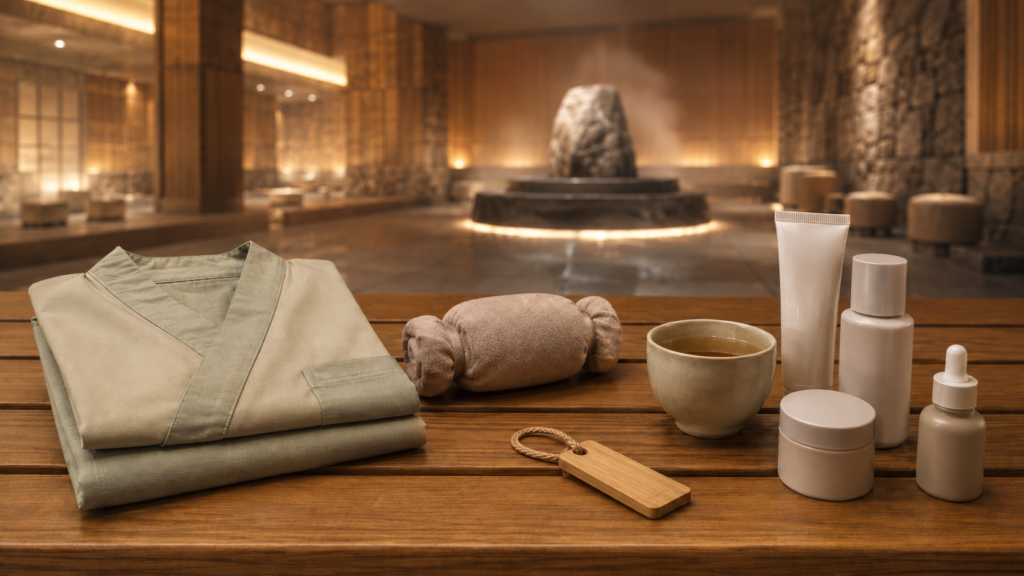
A jjimjilbang is a Korean bathhouse and sauna complex. Facilities vary, but a larger jjimjilbang may include gender-separated bathing areas, shared heated rooms, cold rooms, rest areas, snack counters and additional services.
The basic experience usually has two parts:
- A gender-separated bathing area where visitors wash and use the pools without clothing.
- A shared jjimjil area where visitors wear the shorts and T-shirt provided by the facility.
Not every establishment follows exactly the same layout. Some small bathhouses offer little beyond showers, pools and saunas, while large modern complexes may resemble indoor wellness centres.
The official Korea Tourism Organization also presents jjimjilbangs as social spaces where visitors may eat, rest and spend time between sauna rooms, rather than simply taking a quick bath. See the VISITKOREA jjimjilbang guide for current examples.
What to Expect on Your First Jjimjilbang Visit
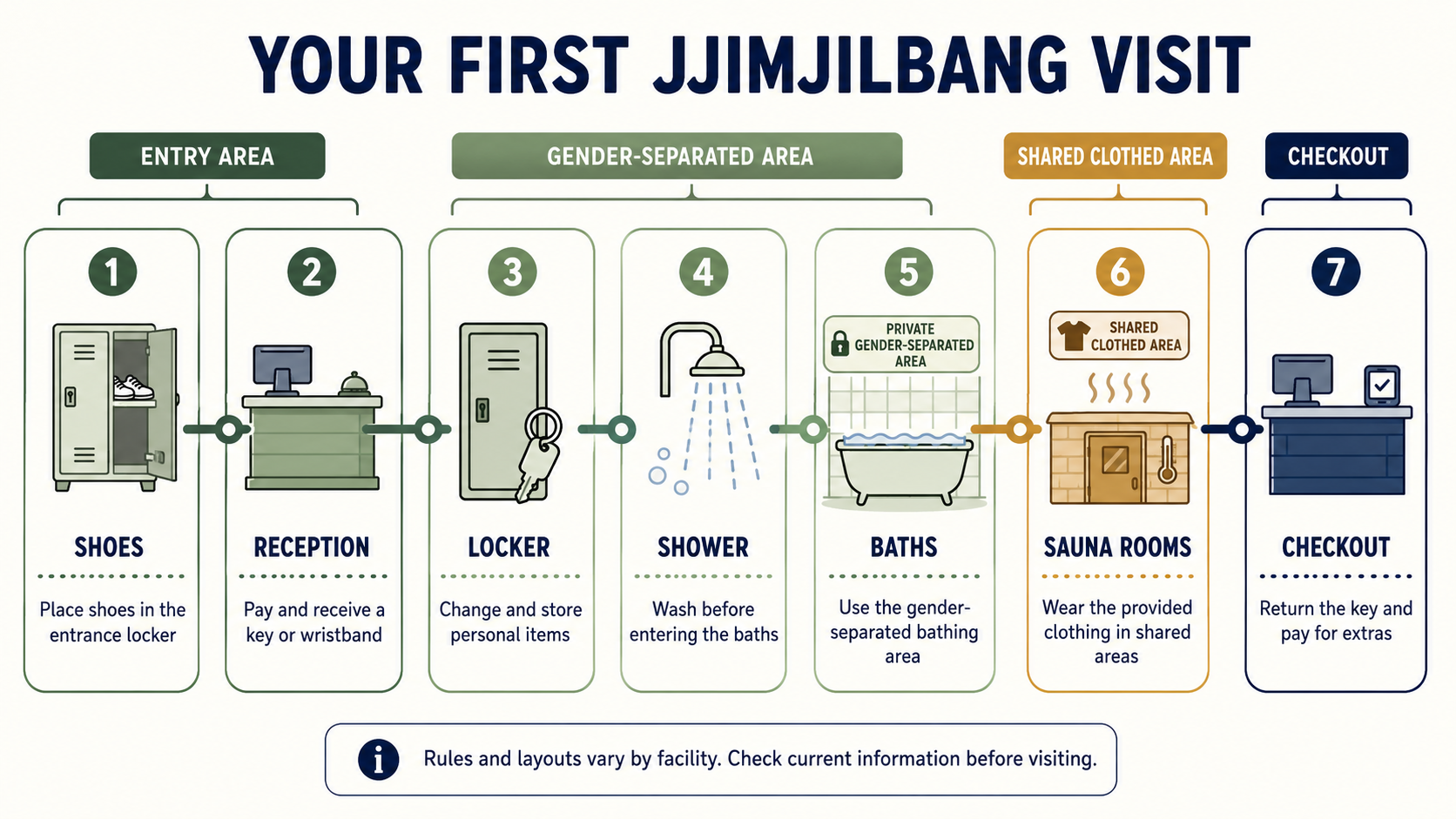
Procedures vary, but a visit generally follows this sequence.
1. Leave Your Shoes at the Entrance
Many facilities have separate shoe lockers near reception. Keep the locker key or electronic wristband, as it may also be used for your changing-room locker and purchases inside.
2. Pay and Receive Clothing
Admission normally includes a locker and clothing for the shared jjimjil area. Towels may be included or provided separately.
Ask at reception about:
- the time limit;
- overtime charges;
- towel availability;
- access to pools or special zones;
- rules for children;
- additional charges for scrubs or massages.
3. Enter the Correct Changing Area
Bathing and changing areas are normally separated by gender. Policies for young children accompanying a parent differ by facility, so families should check the current rules before arrival.
4. Wash Before Entering a Pool
Showering before using a shared bath is an essential part of bathhouse etiquette. Soap and shampoo may be available, but it is safer to bring small toiletries unless the facility confirms what is provided.
5. Use the Baths and Saunas at Your Own Pace
Do not treat the hottest room as a challenge. Leave immediately if you feel dizzy, weak or uncomfortable, drink water and avoid combining extreme heat with alcohol.
Travellers with a medical condition, pregnancy or concerns about heat exposure should seek individual medical advice before using hot rooms or pools.
6. Put On the Provided Clothing
The shared heated rooms, food areas and relaxation spaces are generally used in the clothing supplied by the facility. This is the part of the experience where friends or couples can usually meet after using separate bathing areas.
7. Check Out and Pay for Extras
Food, drinks, massages and body scrubs may be charged to an electronic wristband. Review the amount at checkout and return any keys or clothing as instructed.
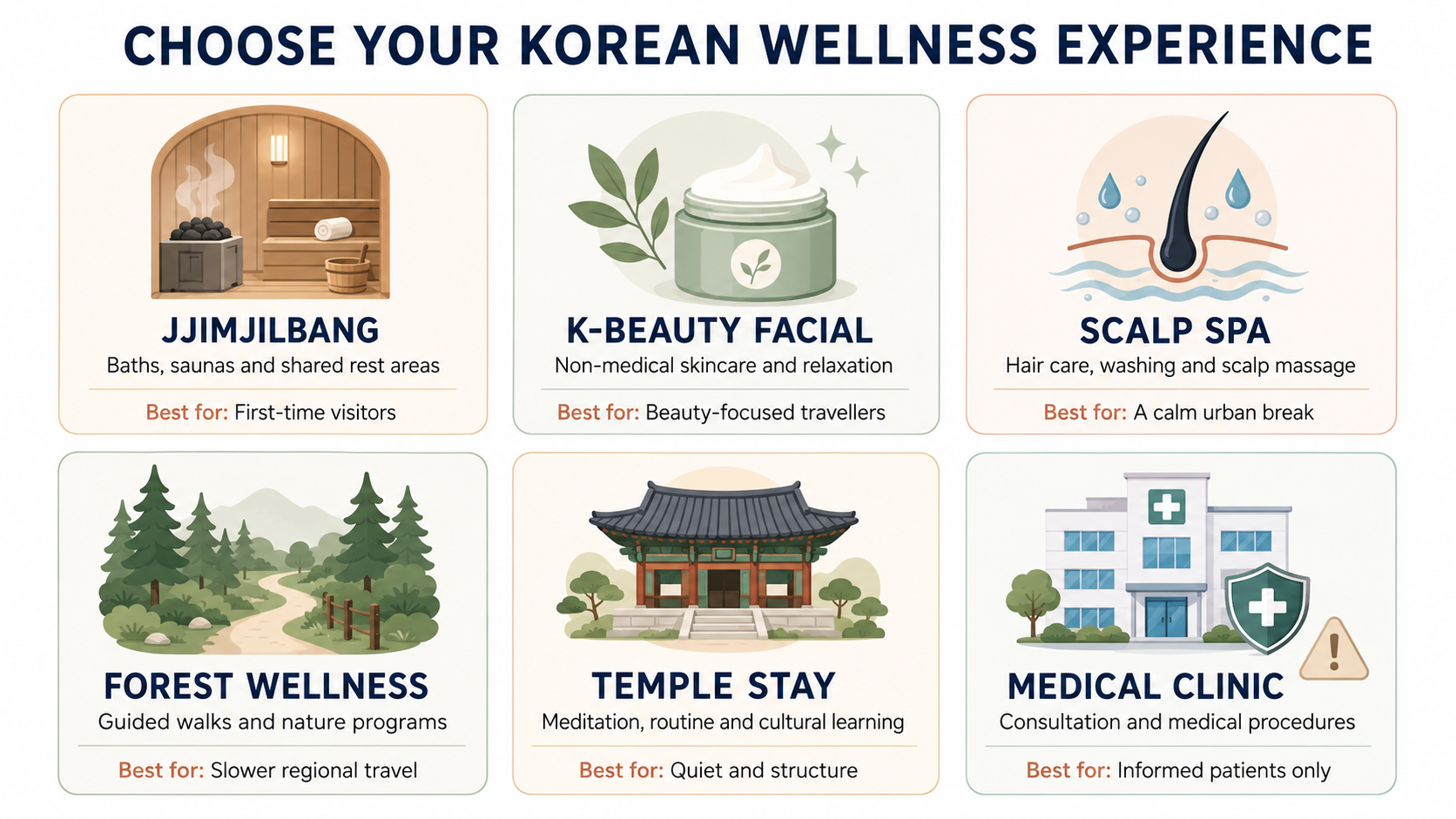
Seoul Beauty Treatments: Facials, Scalp Spas and K-Beauty
Seoul beauty treatments range from non-medical facials and scalp care to services provided by licensed dermatology clinics. This section covers non-medical spa and beauty experiences; for injections, lasers and other clinical procedures, see “Considering a Skin Clinic in South Korea?” below.
K-beauty tourism is not limited to buying sheet masks. Visitors may encounter brand flagship stores, cosmetic facials, scalp spas, colour consultations, makeup services and dermatology clinics.
The most important distinction is whether the service is cosmetic or medical.
Non-Medical Beauty Services
A salon or spa may provide:
- cleansing;
- cosmetic masks;
- facial massage;
- scalp washing and massage;
- hair treatments;
- makeup;
- general skin or scalp imaging.
Before booking, ask:
- Is the treatment non-medical?
- Which products will be used?
- Can ingredients be checked in advance?
- Is the service available in English?
- What happens if irritation occurs?
- Are taxes and optional products included?
- What is the cancellation policy?
Do not assume that a machine-based service is non-medical simply because it is advertised as a facial. If a treatment involves injections, prescription products, skin penetration, lasers or other medical devices, it should be evaluated as medical care.
For cosmetics, neighbourhoods and approximate retail prices, use the separate Seoul Shopping Guide. Keeping product shopping on that page prevents this guide from becoming another general K-beauty shopping article.
Korean Skincare Without the “Ten-Step” Myth
There is no reason for every traveller to purchase ten products or copy a complicated routine.
A simpler approach is more practical:
- Identify your skin type and current concerns.
- Avoid introducing several unfamiliar active ingredients simultaneously.
- Compare ingredient lists rather than relying on packaging or celebrity promotion.
- Test unfamiliar products cautiously.
- Use sun protection appropriate for your skin and destination.
- Keep receipts and sealed packaging until you are certain you will keep the product.
Travellers with allergies, eczema, acne requiring treatment or another skin condition should seek advice from a qualified healthcare professional rather than asking a retailer to diagnose the problem.
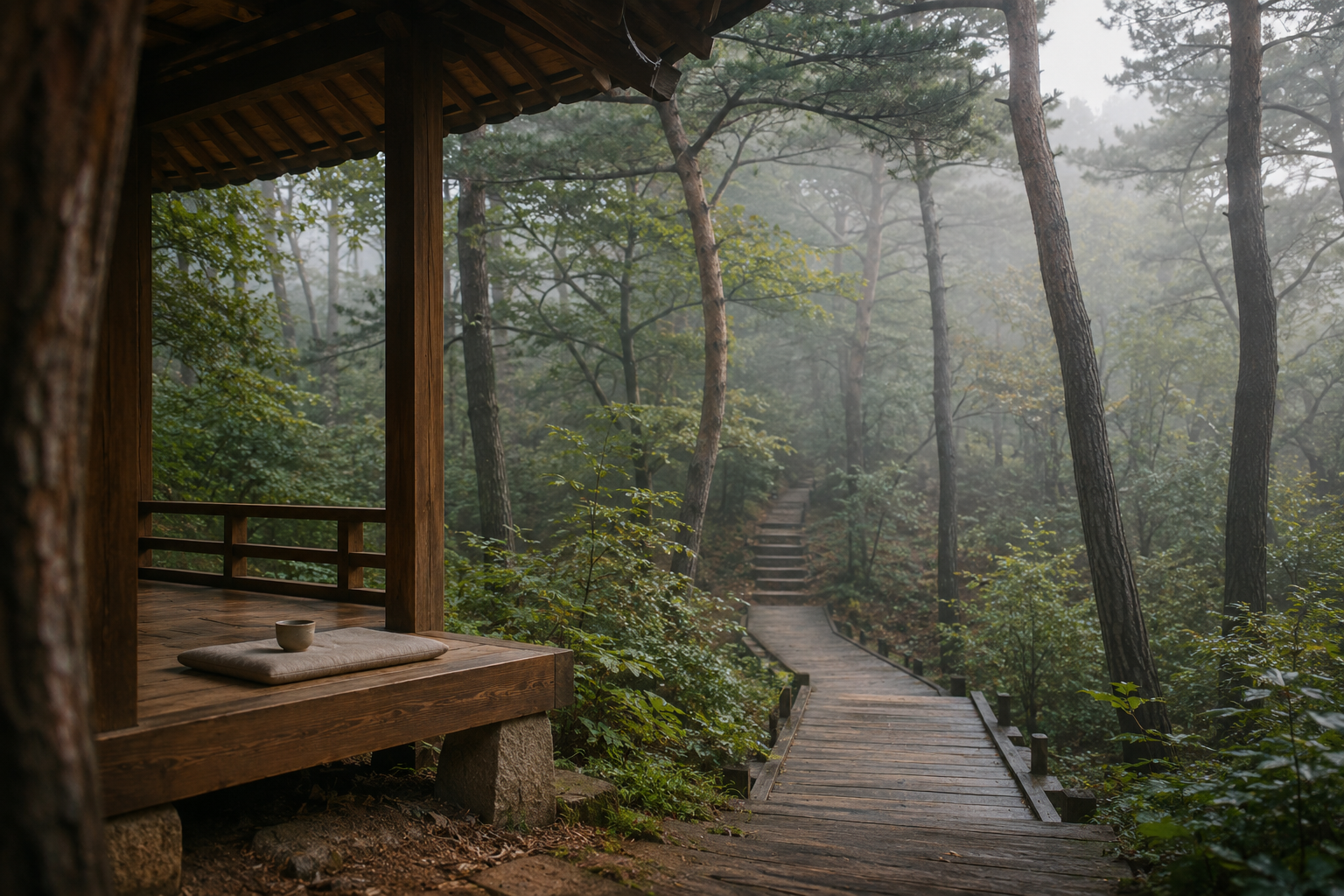
Wellness Beyond Seoul: Forests, Hot Springs and Retreats
South Korea’s wellness options extend beyond its beauty stores and urban bathhouses. Forest centres, hot-spring complexes and regional retreats offer a quieter alternative.
National Center for Forest Therapy
The National Center for Forest Therapy is located around the Baekdudaegan mountain range in Yeongju and Yecheon. It offers forest-based programs and accommodation for short and longer stays.
This is better suited to travellers who want a structured nature program than to visitors looking for a quick stop between Seoul attractions. Program availability, language support and transport should be confirmed before booking.
See the official VISITKOREA profile.
Gochang Wellparkcity
Gochang Wellparkcity combines hot-spring facilities, accommodation and organised wellness services. The complex expanded with a new hotel in 2025, making it more suitable for an overnight regional stay.
It requires more planning than an urban jjimjilbang, but it may work well in a longer itinerary through southwestern Korea. Current information is available from the Korea Tourism Organization’s Gochang profile.
Hot-Spring Facilities
Hot-spring complexes such as Paradise Spa DOGO and Deokgu Spaworld combine bathing with resort or leisure facilities. They should not be confused with quiet private spas: some are large, family-oriented destinations.
Before making a special journey, confirm:
- whether the pools are indoor or outdoor;
- whether swimwear is required;
- age restrictions;
- maintenance closures;
- public-transport access;
- reservation requirements;
- which facilities are included in the ticket.
Temple Stays as a Different Kind of Wellness
A temple stay may involve meditation, chanting, communal meals, walking, early mornings and Buddhist etiquette. It can provide quiet and structure, but it should not be marketed as a spa treatment or guaranteed emotional transformation.
Programs differ by temple. Some focus on cultural activities, while others follow a more demanding daily schedule. English support and sleeping arrangements also vary.
Use the official Templestay booking platform to check actual programs and availability. For a fuller explanation of routines and expectations, continue to the Temple Stay in South Korea Guide.
Traditional Korean Medicine: Cultural Context and Safety
Traditional Korean medicine, commonly associated with the term hanbang, may include herbal preparations, acupuncture, moxibustion and other practices.
For travellers, there is an important difference between:
- visiting a cultural exhibition or educational centre;
- purchasing ordinary tea or cosmetic products;
- receiving diagnosis, herbal prescriptions or treatment.
The third category is healthcare. It should be handled by a properly qualified provider after discussing medical history, medications, allergies and possible interactions.
Do not assume that a product is harmless because it is described as natural or traditional. This article does not evaluate the effectiveness of individual treatments.
Considering a Skin Clinic in South Korea?
Dermatology, injections, prescription skincare, lasers, skin boosters and cosmetic surgery belong in the medical category. Their popularity does not make them equivalent to a salon facial.
Before agreeing to any procedure:
- verify that the institution is registered;
- identify the doctor responsible for treatment;
- confirm the exact procedure, product and device;
- request the total price in writing;
- ask about contraindications and expected recovery;
- disclose medications, allergies and previous procedures;
- confirm what aftercare is provided;
- ask whom to contact after leaving Korea;
- understand what happens if complications occur;
- do not rely only on an influencer, broker or social-media advertisement.
Medical Korea provides a searchable list of registered hospitals and clinics. It also operates an accreditation program for institutions serving international patients.
Registered institutions working with foreign patients are subject to specific requirements, including medical malpractice liability insurance. Registration does not guarantee that a particular treatment is suitable for you, but it is a basic verification step. Read the Medical Korea registration guidance.