
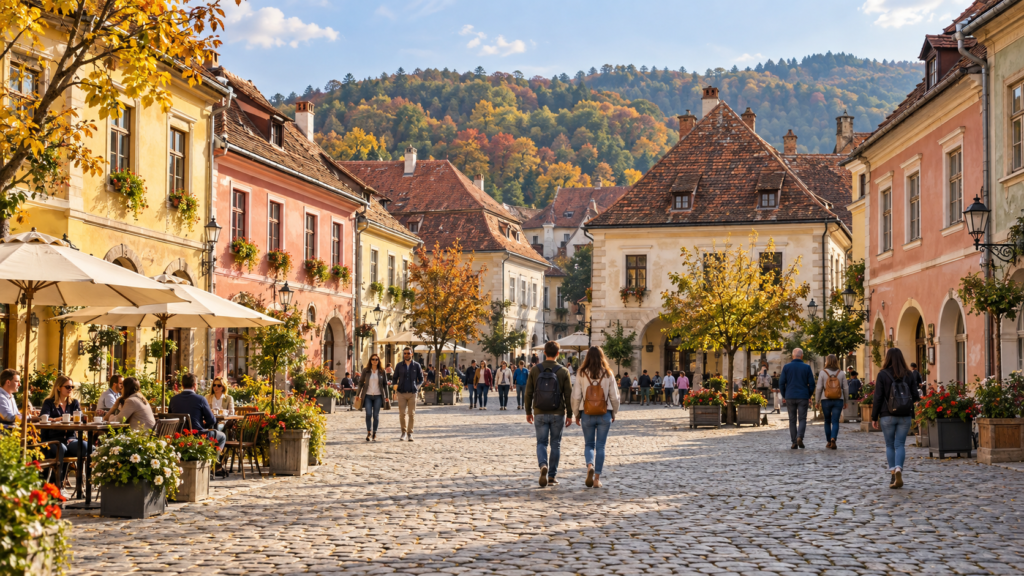
1. Explore Bucharest Beyond the Old Town
Bucharest is a useful starting point, but it deserves more than an arrival night. Plan a mix of major landmarks, neighbourhood walks and time in a museum or park.
The Palace of Parliament, the Romanian Athenaeum and Calea Victoriei show different sides of the city. The Old Town is convenient for an initial walk, but staying there for your entire visit gives a narrow impression of the capital.
A practical approach is to spread your sightseeing across two days rather than trying to combine every major attraction before an afternoon departure. Check the official Parliament visitor information before planning an interior visit: access involves specific booking and identification requirements.
For a more detailed selection, including how to group nearby stops, see our guide to things to do in Bucharest.
Planning tip: Keep arrival day flexible. A delayed flight or airport transfer should not cost you a tightly scheduled attraction booking.
2. Use Brașov as a Base for Southern Transylvania
Brașov combines a compact historic centre with access to some of Romania’s best-known castle and mountain excursions.
Start around Council Square, explore the streets near the Black Church and leave time to walk away from the busiest central blocks. The city works particularly well for visitors who want urban sightseeing without spending their entire trip in a large capital. The Brașov destination guide provides background on its principal landmarks.
Allow at least a day for Brașov itself. If you also want to visit Bran, explore the mountains or take a countryside excursion, add nights rather than treating all of these as part of one city day.
Planning tip: Brașov is a base, not a shortcut around travel time. Check where an excursion actually starts and how you will return before booking accommodation around it.
3. Choose the Right Castle: Peleș, Bran or Corvin
Romania’s famous castles offer different experiences. Choosing one that fits your interests and route is more useful than collecting all three.
- Peleș Castle, Sinaia: a strong choice for royal interiors and decorative detail. Check the available visit options and opening days on the Peleș National Museum website.
- Bran Castle, near Brașov: suited to visitors interested in its dramatic setting and the wider Dracula tourism story. Separate the literary association from documented history, and check ticket options through the official Bran Castle website.
- Corvin Castle, Hunedoara: a good fit for visitors drawn to towers, courtyards and Gothic architecture. Its location makes it more practical on a western Transylvania route than as an extra stop from Brașov. Consult the official visitor information.
Do not plan these as three neighbouring attractions. Our Romania castles guide compares them in more detail and explains which combinations make sense.
Planning tip: Check the specific interior ticket you want before booking transport. “Visiting the castle” does not always mean access to every room or exhibition.
For the stories behind the Dracula association, explore our guide to Transylvania’s myths and legends.
4. Slow Down in Sibiu’s Historic Centre
Sibiu is a good place to give your trip a less hurried rhythm. Its appeal lies in the relationship between streets, squares and historic buildings, rather than one attraction that needs to dominate the day.
Walk through the Large Square and Small Square, cross the Bridge of Lies and explore the connections between the Upper and Lower Town. The Sibiu tourism website lists the main historic sights.
One day allows a worthwhile introduction. Two days give you more room for a museum, longer meals and a nearby excursion without turning the city into a checklist.
Planning tip: An overnight stay is especially useful if you enjoy quieter morning walks. Avoid allocating Sibiu only the time left between a long drive and your next departure.
For a broader cultural perspective on museums, religious painting and rural craft, read our guide to Romanian art and culture.
5. Walk Through Sighișoara’s Medieval Citadel
Sighișoara is smaller than Sibiu or Brașov, which makes it easier to explore on foot—but not necessarily better as a hurried roadside stop.
Its historic centre is a UNESCO World Heritage Site, recognised for its preserved medieval urban character. The citadel’s streets, towers and changes in level are central to the experience. See UNESCO’s description of Sighișoara for historical context.
Allow half a day for an introductory walk, or stay overnight if you want a slower visit. Comfortable shoes are useful on the uneven surfaces and uphill sections.
Planning tip: Do not build the whole visit around Dracula-related marketing. The historic town remains worthwhile even if that theme is not your main interest.
6. Visit Saxon Villages and Fortified Churches
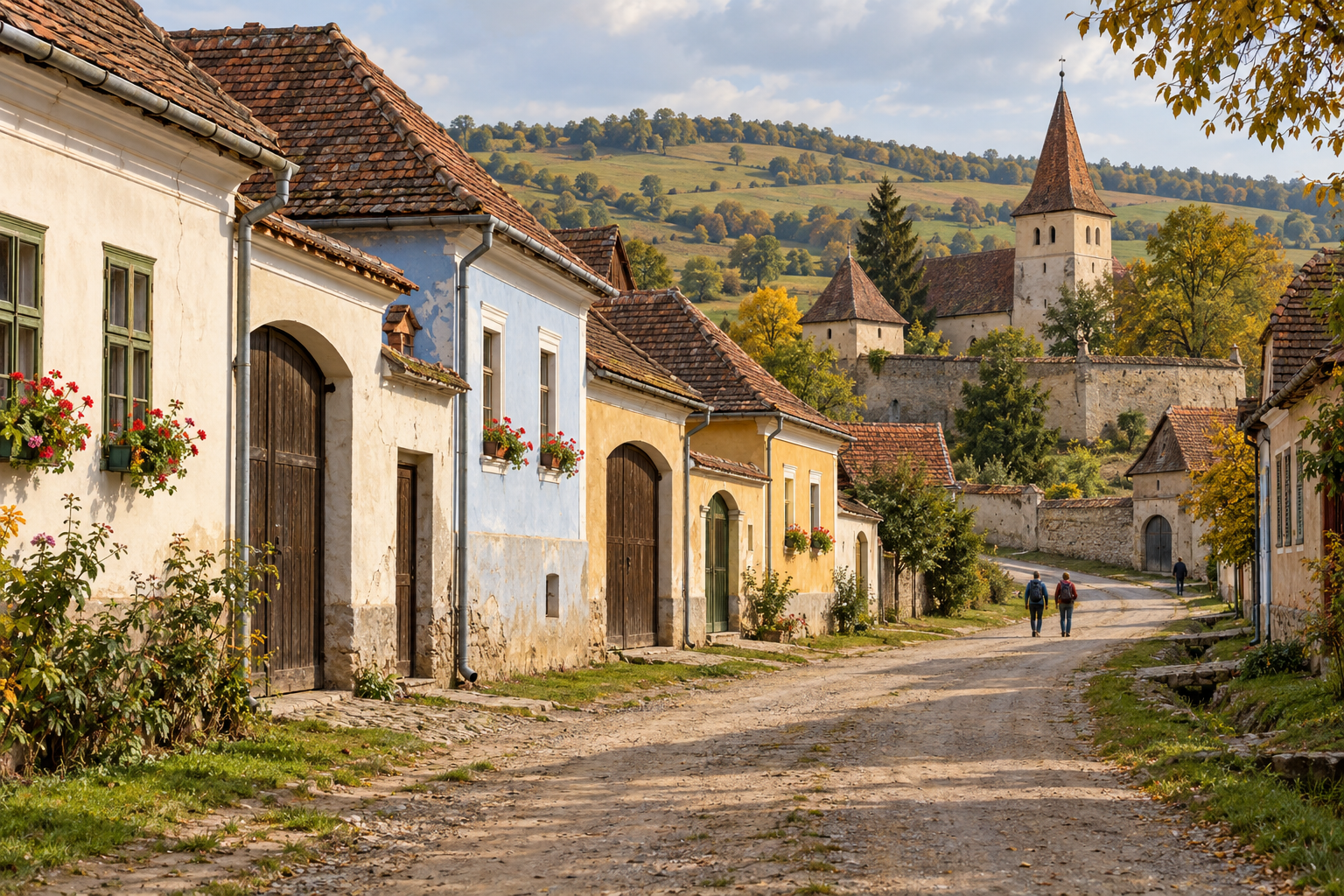
A village visit adds something that Romania’s cities and castles cannot: a closer look at rural settlement patterns and the role of fortified churches in community life.
Biertan and Viscri are among the places associated with the UNESCO-listed Villages with Fortified Churches in Transylvania. Choose a small number of stops so you have time to walk, visit the church when accessible and notice the village beyond its best-known landmark.
These visits need more logistical attention than a walk around a city centre. Confirm opening arrangements and your return transport, particularly outside busy visitor periods.
Our guide to traditional Romanian villages offers additional ideas for exploring rural Romania.
Planning tip: These are lived-in communities. Respect private property, ask before photographing people and avoid treating residential courtyards as visitor attractions.
7. Spend a Day in the Carpathian Mountains
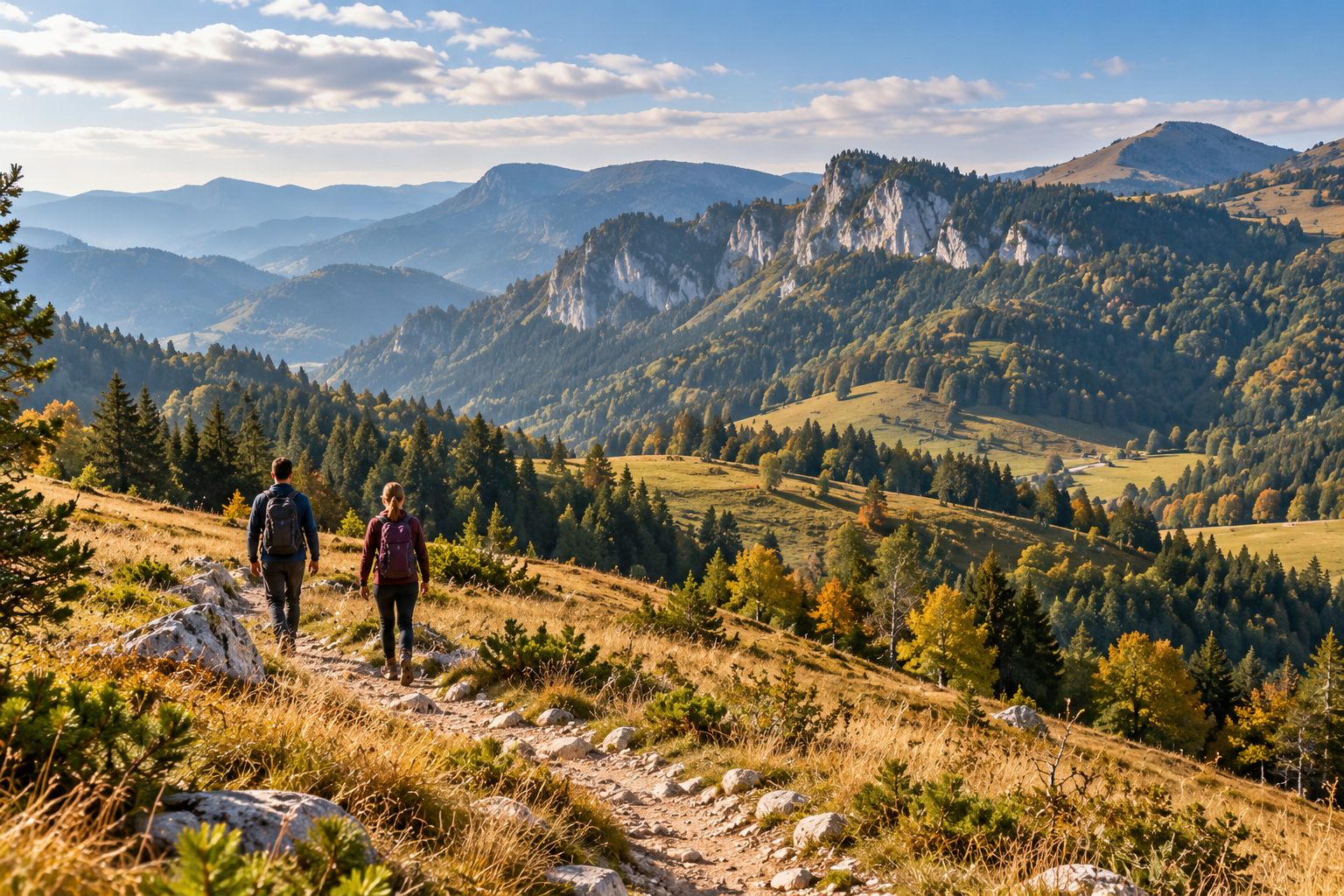
The Carpathians can mean an accessible countryside walk, a forest trail or a demanding mountain route. Those are not interchangeable experiences.
Choose your mountain area and trail around your fitness, equipment, available daylight and the forecast. Do not select a route solely because its summit photograph looks impressive.
Piatra Craiului is one option for a nature-focused extension to a southern Transylvania trip. Its official online park ticket is currently 10 RON per person for seven days; check the park’s ticket page for current conditions and exemptions.
For help choosing between mountain areas, read our Carpathian Mountains Romania guide. Before hiking, consult local conditions and Salvamont’s mountain-safety recommendations.
Planning tip: Keep a lower-altitude alternative available. A poor forecast is a reason to change the outing, not to squeeze the same route into a shorter weather window.
8. Drive the Transfăgărășan When Conditions Allow
The Transfăgărășan is a scenic mountain-road experience, not simply a faster way between destinations.
Its appeal is the changing landscape and the high mountain section around Bâlea Lake. Plan time for the drive itself, appropriate stopping places and weather-related delays.
The higher section is seasonal, and access depends on conditions. Do not assume that a road shown on your navigation app is open throughout the year. Check Transfăgărășan access information and current road-authority notices before departure.
Planning tip: Include it only if it fits your route and travel dates. You can have an excellent Romania trip without this road, especially outside the high-section driving season.
Never stop to feed or approach roadside bears. Wildlife encounters are not a reason to leave the vehicle or create a traffic obstruction.
9. Combine Cluj-Napoca with Salina Turda
Cluj-Napoca offers a different city base in Transylvania, with central squares, cultural venues and places to spend an unhurried afternoon. The Cluj-Napoca destination guide is a useful starting point for choosing city sights.
Salina Turda makes a separate excursion rather than a quick stop in central Cluj. Allow time for the journey, entry and exploring the underground spaces.
The official adult entry price is currently 75 RON Monday–Friday and 90 RON on weekends and public holidays. Some activities inside cost extra. Check the Salina Turda visitor and tariff page before travelling.
Planning tip: Keep a layer handy for the underground visit, even during warm weather. Check access information in advance if stairs, lifts or mobility constraints could affect your experience.
10. Explore Maramureș at a Rural Pace
Maramureș is best treated as a region to explore, not a single attraction to tick off between distant cities.
Its wooden churches are an important part of that visit. Eight churches form the UNESCO-listed Wooden Churches of Maramureș, recognised for their distinctive timber architecture.
Build your stay around a manageable selection of churches and villages, with time between stops. Two or three days is a more useful starting allowance than a rushed detour from central Transylvania.
Planning tip: Check the exact church name when researching UNESCO sites. A famous monastery complex and a separately listed historic wooden church are not necessarily the same attraction.
A car or an organised local excursion can simplify a rural itinerary, but neither removes the need to check opening arrangements.
11. See Bucovina’s Painted Monasteries
Bucovina’s painted monasteries offer a different kind of architectural visit: the exterior paintings are a major part of what you come to see.
The UNESCO-listed Churches of Moldavia provide the historical framework for this experience. Rather than racing through a long list, choose a small group and allow time to examine the paintings and understand their themes.
This is a separate regional extension, not a casual addition to a busy Bucharest–Brașov weekend.
For background before your visit, see our article on the painted monasteries of Bucovina.
Planning tip: These are religious sites as well as visitor attractions. Follow local guidance on clothing, photography and access during services.
12. Take a Boat Trip into the Danube Delta
The Danube Delta changes the pace of a Romania trip. The focus shifts from buildings and roads to waterways, wetland habitats and time spent observing rather than moving between landmarks.
UNESCO recognises the Danube Delta for its natural importance. Choose your accommodation base and boat arrangements together: where you stay affects the transfers and excursions available.
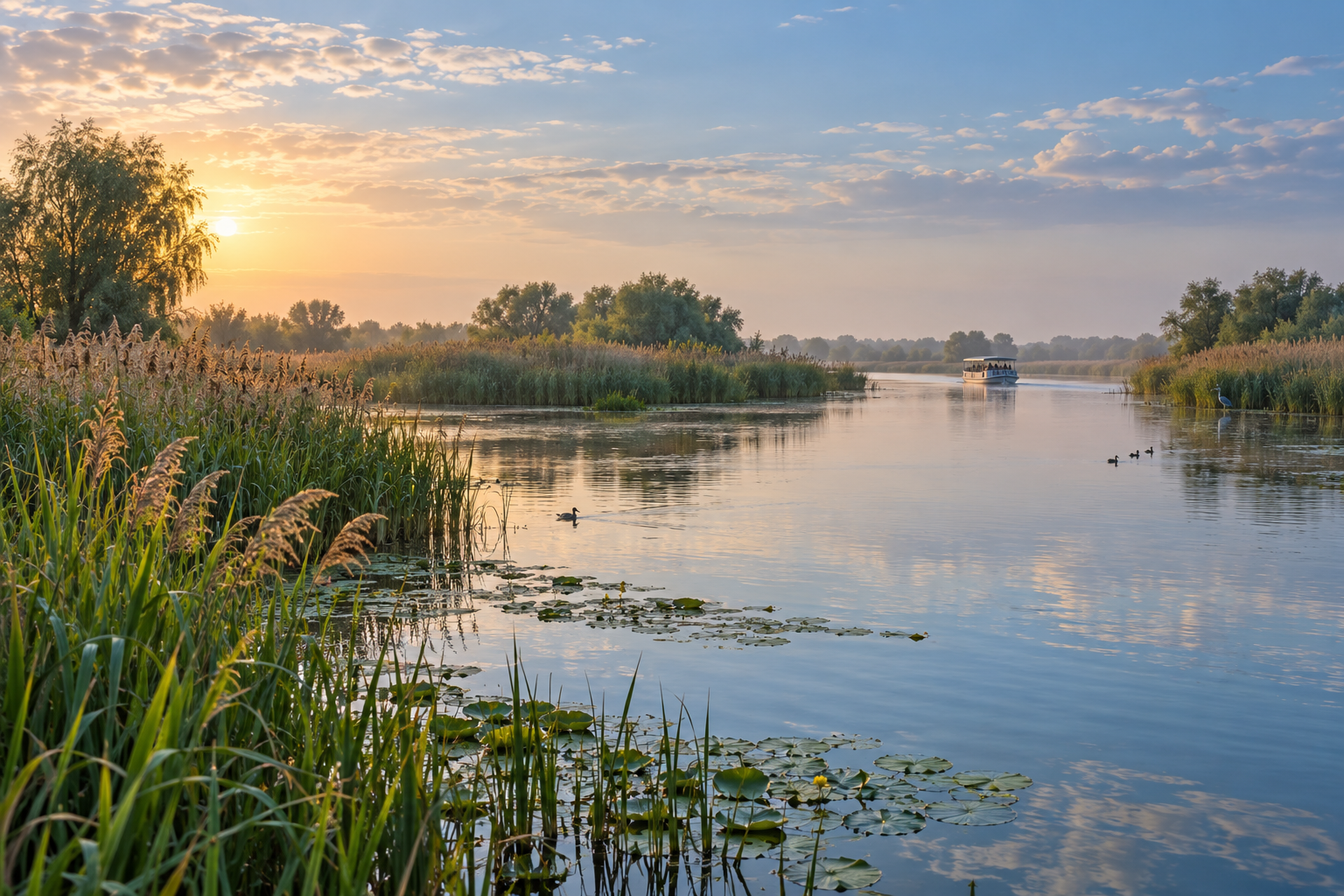
Allowing two or three nights generally creates more flexibility than attempting a brief visit around a long overland journey.
The official visitor permit currently costs 5 RON for one day, 15 RON for seven days, or 30 RON through the end of the calendar year. Exemptions apply. These are permit prices—not boat-tour or accommodation costs. Check the reserve’s official permit platform.
Planning tip: Ask an operator what is included, how long the outing lasts and how wildlife disturbance is avoided. For further background, explore our Romanian wildlife guide.
13. Add Timișoara to a Western Romania Trip
Timișoara is a worthwhile option for visitors interested in urban architecture, public squares and cultural venues.
A central walk can connect Victory Square, Liberty Square and Union Square, with time for the streets between them. The regional tourism board’s central Timișoara route provides a useful introduction.
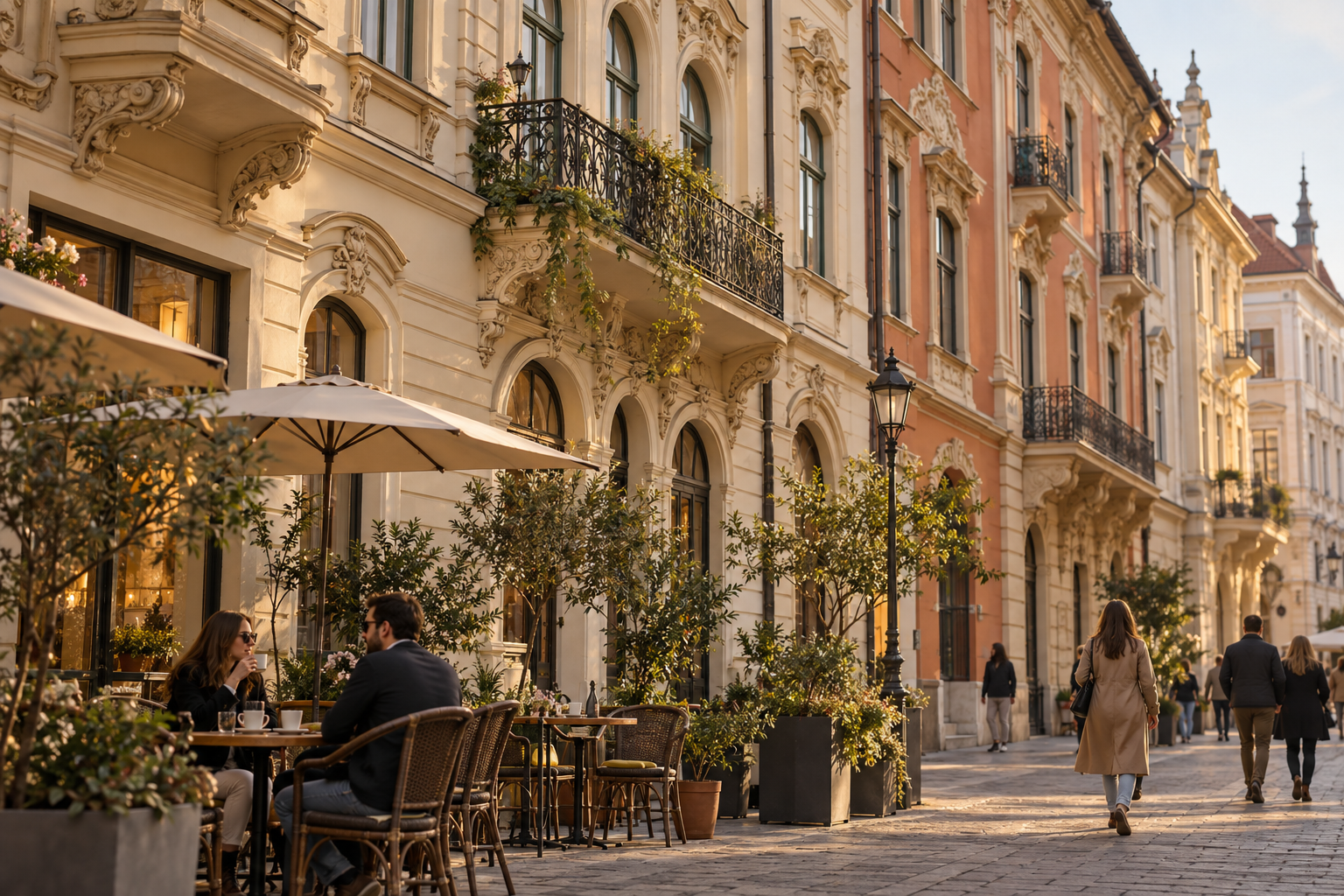
Allow one or two days depending on your interest in museums, events and slower city exploration.
Planning tip: Timișoara makes more geographical sense on a western route or as an arrival or departure point than as a last-minute excursion from Bucharest. Choose it because it fits your trip, not because a national highlights list makes every city seem equally close.
14. Visit Constanța and Decide Whether You Want Beach Time
Constanța and a Black Sea resort stay serve different purposes.
For a city visit, focus on the historic area, waterfront and local cultural sights. A beach holiday requires additional time and more attention to the season, accommodation location and the type of resort atmosphere you want. The Constanța destination guide gives an overview of the city and its surroundings.
Do not automatically add several coastal nights if your main interests are castles and mountain walks. Conversely, if you want a relaxed summer trip, combining a shorter sightseeing route with the coast may suit you better than adding more inland cities.
Planning tip: Separate “seeing the sea” from “having a beach holiday” when allocating days.
15. Try Romanian Food Throughout the Journey
Food is one of the easiest experiences to weave into every part of your route.
Look for dishes such as sarmale, mici, different kinds of ciorbă, and papanași. Ciorbă is a category of sour soups rather than one fixed recipe, so ingredients vary between versions.
Instead of ordering the same selection every evening, compare a restaurant meal with a bakery stop, a simple lunch or a regional speciality. Ask what comes with a main dish before adding sides, and check the menu price rather than assuming every traditional restaurant is inexpensive.
Our traditional Romanian food guide explains what to try, how dishes differ and what to consider when ordering.
If wine interests you, our introduction to Romanian wineries offers ideas for further research. Arrange tastings and transport in advance.
How to Choose Things to Do in Romania Without Rushing
The most useful Romania itinerary is selective. Start with a core region, then decide whether you have time for an extension.
For a First Week: Bucharest and Southern Transylvania
A manageable starting combination is Bucharest, Sinaia and Brașov, with time for a castle visit and either a mountain outing or a slower city day.
Sibiu can be an additional stop if your transport connections and departure point make sense, but it should not come at the expense of turning every day into a transfer.
For a day-by-day route with overnight bases, see our Romania road trip itinerary and its shorter seven-day option.
With More Time: Extend Through Transylvania
For a longer visit, consider Sibiu and Sighișoara, then decide whether Cluj-Napoca or a western stop fits your onward journey.
You do not need to add both a northern rural circuit and the coast simply because you have a few extra days.
For a More Specialised Trip: Choose One Regional Extension
- Maramureș: wooden churches and rural landscapes.
- Bucovina: painted monasteries and religious heritage.
- Danube Delta: wetlands, boat outings and wildlife observation.
- Black Sea coast: coastal sightseeing and beach time.
- Western Romania: Timișoara and a route that can incorporate Hunedoara.
These are alternative directions, not a list of compulsory additions.
Practical Tips for Visiting Romania
Before departure, compare Romania eSIM options with your existing roaming allowance so you can use maps and contact accommodation on arrival.
Choose the Season for Your Main Activity
City sightseeing, high-mountain hiking and beach holidays do not share one ideal season.
Spring and autumn can suit a city-focused trip, while high mountain routes require a more specific check of snow, weather and access. For the Transfăgărășan, verify the road rather than relying on a general seasonal description.
Keep an indoor or lower-altitude alternative for weather-sensitive days.
Our guide to the best time to visit Romania compares the seasons by destination and activity.
Decide Where a Car Actually Helps
A car can be useful for dispersed villages, rural monasteries and scenic-road travel. It is not automatically an advantage for every day spent in Bucharest or another city centre.
For a trip without a car, start by checking the connections between your main bases. Use the official CFR Călători website for railway information, then investigate the separate local connection to each attraction.
Do not assume that reaching the nearest city also solves the final journey to a castle, trailhead or village.
Book the Visits That Shape Your Schedule
Prioritise arrangements that are difficult to improvise:
- Attractions with specific booking or identification requirements.
- The castle interior ticket you actually want.
- Danube Delta accommodation and boat transfers.
- Rural excursions where public transport is limited.
- Accommodation for fixed-date events or busy travel periods.
Leave ordinary city walks flexible so the trip can absorb delays.
Treat Prices as Specific Examples
The prices quoted in this guide were checked in October 2026. They refer to particular tickets or permits, not the total cost of visiting a region.
Transport, parking, guided activities and accommodation may be additional. Recheck the linked official pages before booking.